India Yamaha Motor (IYM) has kicked off its electric two-wheeler journey in India with a modest start. The company dispatched 92 units of its first EV model, the EC-06 electric scooter, in February 2026—marking its debut month on sale.
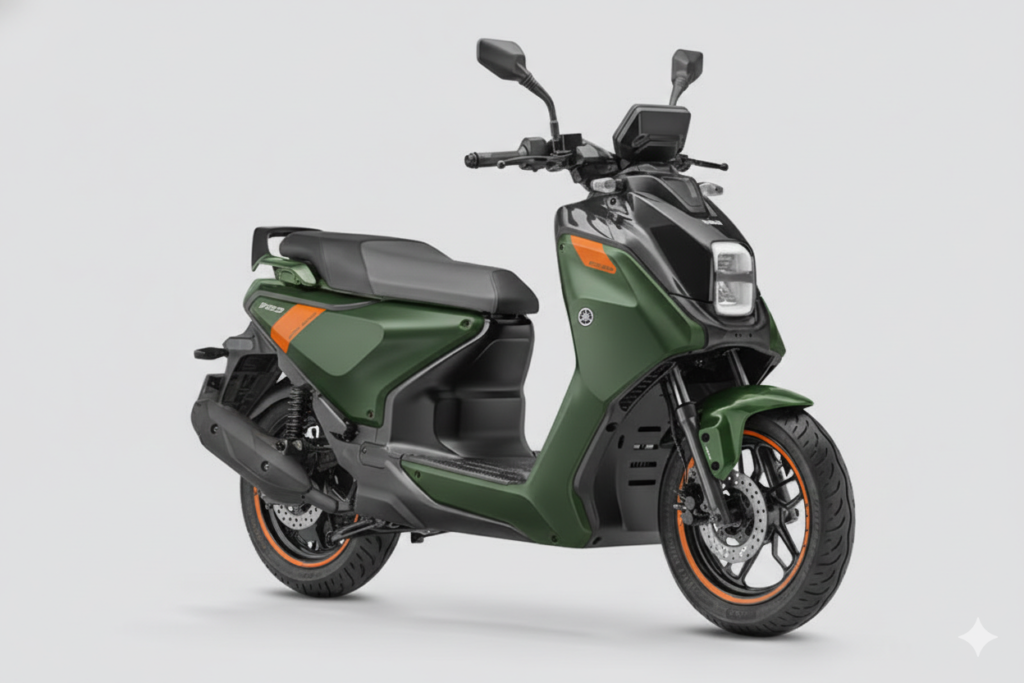
Launched on February 2, 2026, at an ex-showroom price of Rs 1,67,600 (Delhi), the EC-06 represents Yamaha’s entry into India’s rapidly growing electric mobility segment. As the last of the three major Japanese two-wheeler manufacturers (after Honda and Suzuki) to introduce an electric scooter, Yamaha partnered with Bengaluru-based startup River Mobility for this model. The EC-06 is essentially a rebadged and mildly revised version of the River Indie, built at River’s Hoskote plant in Karnataka.
Key Specs and Positioning
- Certified range: Up to 169 km on a single charge
- Battery: 4 kWh pack
- Charging time: Approximately 8 hours (standard plug)
- Top speed: Around 79-90 km/h (depending on mode)
- Motor: 6.7 kW setup with belt drive for smooth, quiet performance
- Storage: 24.5 liters under-seat space
- Availability: Initially limited to select cities in Karnataka, Tamil Nadu, and Maharashtra (including Bengaluru, Chennai, Mumbai, and Pune), sold exclusively through Yamaha’s premium Blue Square showrooms
The premium pricing, restricted dealership network, and phased rollout explain the low initial dispatches. Yamaha aims to position the EC-06 as a stylish, reliable urban commuter with Japanese build quality, targeting buyers who value brand trust over mass-market affordability.
Broader Japanese EV ContextFebruary 2026 marked the first full month where all three Japanese giants—Honda, Suzuki, and Yamaha—had electric scooters in the market. According to SIAM data:
- Combined factory dispatches (wholesales) for Yamaha, Suzuki, and Honda electric models: 824 units
- Yamaha EC-06: 92 units
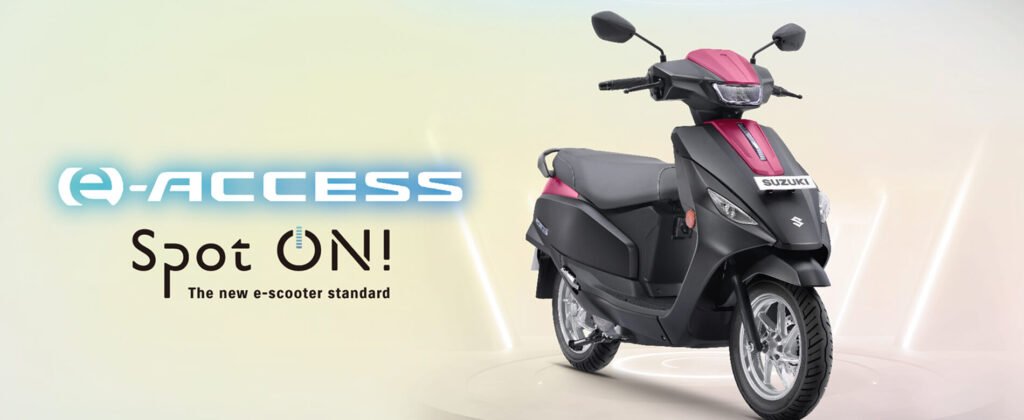
- Suzuki e-Access: 732 units
- Honda (Activa-e and QC1): 0 units (though Honda has cumulative sales of around 2,783 units over the past 11 months)
This contrasts sharply with the overall two-wheeler market, which saw massive growth in February 2026, with total domestic dispatches exceeding 18.7 lakh units (up ~35% YoY). Electric two-wheelers remain a small but expanding niche, dominated by players like Ather, Ola, Bajaj, and TVS.
Suzuki’s e-Access has shown stronger traction despite its own premium positioning, while Honda’s earlier entry has built a steadier (though still modest) volume base. Yamaha’s slower start is typical for a late entrant with limited availability, but the company plans to expand city coverage and potentially introduce more EV models (including the upcoming Aerox E maxi-scooter) to gain momentum.
While 92 units is a tepid debut compared to the millions of ICE scooters sold monthly, it signals Yamaha’s cautious but committed push into electrification. As charging infrastructure improves, prices become more competitive, and availability widens, the EC-06 could see better uptake among urban riders seeking a premium, hassle-free electric alternative.