The ongoing conflict in West Asia has triggered fresh concerns over global energy supplies, forcing India to confront its heavy dependence on imported crude oil. With Brent crude prices surging and supply disruptions affecting key routes like the Strait of Hormuz, the government is accelerating its long-term strategy to build energy resilience. Prime Minister Narendra Modi recently chaired a virtual meeting with chief ministers and lieutenant governors to review the situation and outline a coordinated response.
In the meeting held on March 27, 2026, PM Modi emphasized a dual approach: immediate measures to stabilize supply chains and long-term preparedness to reduce vulnerability to volatile international fuel prices. He urged states to work as “Team India” in tackling the crisis, stressing the need for continuous monitoring, anti-hoarding efforts, and smooth functioning of petroleum, LPG, and other essential supplies. The Prime Minister assured that there is no shortage of fuel in the country and highlighted proactive steps already taken, including diversification of energy sources.
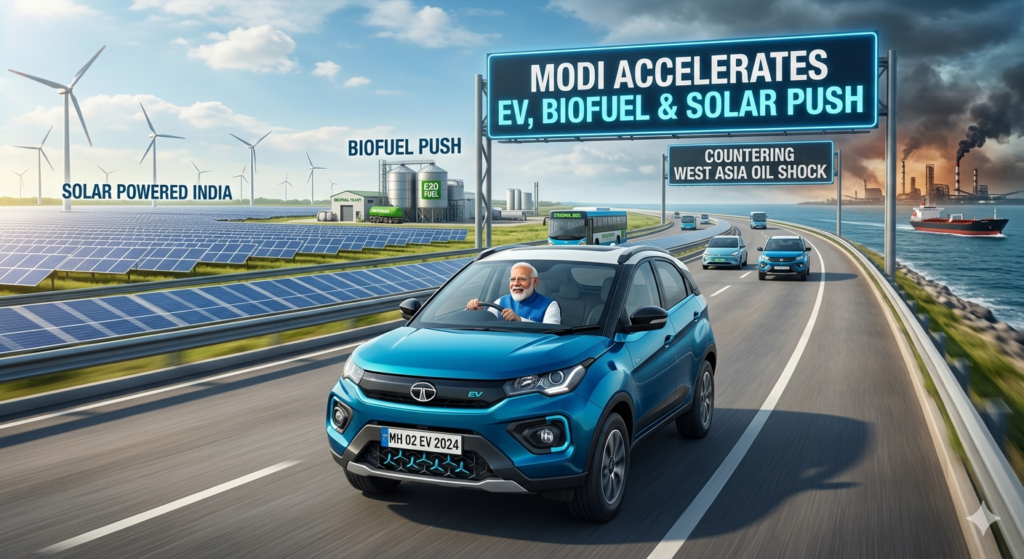
Central to the strategy is a strong push for non-fossil fuel alternatives. PM Modi called for accelerated promotion of electric mobility, biofuels, solar energy, and the GOBARdhan (Galvanizing Organic Bio-Agro Resources Dhan) initiative for compressed biogas. He also advocated expanding piped natural gas (PNG) connections and enhancing domestic exploration of oil and natural gas with active state cooperation
India imports over 85% of its crude oil requirements, with a significant portion historically coming from West Asia. The region has supplied around 40-45% of India’s crude in recent years, and disruptions have already led to higher global prices and logistical challenges. The conflict has raised fears of prolonged supply tightness, which could widen the current account deficit, fuel inflation, and strain the economy. By reducing reliance on imported fossil fuels, the government aims to shield consumers and industries from unpredictable price shocks
Ethanol blending in petrol has already delivered tangible benefits. PM Modi has noted that the programme—now approaching E20 levels—has helped the country avoid importing an additional 4.5 crore barrels of crude oil annually, saving substantial foreign exchange and providing relief during the current crisis. Farmers’ contribution to ethanol production from sugarcane and other feedstocks has been particularly highlighted as a key support in these challenging times.
The push for electric vehicles (EVs) forms a core pillar of the strategy. Faster adoption of EVs, supported by schemes like FAME, will directly cut petrol and diesel consumption while improving air quality and reducing the transport sector’s carbon footprint. Industry observers expect the energy shock to further incentivize consumers and manufacturers to shift towards electric two-wheelers, three-wheelers, and passenger vehicles.
Solar energy expansion remains a priority, building on India’s already ambitious renewable targets. Alongside this, the GOBARdhan scheme promotes rural biogas production from agricultural waste, turning it into a viable compressed biogas (CBG) fuel for vehicles and industries. These measures collectively aim to diversify the energy mix and strengthen energy security.
In the short term, the government is focusing on:
- Ensuring uninterrupted fuel and LPG supplies
- Monitoring global developments closely
- Cracking down on hoarding and profiteering
- Maintaining buffer stocks and diversified import sources (including increased reliance on non-West Asian suppliers like Russia)
For the long term, the emphasis is on structural reforms:
- Scaling up biofuel production and blending
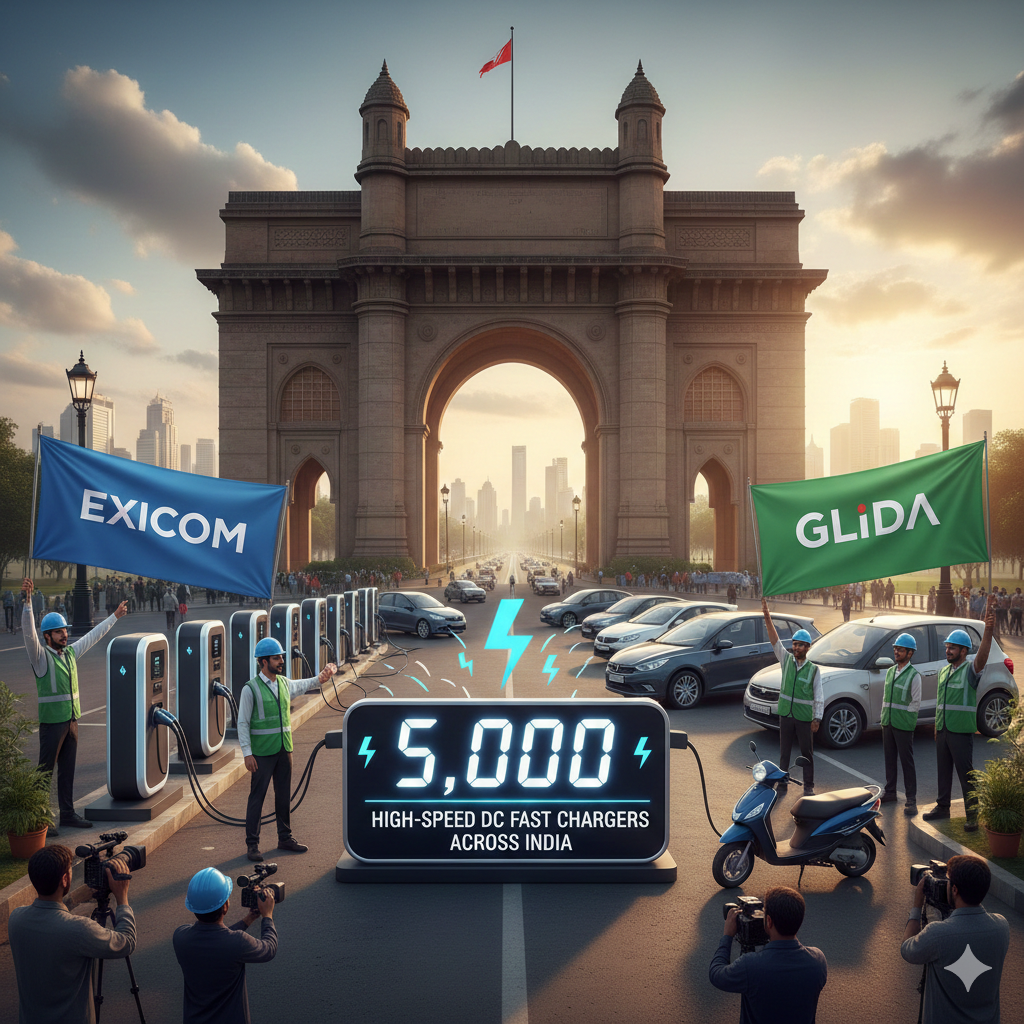
- Rapid deployment of charging infrastructure for EVs
- Boosting domestic oil and gas exploration
- Expanding renewable capacity, particularly solar and biogas
States have been asked to align their policies and implementation efforts with these national goals, ensuring seamless Centre-State coordination.
The West Asia conflict has acted as a wake-up call, but India’s response reflects a forward-looking vision. By accelerating the transition to electric mobility, biofuels, and solar power, the country is not only addressing immediate vulnerabilities but also laying the foundation for a cleaner, more self-reliant energy future. PM Modi’s message is clear: while managing the current situation with patience and preparedness, India must seize this moment to reduce dependence on imported oil and build lasting energy independence.As global uncertainties persist, the success of this strategy will depend on coordinated execution across states, continued policy support, and active participation from industry and citizens. The goal is ambitious yet achievable—transforming an energy challenge into a catalyst for sustainable growth