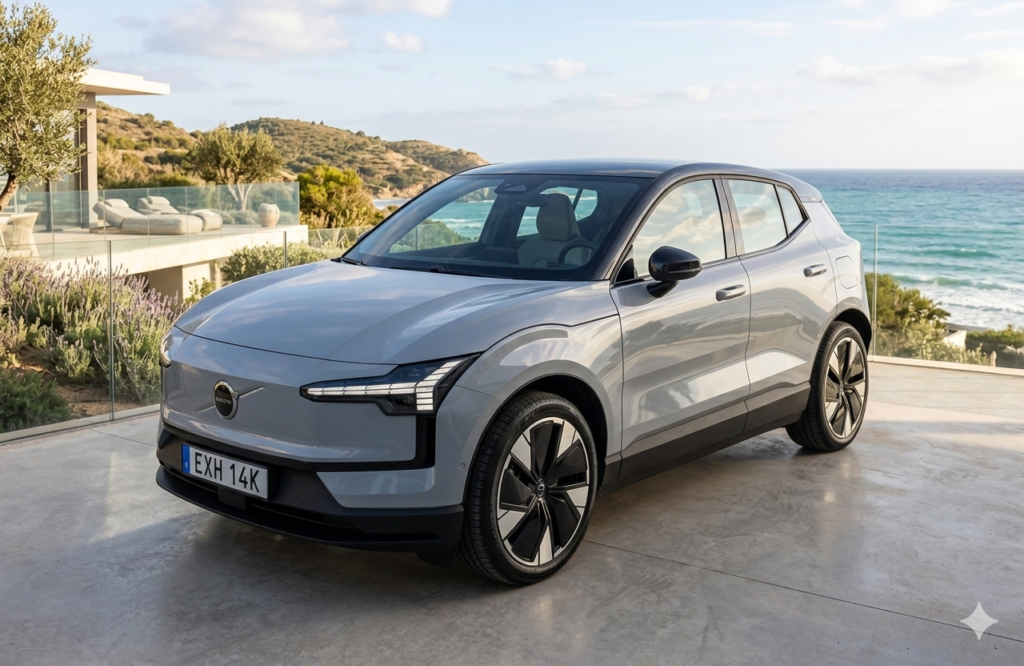
Volvo has refreshed its popular compact electric SUV, the EX30, with updates designed to make it more accessible and versatile. A key highlight is the introduction of a new entry-level powertrain featuring a smaller 51 kWh battery pack option, alongside the existing 69 kWh variant. These changes, part of the 2027 model year enhancements (with some features rolling out via over-the-air updates), aim to appeal to daily commuters seeking premium EV ownership at a potentially lower entry price, particularly in markets like Europe.
New Entry-Level Trim: Powertrain, Range, and Features
The standout addition is a detuned single-motor rear-wheel-drive configuration producing 110 kW (approximately 148-150 hp). This powertrain is paired with a 51 kWh battery (likely using lithium iron phosphate chemistry for cost and durability benefits), delivering a WLTP-rated range of up to 339 km (around 211 miles). For those needing more capability without stepping up to higher-performance models, buyers can opt for the larger 69 kWh battery with the same 110 kW motor, extending the range to 476 km (about 296 miles).This entry-level setup complements the existing lineup:
- Single Motor Extended Range (200 kW / ~268 hp) with the 69 kWh battery for stronger performance and longer range.
- Twin Motor Performance (315 kW / ~422 hp) all-wheel-drive variant.
Volvo positions the new 110 kW option as ideal for everyday urban and suburban use, where full power isn’t always necessary, while offering a more affordable gateway into the premium compact EV segment. It is expected to undercut the previous base pricing (previously around €38,490 in some markets for the Essential trim), making the EX30 one of the most budget-friendly models in Volvo’s portfolio. Note that this lower-power variant with the 51 kWh pack appears targeted primarily at international markets like Europe and is not currently planned for the U.S., where models stick to the 69 kWh battery as standard.
Broader Updates Enhancing Accessibility and User Experience
Beyond the powertrain, Volvo has introduced several refinements:
- Vehicle-to-Load (V2L) capability: The EX30 can now function as a mobile power bank, supplying energy from its battery to external devices such as electric bikes, tools, camping gear, or appliances. This hardware-enabled feature (requiring an adapter in some cases) will roll out via over-the-air (OTA) software updates to both new 2027 models and existing EX30 owners, likely by summer 2026.
- Refined infotainment and UX: A redesigned, more intuitive interface with quicker access to key functions, customizable content, and predictive features improves daily usability. These software enhancements are also deliverable OTA to current owners.
- Interior upgrades: New premium material options, fresh themes, and an expanded Black Edition lineup elevate the cabin’s Scandinavian design appeal.
These updates build on the EX30’s strengths—its compact size, stylish design, rapid charging (up to 153 kW DC for the larger battery), and strong safety credentials—while addressing demands for greater affordability and practicality in the competitive premium compact EV space. Rivals like the Mini Aceman now face stiffer competition from this more flexible EX30 lineup.
With these enhancements, Volvo continues to evolve the EX30 as a compelling choice for buyers prioritizing sustainability, efficiency, and premium features in a small footprint. Availability and exact pricing will vary by market, but the new entry-level powertrain broadens its reach significantly