Volvo Cars continues to lead the premium automotive sector’s shift toward sustainability, with electrified vehicles (fully electric and plug-in hybrids) now accounting for 46% of its global sales. This milestone reflects the brand’s long-standing commitment to electrification, as highlighted in recent performance data and its 2025 Annual and Sustainability Report.
In 2024, electrified models already comprised 46% of Volvo’s worldwide deliveries, with fully electric vehicles surging 54% year-over-year and plug-in hybrids growing 16%. This trend has carried forward, underscoring growing customer demand for low-emission options amid Volvo’s roadmap to become a fully electric carmaker by 2030.The company’s electrified lineup—including popular models like the XC60, XC90, and newer additions such as the long-range plug-in hybrid XC70—bridges the gap for buyers transitioning from traditional powertrains while delivering zero tailpipe emissions in electric mode.
Beyond sales, Volvo is aggressively reducing the environmental footprint of its operations. Seven out of nine production facilities now operate on climate-neutral energy, covering 87% of the energy used across its global manufacturing network. This achievement stems from switches to renewable electricity, biogas heating, and other green energy solutions at key sites like Torslanda (Sweden) and Taizhou (China).
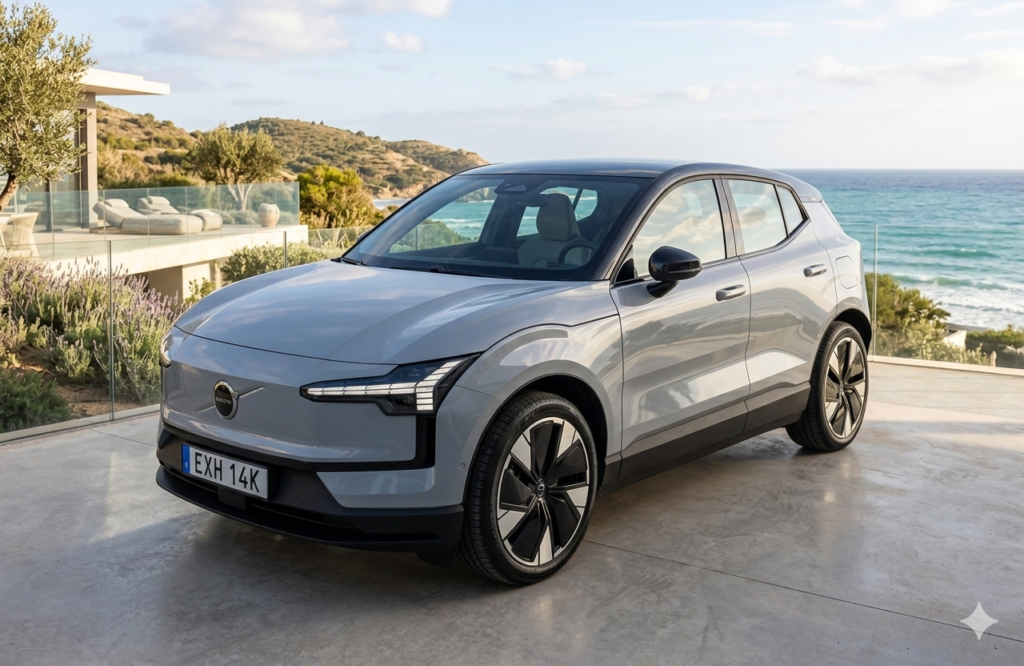
Volvo has also exceeded its circular materials target ahead of schedule. The goal was to incorporate 25% recycled and bio-based materials in new models by 2025—but the recently launched EX60 electric SUV has already achieved 27% recycled materials, setting a new benchmark for the brand. This includes high recycled content in aluminum (up to 49% in some components), near-zero emission steel from partner SSAB, and 30% recycled metals in battery cells.
Water conservation remains a priority. Through targeted efficiency initiatives implemented across all facilities—such as process optimizations and recycling systems—water withdrawal per manufactured car has decreased by 29%. These efforts align with Volvo’s broader ambition to halve operational water use by 2030 (from a 2018 baseline) and support responsible resource management in water-stressed regions.
Volvo Cars’ progress demonstrates that electrification and sustainability go hand-in-hand. By surpassing material goals, powering most operations with climate-neutral energy, and driving significant sales growth in electrified vehicles, the company is not only meeting but exceeding its 2025 targets. These advancements position Volvo as a frontrunner in reducing the full lifecycle impact of premium mobility, from factory floor to customer driveway.As the brand rolls out innovative models like the EX60 on its advanced SPA3 platform, expect continued emphasis on efficiency, recycled content, and net-zero ambitions—paving the way for a cleaner automotive future. For the full details, refer to Volvo Cars’ latest Annual and Sustainability Report.