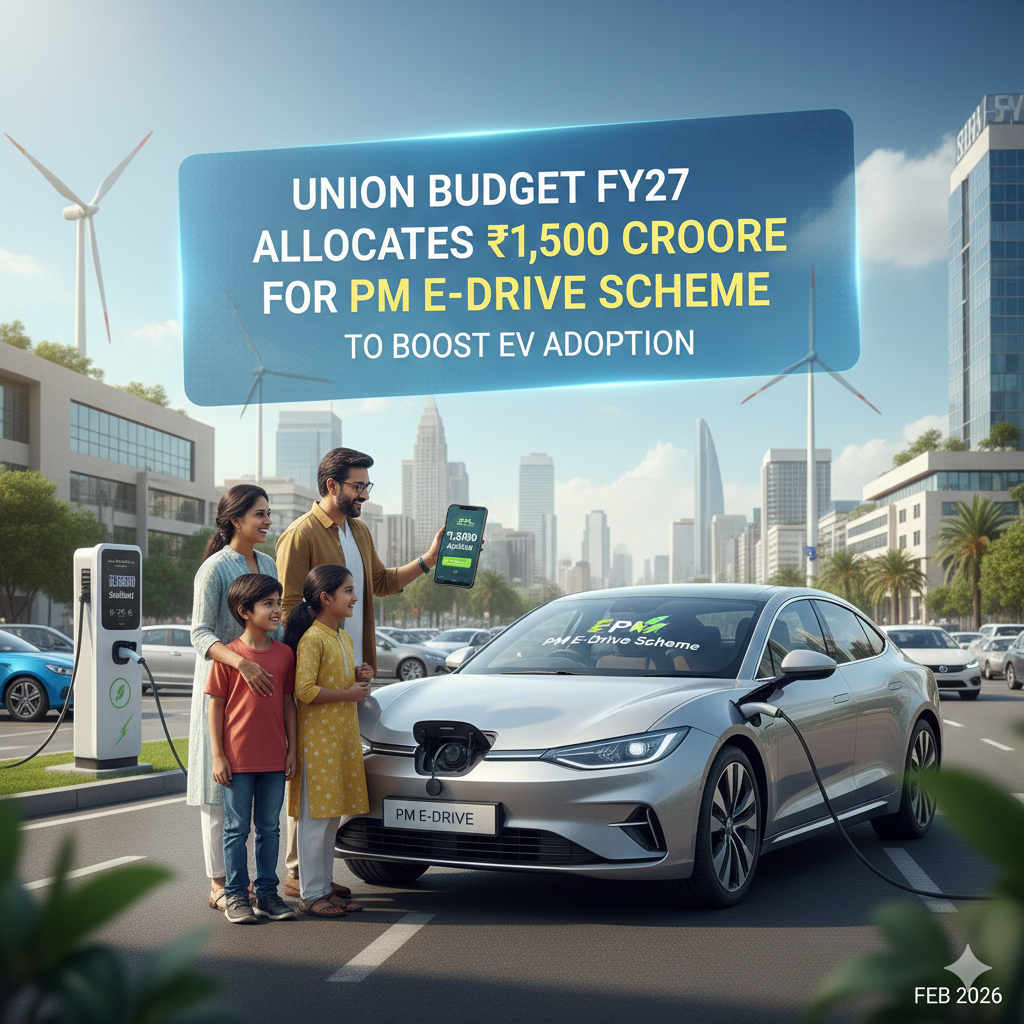
The Union Budget for 2026-27 (FY27) has allocated Rs 1,500 crore for the PM Electric Drive Revolution in Innovative Vehicle Enhancement (PM E-Drive) scheme under the Ministry of Heavy Industries, which has been a key driver of electric vehicle demand in the country.
This allocation marks a significant adjustment in the government’s funding for electric mobility. Budget documents reveal that the scheme received Rs 993 crore in actual expenditure during FY25 (2024-25). For FY26 (2025-26), the initial budget estimate stood at Rs 4,000 crore, but it was revised downward to Rs 1,300 crore, reflecting trends of underutilization and evolving priorities in the sector.
The Rs 10,900-crore PM E-Drive scheme, which replaced the earlier Faster Adoption and Manufacturing of Electric Vehicles (FAME) programme, was launched on October 1, 2024. Designed as a two-year initiative (originally until March 31, 2026, with some reports indicating extensions in implementation focus), it provides subsidies on the purchase of electric two-wheelers, electric three-wheelers, electric trucks and buses, as well as electric ambulances. A substantial portion is also dedicated to setting up charging infrastructure to support widespread EV adoption.
Key Components and Targets of the Scheme
The scheme’s total outlay of Rs 10,900 crore is distributed across various segments to accelerate India’s transition to sustainable mobility:
- Electric two-wheelers — Targeting around 24.79 lakh units with incentives focused on advanced battery-equipped models.
- Electric three-wheelers (including e-rickshaws and L5 category) — Aiming for significant numbers, with separate allocations for different sub-categories.
- Electric buses — A major focus, with substantial funding to promote large-scale deployment.
- Electric trucks and ambulances — Specific incentives to encourage commercial and emergency vehicle electrification.
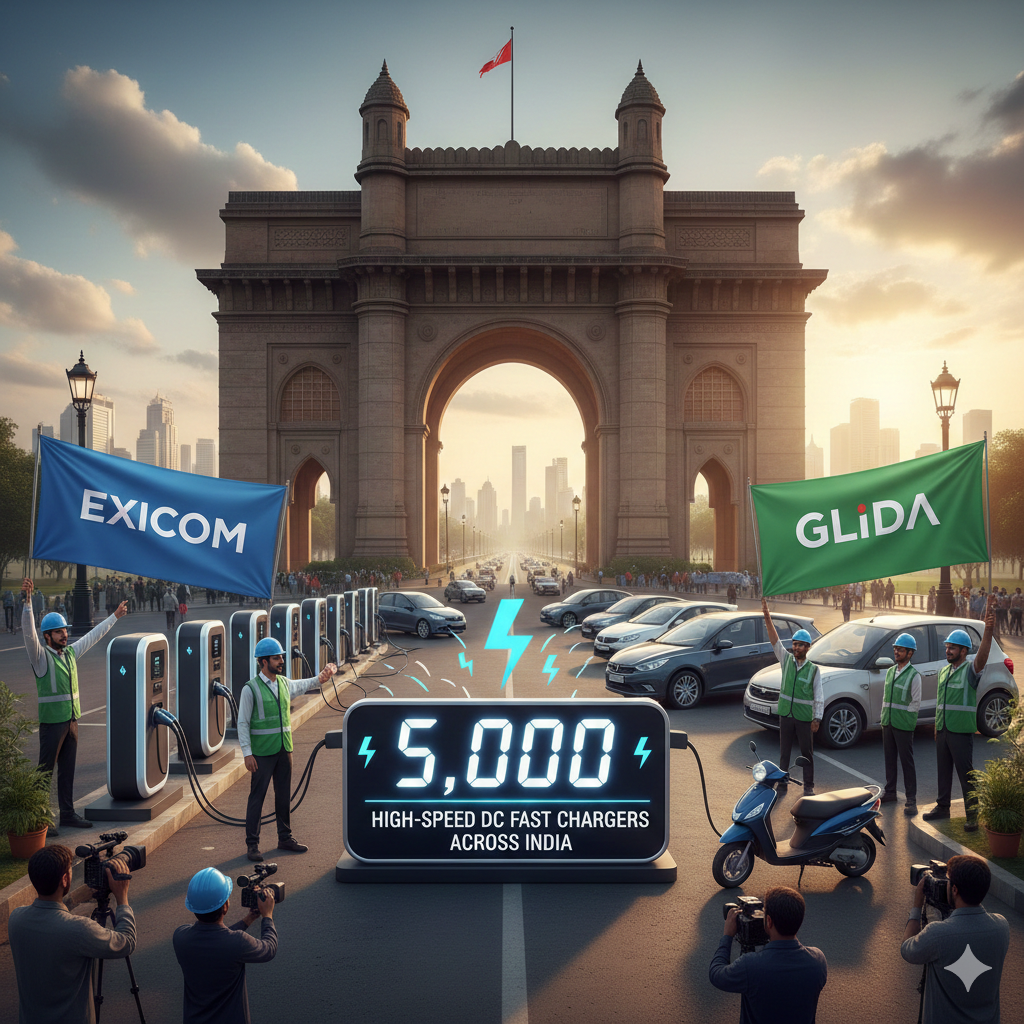
- Charging infrastructure — Rs 2,000 crore earmarked for establishing thousands of public charging stations (including fast chargers for cars and buses).
Context and Implications
The FY27 allocation of Rs 1,500 crore represents an increase from the FY26 revised estimate of Rs 1,300 crore but a sharp reduction from the original FY26 budget estimate of Rs 4,000 crore. This moderated funding aligns with reports that electric two- and three-wheelers have achieved greater cost-competitiveness (total cost of ownership parity in many cases), reducing the need for heavy demand-side subsidies. The focus appears to be shifting toward heavier vehicles like buses and trucks, as well as supply-chain enhancements, charging networks, and localization efforts.Industry observers note that while the allocation is lower than initially anticipated for FY26, it signals continued government commitment to EV growth amid broader pushes in related areas, such as increased funding for the Production Linked Incentive (PLI) scheme for automobiles and auto components (raised significantly in FY27). The scheme’s emphasis on advanced batteries and infrastructure aims to build long-term self-reliance in electric mobility.Overall, the PM E-Drive scheme remains a cornerstone of India’s strategy to reduce dependence on fossil fuels, curb emissions, and position the country as a leader in sustainable transportation. With subsidies for lighter vehicles phasing out in some timelines and resources pivoting to critical infrastructure, the coming years will test how effectively this funding drives deeper EV penetration across vehicle categories.