In the bustling electric vehicle (EV) landscape of India, where startups race to electrify the nation’s two-wheeler obsession, few stories capture the tension between innovation and accessibility quite like that of Ultraviolette Automotive. Founded in 2016 in Bengaluru, this premium electric two-wheeler maker burst onto the scene with visions of high-performance, tech-laden motorcycles that promised to redefine urban mobility. Backed by heavyweights like TVS Motor Company and a cadre of global investors, Ultraviolette seemed poised for stardom. Yet, nine years later, the company grapples with a sobering reality: its lofty pricing has kept sales in the shadows, far from the mainstream success it craved.
The Spark of Premium Innovation
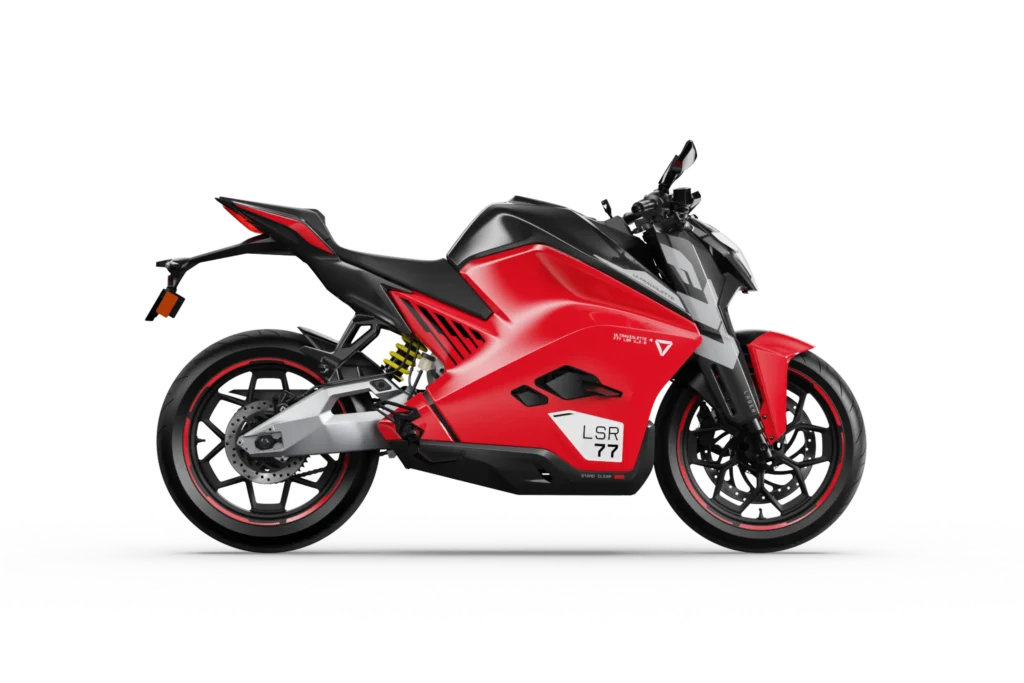
Ultraviolette’s origin story is one of audacious engineering. Co-founded by Narayana Subramaniam, a former TVS executive with a pedigree in automotive R&D, and a team of passionate EV enthusiasts, the startup emerged during India’s nascent push toward sustainable transport. The company’s flagship, the F77—a sleek, aerodynamic electric motorcycle—debuted in 2022 after years of secretive development. Priced at around ₹4 lakh (ex-showroom), it boasted blistering specs: a top speed of 152 km/h, 0-60 km/h in 2.8 seconds, and a claimed range of up to 323 km on a single charge. It wasn’t just a bike; it was a statement of intent, blending aerospace-grade materials, AI-driven diagnostics via the “Violette A.I.” system, and a five-layer battery safety architecture that set new benchmarks for EV reliability.
Investor enthusiasm matched the hype. TVS Motor, one of India’s largest two-wheeler giants, led early funding rounds, infusing not just capital but also manufacturing expertise. By 2025, Ultraviolette had raised over $50 million cumulatively, with a fresh $21 million infusion in August from TDK Ventures and other backers aimed at global expansion. This support enabled a state-of-the-art facility in Hosur, Tamil Nadu, capable of producing 100,000 units annually—though utilization has lagged far behind.
The pitch was compelling: In a market dominated by affordable petrol commuters, Ultraviolette targeted the aspirational rider—the urban professional seeking a blend of Ferrari-like thrills and Tesla-esque tech. Early adopters raved about its handling, regenerative braking, and over-the-air updates. But as the dust settled, the numbers told a different tale.
The Premium Price Tag: A Double-Edged Sword
For all its engineering prowess, Ultraviolette’s premium positioning has been its Achilles’ heel. At ₹3.8-4.5 lakh for variants of the F77, the bike was out of reach for most Indian buyers, where the average two-wheeler sells for under ₹1 lakh. India’s EV two-wheeler market, while booming—projected to hit 10 million units annually by 2030—remains hypersensitive to price. Competitors like Ola Electric and Ather Energy have captured hearts (and market share) with scooters starting at ₹1 lakh, subsidized by government incentives and aggressive financing.
Sales figures underscore the disconnect. Despite launching in late 2022, Ultraviolette moved just a few hundred units in its first two years. By August 2025, official Vahan data revealed only 138 vehicles registered for the year—a stark contrast to the company’s internal targets of thousands. Cumulative sales hover around 1,000-1,500 units, a whisper in a market where budget EV players dispatch that many weekly. Founders have cited supply chain snarls, certification delays, and a nascent charging infrastructure as factors, but industry analysts point squarely at pricing. “Premium EVs in India are a niche play,” notes a recent Inc42 analysis. “Ultraviolette’s F77 is a marvel, but at four times the cost of a mass-market alternative, it’s collecting dust in showrooms.
“The irony is palpable. Ultraviolette’s backers, including TVS, have poured resources into premium tech—advanced liquid-cooled motors, carbon-fiber elements, and a 10-year battery warranty—to future-proof the brand. Yet, this very sophistication inflated costs, alienating the volume-driven Indian consumer. Economic headwinds, including rising raw material prices and subsidy cuts under the FAME-III scheme, only compounded the issue. As one Bengaluru dealer confided to Economic Times, “Buyers love the demo rides, but when the EMI hits ₹8,000 a month, they walk away to Hero or Bajaj.”
A Strategic Pivot: Chasing the Affordable Horizon
Nine years in, Ultraviolette is rewriting its playbook. In a bold September 2025 launch, the company unveiled the X-47, an entry-level electric motorcycle priced at an introductory ₹2.49 lakh (standard ₹2.74 lakh)—a 40% slash from the F77’s base. This “affordable performance” machine targets the 125-150cc petrol segment, offering 47 Nm torque, a 200 km range, and smartphone integration at a fraction of the premium cost. The response was electric: Over 3,000 bookings in the first month, fueled by a ₹999 pre-order fee and aggressive marketing tying into India’s Gen-Z thrill-seekers.
This shift signals a broader recalibration. Ultraviolette is diversifying into scooters and entry-level models, with plans for 10 new electric two-wheelers over the next three years. Monthly production is ramping to 1,000 units by the second half of 2025, with FY26 sales ambitions of 10,000-12,000 units. The company is in talks with state governments for incentives to build a second facility, broadening its footprint beyond premium exports to Southeast Asia and Europe.
Funding remains a lifeline. The August 2025 round, led by TDK Ventures, emphasizes scaling affordable electrification, with proceeds earmarked for battery localization and supply chain resilience. TVS’s ongoing involvement provides a safety net, potentially paving the way for synergies like shared platforms. “We’re not abandoning premium; we’re democratizing it,” CEO Narayana Subramaniam stated in a recent interview, echoing the startup’s evolution from boutique innovator to volume contender.
Hurdles on the Horizon: Can Ultraviolette Flip the Script?
The pivot is promising, but challenges persist. Execution risks loom large—can Ultraviolette maintain quality at lower price points without diluting its tech edge? Competition intensifies daily, with TVS’s own iQube scooter outselling rivals and newcomers like Honda eyeing EVs. Regulatory flux, including potential subsidy overhauls in the 2026 budget, adds uncertainty. Moreover, building a robust after-sales network in Tier-2 cities remains critical; premium buyers tolerated sparse service, but mass-market ones won’t.
Yet, Ultraviolette’s resilience shines through. Its seven years of R&D (intensifying post-2018) have yielded proprietary IP, from modular battery packs to AI predictive maintenance, positioning it for profitability in 2-3 years. As India mandates 30% EV adoption by 2030, the timing feels serendipitous. The X-47’s buzz—amplified on social media with user videos of hill climbs and city sprints—hints at untapped potential.
The Road Ahead: Balancing Heritage and Hunger
Ultraviolette’s nine-year saga is a microcosm of India’s EV awakening: a tale of bold bets, investor faith, and the unforgiving arithmetic of affordability. What began as a premium reverie has matured into a pragmatic quest for scale. If the X-47 and its siblings deliver on volume, Ultraviolette could graduate from startup curiosity to market mainstay. For now, it’s a reminder that in the two-wheeler world, innovation alone doesn’t sell bikes—price does.