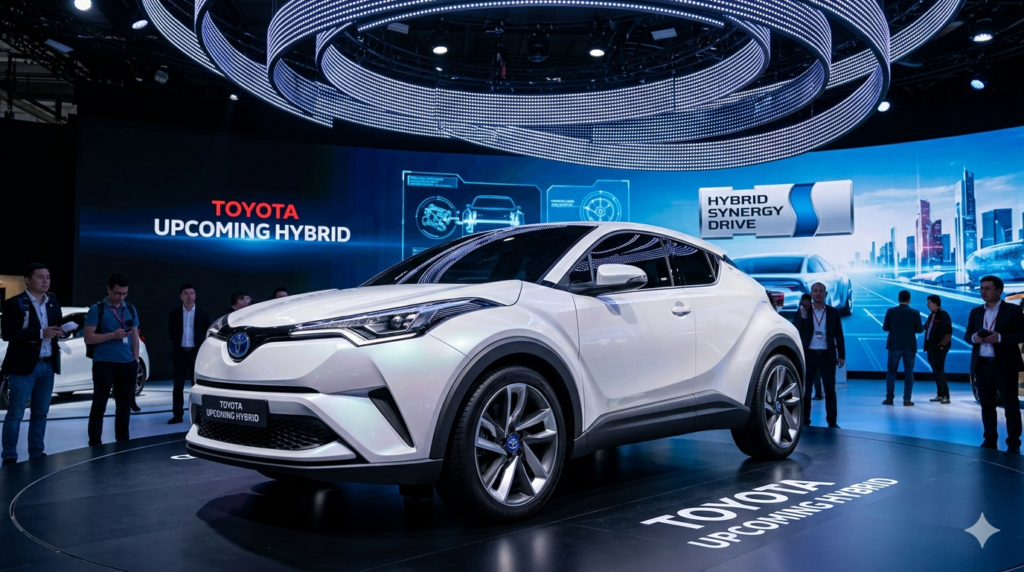
Toyota is steadily expanding its presence in India’s electrified vehicle segment, where hybrids remain a practical bridge between conventional ICE models and full EVs. While the brand already offers a solid lineup of hybrid options, several exciting new or updated models with hybrid technology are on the horizon. These upcoming launches promise better efficiency, enhanced features, and broader appeal for Indian buyers seeking reliable, low-emission mobility. Here’s a fresh look at four key Toyota hybrid introductions expected in the near future.
1. Next-Generation Hilux with Mild-Hybrid Technology
The legendary pickup truck is set for a major overhaul with the ninth-generation model, which Toyota has already unveiled globally. In India, enthusiasts can look forward to a version featuring a 48V mild-hybrid (MHEV) system paired with the proven 2.8-litre turbo-diesel engine. This setup is expected to deliver smoother low-speed response, slightly better fuel economy, and reduced emissions without compromising the Hilux’s renowned toughness, payload capacity (around 1,000 kg), and towing ability (up to 3,500 kg in select configurations). The new Hilux brings refreshed styling, a more modern interior with improved tech, and potentially other powertrain choices like a full battery-electric variant in some markets. For India, where the current Hilux enjoys a dedicated following for both personal and commercial use, this update could arrive later in 2026 or early 2027, strengthening Toyota’s position in the lifestyle pickup segment.
2. Next-Generation Fortuner
Toyota’s flagship body-on-frame SUV, the Fortuner, is due for a complete generational shift, likely based on the same IMV platform as the new Hilux. While the current model has already received a 48V mild-hybrid diesel option in India (adding a small electric boost for better efficiency and drivability), the next-gen version is expected to carry forward and possibly enhance this electrification.Expect the familiar 2.8-litre diesel with mild-hybrid assistance (potentially offering around 201 bhp plus extra electric torque), along with possible petrol options. The new Fortuner should feature a more premium cabin inspired by the latest Hilux, advanced safety systems, and improved ride quality. A full strong-hybrid or even plug-in hybrid powertrain could appear in later phases, though mild-hybrid diesel is the most immediate focus for India.Positioned as a rugged yet comfortable family hauler and off-roader, the next-generation Fortuner is anticipated around 2027 and will aim to fend off growing competition in the premium SUV space.
3. Innova Hycross Facelift
The Innova Hycross has been a game-changer for Toyota in India, popularizing strong-hybrid technology in the MPV category with its efficient 2.0-litre petrol-hybrid system (delivering excellent mileage in the 20+ kmpl range). A facelift is expected in the late 2026 to early 2027 timeframe, bringing subtle exterior refreshes, updated interiors, and possibly more advanced features.
The core powertrain—a fifth-generation self-charging hybrid—should remain, offering seamless electric assist, low running costs, and smooth performance ideal for city and highway driving. Enhancements might include better infotainment, improved noise insulation, additional safety aids, and minor tweaks for even better efficiency or refinement. As one of Toyota’s strongest hybrid sellers in India, the updated Hycross will continue to cater to large families who value comfort, reliability, and fuel savings.
4. 7-Seater Urban Cruiser Hyryder
To address the needs of bigger Indian families, Toyota is developing a three-row, seven-seater version of the popular Urban Cruiser Hyryder. This stretched variant, already spotted testing (including in high-altitude conditions), will offer practical third-row seating while retaining the model’s stylish crossover appeal.
Powertrain options are likely to mirror the current Hyryder: a 1.5-litre mild-hybrid petrol and a strong hybrid system, with the possibility of an all-wheel-drive (AWD) variant for added versatility. The 7-seater could also gain modern features like Level-2 ADAS, a larger touchscreen, digital driver display, and premium audio. Expected to launch around late 2026 or 2027 and priced in the competitive mid-size SUV bracket, this model will rival other three-row options while bringing Toyota’s proven hybrid efficiency to a more spacious format.
These upcoming hybrids reflect Toyota’s multi-pathway strategy in India—focusing on accessible electrification that delivers real-world benefits like lower fuel bills and smoother driving, without requiring charging infrastructure. As the market evolves, these models could significantly boost hybrid adoption beyond the current limited share. Keep an eye on official announcements for exact timelines and specifications, as they may shift based on market conditions and regulatory updates. Which of these Toyota hybrids excites you the most for the Indian roads?