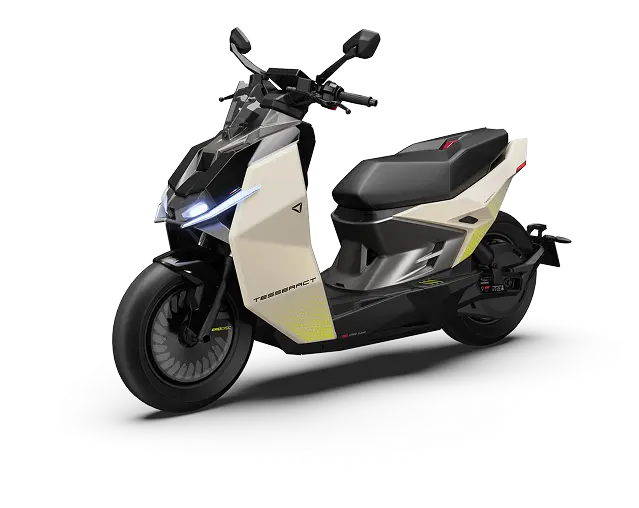
When Ultraviolette unveiled the Tesseract electric scooter last year with a starting price of Rs 1.20 lakh, it instantly attracted strong interest from buyers across India. The aggressive pricing, sporty design, and brand reputation helped the company secure a large number of pre-bookings, many of which were made by paying a token amount of Rs 999 at the time of the first public showcase. However, months later, a growing number of prospective owners are still waiting — not just for deliveries, but for the basic retail infrastructure needed to support their purchase.
Ultraviolette has officially announced that deliveries of the Tesseract electric scooter will begin from Q2 2026. While this timeline provides clarity on production and rollout, it has also brought into focus a key concern among early customers: the lack of showroom and service network expansion. Many buyers who booked early are now uncertain about whether the company will be able to support them locally when deliveries actually begin.
The concern is especially evident in regions outside major metropolitan cities. In states like Goa, Ultraviolette has only recently opened a showroom, and the nearest additional facility is in Hubli, which is approximately a five-hour drive away. For customers who expect convenient access to sales, service, and support, this distance is far from practical. The situation is similar in several other Tier 2 and Tier 3 cities, where demand exists but infrastructure does not.
This gap between bookings and retail presence is creating hesitation among prospective buyers. While many are still interested in the product itself, the uncertainty around service availability, spare parts, warranty support, and post-sale assistance is making them question whether they should continue waiting or consider alternatives from brands with a more established footprint.
Ultraviolette’s challenge now is not technological but operational. The company has already demonstrated its ability to design and engineer high-performance electric two-wheelers. However, scaling up a dealership and service network across a diverse and geographically vast country like India requires significant investment, coordination, and execution speed.
If Ultraviolette fails to expand its showroom and service network at a pace that matches its delivery ambitions, it risks losing early goodwill and customer trust. Buyers who booked early did so based on faith in the brand’s promise and vision. Delays in physical presence could turn that enthusiasm into frustration, especially as competitors continue to expand aggressively and launch new models across multiple price points.
At the same time, Ultraviolette still has an opportunity to turn the situation around. With deliveries not scheduled until Q2 2026, the company has a critical window to accelerate its network rollout, communicate transparently with customers, and reassure them that support will be available in their cities when the scooter arrives.
The Tesseract remains an exciting product with strong potential, but in India’s electric two-wheeler market, success is determined not just by specifications and pricing, but by accessibility, service reliability, and customer confidence. Whether Ultraviolette can bridge the gap between promise and presence will define the real success of the Tesseract — not just as a scooter, but as a brand milestone.