
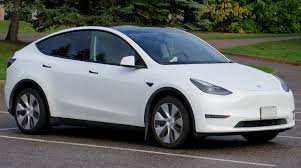
In an unusual move, Tesla has publicly released its company-compiled consensus for Q4 2025 vehicle deliveries, drawing from estimates by 20 leading sell-side analysts. The figures point to a significant sequential slowdown following the company’s record-breaking Q3 2025 performance, highlighting potential challenges in sustaining momentum amid fading incentives, regional variations, and intensifying competition in the global EV market.
The consensus pegs Q4 deliveries at a mean of 422,850 vehicles (with a median around 420,399), representing roughly a 15% decline from the 497,099 vehicles delivered in Q3. This projection, if realized, would mark a notable dip after Tesla’s strongest quarter of the year and set the stage for a critical evaluation of demand trends heading into 2026.
Tesla’s Q3 results were a standout, with 4,97,099 global deliveries — a new quarterly record. The breakdown included 4,81,166 units of the high-volume Model 3 and Model Y, which continue to drive the bulk of sales, plus 15,933 units from other models like the Model S, Model X, and Cybertruck.
Analysts attribute the projected Q4 slowdown primarily to the “post-subsidy hangover” in the U.S., where accelerated Q3 purchases left fewer immediate orders. Other factors include softer demand in Europe and modest growth in China, despite seasonal patterns typically favoring December. Some estimates from firms like Deutsche Bank and UBS suggest even lower figures, potentially in the 405,000–415,000 range.
If the consensus holds, full-year 2025 deliveries would land around 1.64 million vehicles — an 8.3% decline from the prior year, marking Tesla’s second consecutive annual drop.
Tesla’s international expansion faced headwinds in key emerging markets. Since launching sales in India in July 2025 with the Model Y, the company has delivered far fewer vehicles than anticipated, with orders hovering just over 600 and actual deliveries remaining limited.
Despite the near-term caution, analysts remain optimistic about Tesla’s long-term trajectory. Growth in 2026 and beyond is expected to stem from Gigafactory expansions, localization efforts, scaling energy storage deployments (with Q4 consensus at 13.4 GWh), and advancements in autonomous driving and AI technologies.
Tesla’s proactive release of the consensus appears aimed at managing expectations transparently ahead of the official Q4 report (expected early January 2026). As the EV giant navigates this transitional period, the true test will be its ability to reignite demand without heavy reliance on incentives — a pivotal moment for its strategy in an increasingly competitive landscape.
With Q4 numbers set to arrive soon, all eyes are on whether Tesla can defy the conservative forecasts or if this slowdown signals deeper demand questions for the year ahead!