Renault is exploring new ways to stay relevant in markets that are rapidly shifting toward electrification, and its Hybrid G 150 powertrain could be one of its most important weapons yet. As Indian buyers show growing interest in electrified vehicles without the anxiety of full electric ownership, the question becomes clear: should Renault introduce the Hybrid G 150 to India, and if it does, can it compete with established midsize SUV leaders like the Hyundai Creta and Kia Seltos?
What Is Renault’s Hybrid G 150 and Why Is It Special?
The Hybrid G 150 is a petrol-LPG hybrid system that combines a conventional internal combustion engine with electric assistance. Renault claims that the system allows up to 60 percent of city driving to be done in electric mode, while still offering a total driving range of up to 1,480 km thanks to its dual-fuel setup and hybrid efficiency. This approach targets urban users who want cleaner driving in cities but still need long-distance flexibility for highway trips.
Unlike plug-in hybrids or full EVs, the Hybrid G 150 does not require charging infrastructure, making it especially relevant for markets like India where charging networks are still uneven. The system also supports a six-speed automatic gearbox, making it practical for daily commuting as well as highway touring. This combination of hybrid efficiency, long range, and ease of ownership is what makes the Hybrid G 150 a potential game changer.
Why the Hybrid G 150 Makes Sense for India
India’s car market is currently in a transition phase. While EV adoption is growing, most buyers still prefer petrol-powered vehicles due to concerns over charging, resale value, and long-term reliability. A hybrid solution like the G 150 fits neatly into this gap. It offers improved fuel efficiency, lower emissions, and reduced running costs without asking buyers to change their habits.
Additionally, rising fuel prices and stricter emission norms are pushing customers toward more efficient technologies. A hybrid-LPG combination could give Renault a strong cost-per-kilometer advantage over traditional petrol SUVs. If Renault can price the Hybrid G 150 competitively, it could attract urban families, fleet buyers, and environmentally conscious customers alike.
Can It Compete With Creta and Seltos?
The Hyundai Creta and Kia Seltos dominate the midsize SUV segment thanks to their strong brand appeal, extensive feature lists, wide service networks, and strong resale values. However, both models currently rely on conventional petrol and diesel engines, with no true hybrid option on offer.
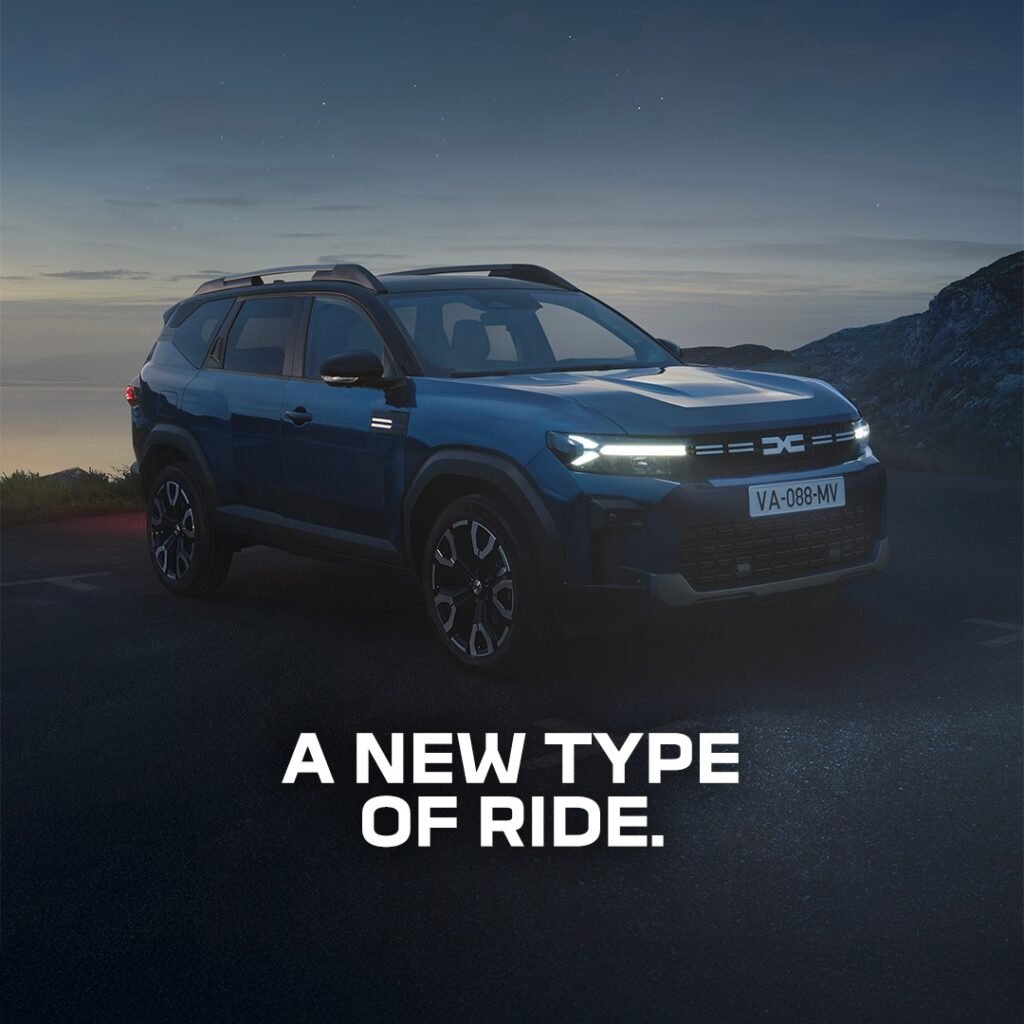
If Renault introduces the Hybrid G 150 in a well-designed SUV with competitive features, safety equipment, and interior quality, it could stand out as the only model in the segment offering a genuine hybrid experience. This differentiation alone could be a powerful marketing tool, especially as buyers become more conscious of fuel efficiency and environmental impact.
However, success would depend heavily on pricing, after-sales support, and local manufacturing. Without aggressive pricing and strong dealership coverage, even a technologically superior product may struggle to challenge the segment leaders.
The Strategic Opportunity for Renault
Renault currently lacks a strong presence in India’s high-volume midsize SUV segment. Introducing a hybrid SUV powered by the G 150 system could allow the brand to re-enter the spotlight with a fresh and future-ready product. It would also align well with India’s push toward greener mobility without relying entirely on EV infrastructure.
The Hybrid G 150 could become Renault’s identity product in India, much like how hybrids helped brands like Toyota build long-term trust in efficiency and reliability. If executed well, this move could reposition Renault as an innovative and eco-focused brand in the Indian market.
Final Verdict
Renault should seriously consider bringing the Hybrid G 150 to India. It offers the right mix of efficiency, convenience, and future readiness for Indian conditions. While competing with the Creta and Seltos will not be easy, a first-in-segment hybrid powertrain could give Renault a meaningful edge.
With the right pricing, strong features, and local adaptation, the Hybrid G 150-powered SUV could not only compete with segment leaders but also reshape buyer expectations in the midsize SUV category. In a market hungry for innovation but cautious about full electrification, Renault’s hybrid strategy could arrive at exactly the right time.