In a stark revelation about India’s electric vehicle (EV) ecosystem, only six out of the 46 electric car models currently on sale in the country qualify for government incentives under the ambitious Production Linked Incentive (PLI) scheme for Advanced Chemistry Cells and automobiles. That leaves a staggering 40 models — 87% of the entire EV line-up — ineligible because they fail to meet the mandated domestic value addition (localisation) norms.
The message is clear: despite the rapid growth in EV sales and new model launches, most electric cars sold in India today are little more than assembled imported kits with more than 60% foreign content.
The 50% Localisation Rule That Almost No One Meets
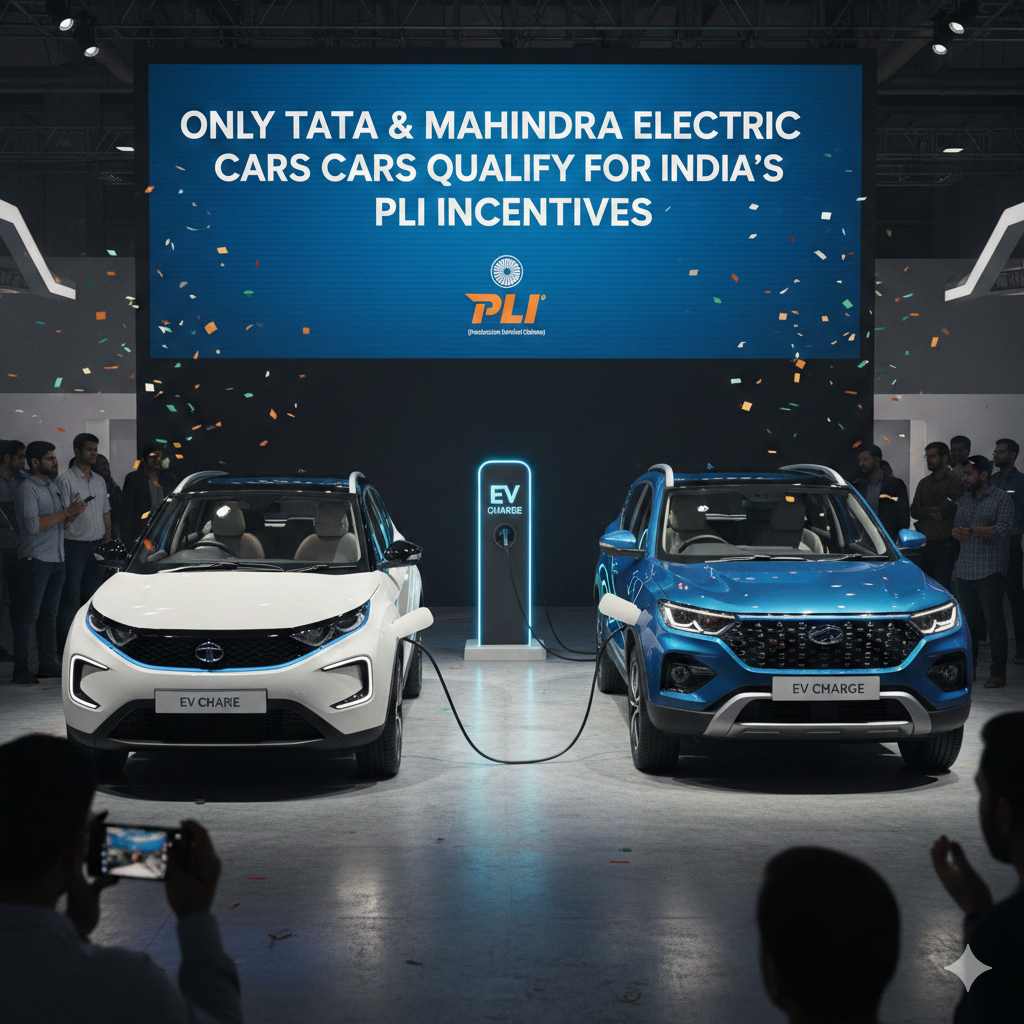
The PLI scheme, administered by the Ministry of Heavy Industries, offers lucrative financial incentives to manufacturers who achieve at least 50% domestic value addition (DVA) in their vehicles. A small concession allows the threshold to drop to 40% if battery cells are excluded from the calculation — acknowledging that cell manufacturing is still nascent in India.Yet even with this relaxation, only two home-grown manufacturers have managed to cross the line:
- Tata Motors dominates with five qualifying models:
Nexon EV, Punch EV, Harrier EV, Tiago EV, and Tigor EV. - Mahindra & Mahindra has one approved model: the recently launched XEV 9E.
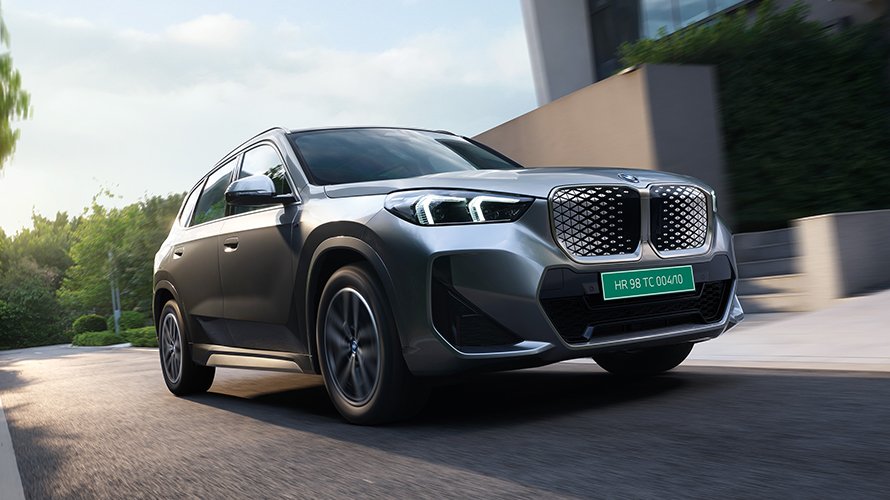
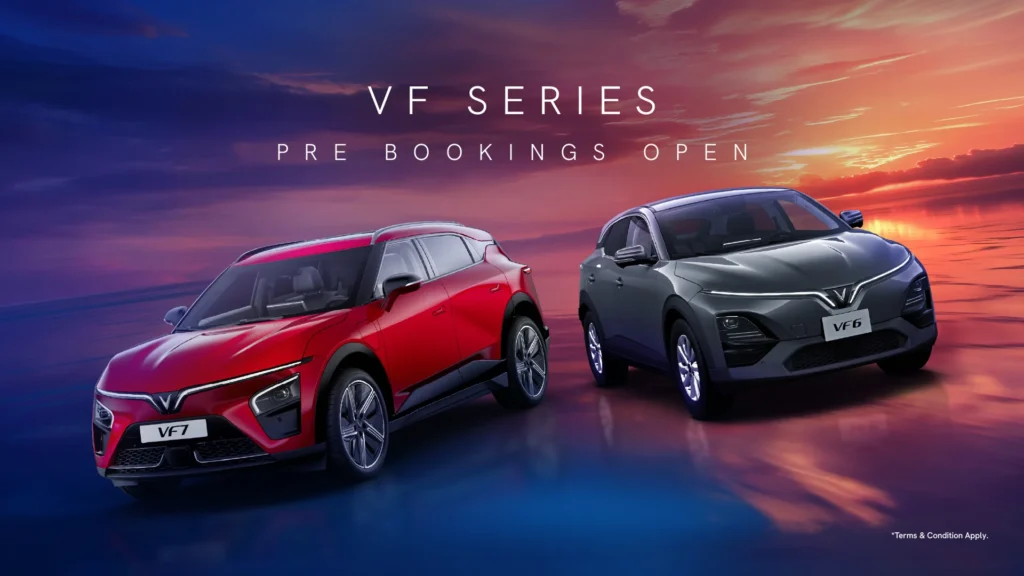
Every other brand — from mass-market players to luxury marques — remains on the wrong side of the localisation barrier:JSW MG Motor | Hyundai | Kia | BMW | Mercedes-Benz | Audi | Citroën | VinFast | Volvo | Tesla (yet to launch but already under scrutiny)Even within Tata and Mahindra, localisation is model-specific rather than brand-wide. The much-hyped Tata Curvv EV and Mahindra BE 6 — both positioned as high-volume products — do not qualify, despite sharing platforms with approved siblings.Why Is EV Hardware Still So Heavily Imported?The answer lies in the stark contrast between India’s mature internal combustion engine (ICE) ecosystem and its still-nascent EV supply chain.Decades of ICE vehicle manufacturing created a deep, multi-tier vendor base for engines, transmissions, chassis components, and body panels. The same depth simply does not exist yet for electric powertrains.A PwC study on EV component localisation paints a sobering picture of import dependence:
- Lithium-ion battery cells: Almost 100% imported, predominantly from China
- Permanent magnet traction motors: Rely on rare-earth magnets sourced overwhelmingly from China
- High-value electronics: DC-DC converters, inverters, on-board chargers, semiconductor chips, laminated stators, PCBs, connectors, contactors, and relays — mostly from China and Taiwan
While battery pack assembly has started shifting to India (thanks to plants by Exide, Amara Raja, and others), the critical cells that account for 40–50% of an EV’s cost remain foreign. Motor magnets and power electronics — another 20–25% of cost — follow the same pattern. Without a robust domestic supply of these high-value items, achieving 50% (or even 40%) localisation remains mathematically challenging for most manufacturers.
What This Means for India’s EV Ambitions
The PLI scheme was designed precisely to address this gap — to incentivise the creation of a complete Indian EV supply chain rather than mere screwdriver assembly operations. The current numbers show how far the industry still has to go.
For consumers, the immediate impact is limited: PLI incentives largely benefit manufacturers, not end buyers directly. State-level subsidies and the now-expired FAME scheme still apply to most models. But in the long run, companies that remain import-dependent risk losing out on billions in government support, potentially affecting their pricing competitiveness and investment plans in India.Tata Motors and Mahindra have stolen a decisive early lead by aggressively localising components across their portfolio. The rest of the industry — especially foreign and new-age players — now face a clear choice: invest deeply in building Indian supply chains or continue paying the price of exclusion from one of the world’s most attractive EV incentive programmes.
As India races toward its 30% electrification target by 2030, the localisation bottleneck remains the single biggest hurdle. Until the ecosystem for cells, magnets, and power electronics matures on Indian soil, the electric dream will continue to run, quite literally, on imported fuel.