
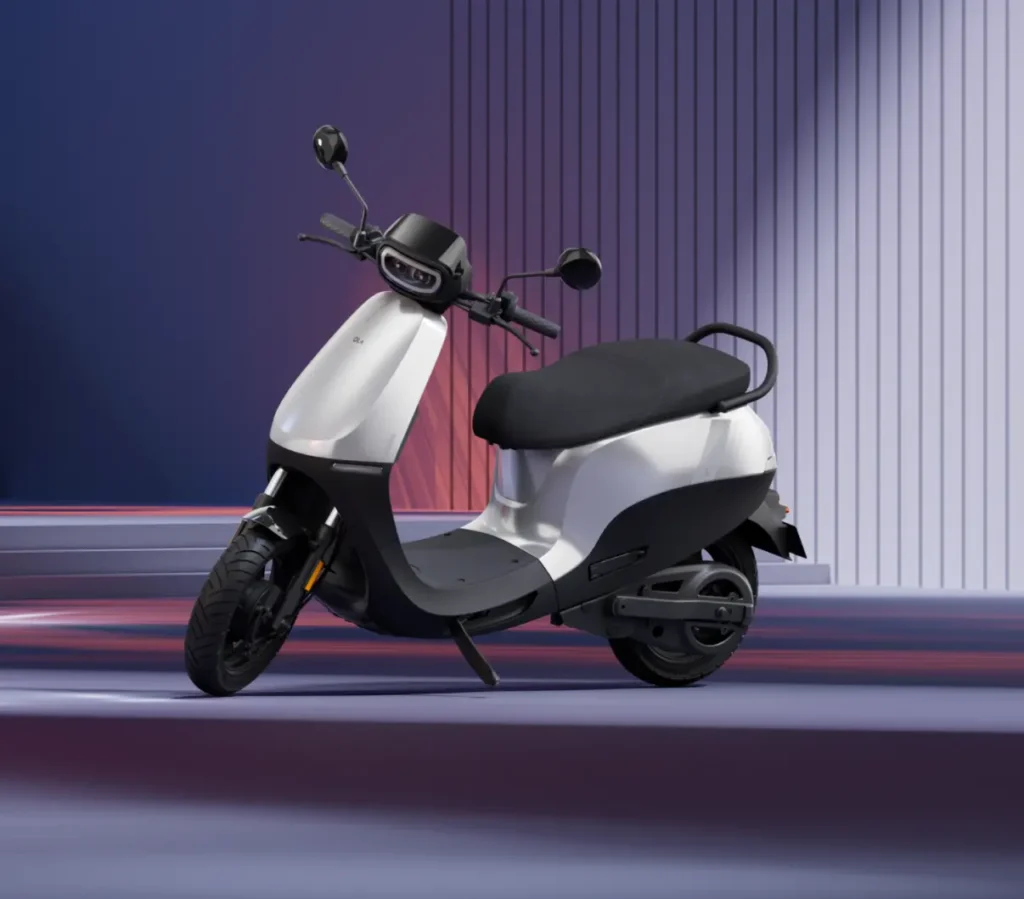
Ola Electric’s electric two-wheeler business, which had shown early signs of financial stability in the second quarter of the current financial year, has once again slipped into losses in the third quarter of FY26. The reversal comes after a sharp decline in sales volumes and revenue, highlighting ongoing operational and market challenges.
The company achieved EBITDA breakeven for the first time in the second quarter, posting a modest profit of ₹2 crore. This milestone was seen as a key step in its journey toward sustainable profitability.
However, the momentum did not last. In the third quarter of FY26, Ola Electric’s automotive segment reported a negative EBITDA of ₹83 crore, reflecting mounting pressure on its core two-wheeler business.
Financial performance weakened significantly between the two quarters:
- Q2 FY26 EBITDA: ₹2 crore (positive)
- Q3 FY26 EBITDA: -₹83 crore
- Q2 EBITDA Margin: +2%
- Q3 EBITDA Margin: -35.8%
The sharp fall in margins underscores rising costs and declining revenue, which together eroded operating efficiency during the December quarter.
According to the company, the primary reason behind the setback was a steep decline in vehicle volumes and revenue. While Ola Electric continued with its “operating model reset” aimed at improving efficiency, execution gaps in service and after-sales support hurt customer confidence.
Service-related issues affected brand perception, leading to reduced demand. As a result, revenue plunged in the third quarter, undoing the gains made earlier in the year.
Once the undisputed leader of India’s electric two-wheeler market in 2024, Ola Electric has seen its competitive position weaken. By 2025, the company had slipped to fourth place, as rivals gained ground through better reliability, dealer networks, and customer support.
This decline in market ranking reflects both intensifying competition and the impact of internal challenges on consumer trust.
The company, backed by Japan’s technology investor SoftBank Group, has invested heavily in scaling manufacturing and building its electric mobility ecosystem. While these investments helped Ola grow rapidly in earlier years, sustaining profitability has proved difficult amid changing market dynamics.
Ola Electric’s brief breakeven in Q2 demonstrated that its business model has the potential to turn profitable. However, the sharp reversal in Q3 shows that consistent execution, especially in service quality and customer engagement, remains critical.
Going forward, the company will need to focus on:
- Improving after-sales service and reliability
- Restoring customer confidence
- Stabilising sales volumes
- Controlling operating costs
Only by addressing these issues can Ola Electric return to a sustainable growth and profitability path in India’s increasingly competitive EV two-wheeler market.
If you’d like, I can also rewrite this article in a shorter news format or adapt it for social media and website publishing.