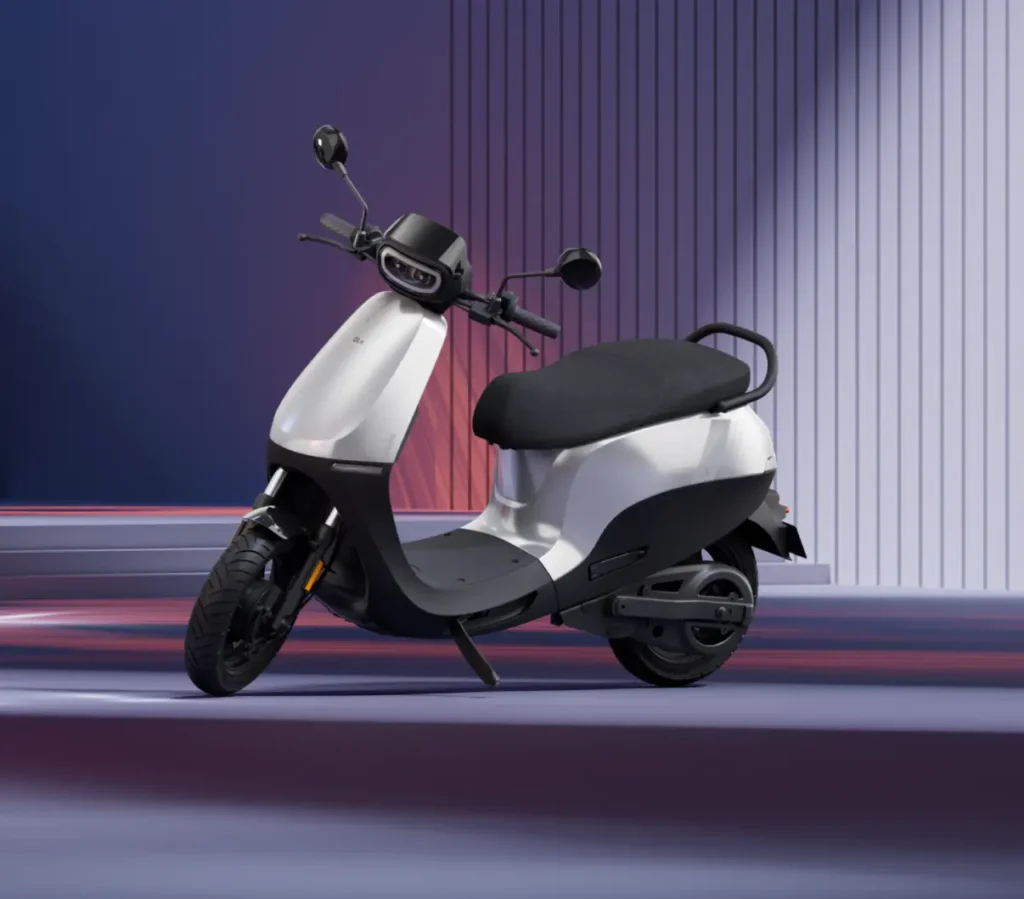
In a landmark achievement for India’s burgeoning electric vehicle (EV) ecosystem, Ola Electric has kicked off mass deliveries of its cutting-edge S1 Pro+ scooters, powered by the indigenously developed 4680 Bharat Cell battery pack. Announced on December 7, this rollout not only marks a technological milestone for the Bengaluru-based company but also positions India as a frontrunner in global EV innovation, reducing reliance on imported components and paving the way for cost-effective, high-performance mobility.
The S1 Pro+ (5.2 kWh variant) is the pioneer in Ola’s lineup to integrate this homegrown battery technology, promising enhanced range, superior performance, and bolstered safety features. Customers across the country are now zipping through city streets on these scooters, which boast an impressive 320 km range (certified under IDC with DIY mode) and blistering acceleration from 0-40 kmph in just 2.1 seconds, courtesy of a robust 13 kW motor.
Priced at ₹1,90,338 (ex-showroom), the model includes four riding modes—Hyper, Sports, Normal, and Eco—along with category-leading dual ABS and disc brakes on both wheels for unmatched braking confidence.
“Deliveries are now in full swing, and customers are proudly riding India’s first scooters powered by our own 4680 Bharat Cell. This is a big moment, not just for Ola, but for India’s journey towards becoming a global EV hub,” a company spokesperson enthused in an official statement.
The enthusiasm is palpable, building on test rides conducted nationwide in November, where early adopters experienced the scooter’s prowess firsthand.
At the heart of this launch is the 4680 Bharat Cell—a cylindrical lithium-ion powerhouse measuring 46 mm in diameter and 80 mm in height, a significant evolution from the smaller 2170 cells used previously. Dubbed the “5G of cells” by Ola co-founder Bhavish Aggarwal during its unveiling three months ago, this tabless design minimizes internal resistance, enabling faster charging, higher power output, and superior thermal management.
The cell’s higher energy density translates to longer rides without compromising on safety, addressing key pain points for urban commuters in India’s diverse climates. Ola’s vertical integration sets it apart: The company now fully owns the battery pack and cell manufacturing process in-house, a feat unmatched by any other Indian EV maker.
Produced at Ola’s Gigafactory in Krishnagiri, Tamil Nadu, the facility starts with a 1 GWh annual capacity, with ambitions to scale to 20 GWh by 2026—enough to electrify millions of vehicles annually. This “Make in India” ethos not only slashes production costs per kWh but also aligns with national goals for 30% EV adoption by 2030, especially in the two-wheeler segment that dominates 80% of the market.
The shift to indigenous cells comes at a pivotal time for Ola. Despite recent market share dips amid stiff competition from players like TVS and Bajaj, this innovation could reignite growth. Ola’s latest quarterly auto gross margins stood at 30.7%, with incentives playing a minimal role, hinting at sustainable profitability as the technology rolls out across more models.
Ola’s Broader Portfolio and the Road Ahead: The S1 Pro+ joins Ola’s expanded Gen 3 lineup, which includes variants like the S1 Pro (4 kWh and 3 kWh) priced between ₹1,24,999 and ₹1,70,338, alongside the more affordable Roadster X motorcycles starting at ₹99,999.
While the full national rollout is underway, early deliveries underscore Ola’s commitment to rapid scaling. Looking forward, this launch is more than a product debut—it’s a catalyst for India’s EV ambitions. By localizing critical supply chains, Ola is not just building scooters; it’s forging a self-reliant mobility future. As deliveries accelerate, watch for ripple effects: lower costs could democratize EVs, boost exports, and solidify India’s spot on the global stage. For those eyeing a test ride or delivery, Ola’s network of stores is buzzing with the Bharat Cell energy. The ride to a greener India has truly begun.