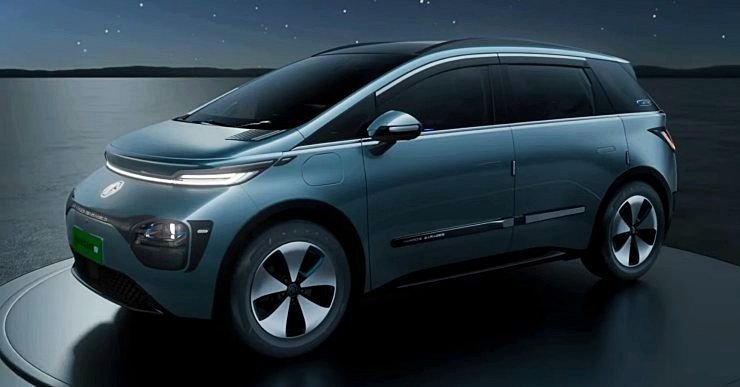
The MG Windsor EV continues to dominate India’s electric vehicle market, and its latest sales data reveals a significant shift in buying patterns. 70% of its total sales are now coming from non-metro cities and smaller towns, proving that EV adoption is no longer limited to large urban centres.
Since its launch in October 2024, the MG Windsor has recorded cumulative sales of approximately 65,000 units. Out of this, the four major metros — Delhi, Mumbai, Kolkata, and Chennai — account for just 30% of sales, while the remaining 70% is driven by buyers in tier-2 and tier-3 cities across the country.
This strong performance beyond traditional urban hubs marks a defining moment for India’s EV story. It shows that growing awareness, improving charging infrastructure, attractive pricing (including the popular Battery-as-a-Service or BaaS model), and the Windsor’s practical features are resonating deeply with customers in smaller cities.
Several factors are contributing to this impressive geographic spread:
- Affordable Ownership: The BaaS pricing brings the on-road cost down significantly (starting near ₹10 lakh in many markets), making EV ownership accessible without the full upfront battery cost.
- Practical Design & Range: With a 52.9 kWh battery offering a certified range of up to 449 km, spacious interiors, and family-friendly features, the Windsor suits real-world needs in cities where daily commutes and occasional highway runs are common.
- Rising Awareness: JSW MG Motor India has been actively expanding its dealer network and running targeted campaigns in non-metro regions, helping dispel myths around EV maintenance, range anxiety, and resale value.
- Lower Running Costs: With electricity being far cheaper than petrol or diesel, buyers in smaller towns — where fuel prices and daily travel distances matter a lot — are quickly seeing the long-term savings.
This 70:30 split is a clear departure from the traditional EV trend, where metros used to drive the majority of volumes. The MG Windsor has successfully democratised electric mobility.
The fact that nearly 7 out of 10 Windsor buyers are from outside the top four metros highlights how EV adoption is spreading rapidly and becoming mainstream across India. Smaller cities and towns are no longer just followers — they are now leading demand in many segments.
JSW MG Motor India is doubling down on this opportunity by increasing customer engagement, expanding service touchpoints, and planning more models tailored for diverse Indian needs. The company aims to leverage this momentum with the introduction of new EVs and even a plug-in hybrid later this year.
The MG Windsor’s success story proves that with the right product, pricing, and ecosystem support, EVs can thrive far beyond metropolitan areas. As charging infrastructure continues to improve on highways and in smaller cities, this trend is only expected to accelerate.
For Indian buyers in non-metro regions, the Windsor has become the go-to electric vehicle — practical, feature-rich, and genuinely affordable. Its strong sales performance is not just a win for MG; it is a powerful indicator that EV adoption is truly going pan-India.
With ~65,000 units already sold and demand remaining robust, the MG Windsor has firmly established itself as one of India’s most successful electric vehicles — and a catalyst for the next phase of the country’s electric mobility journey.