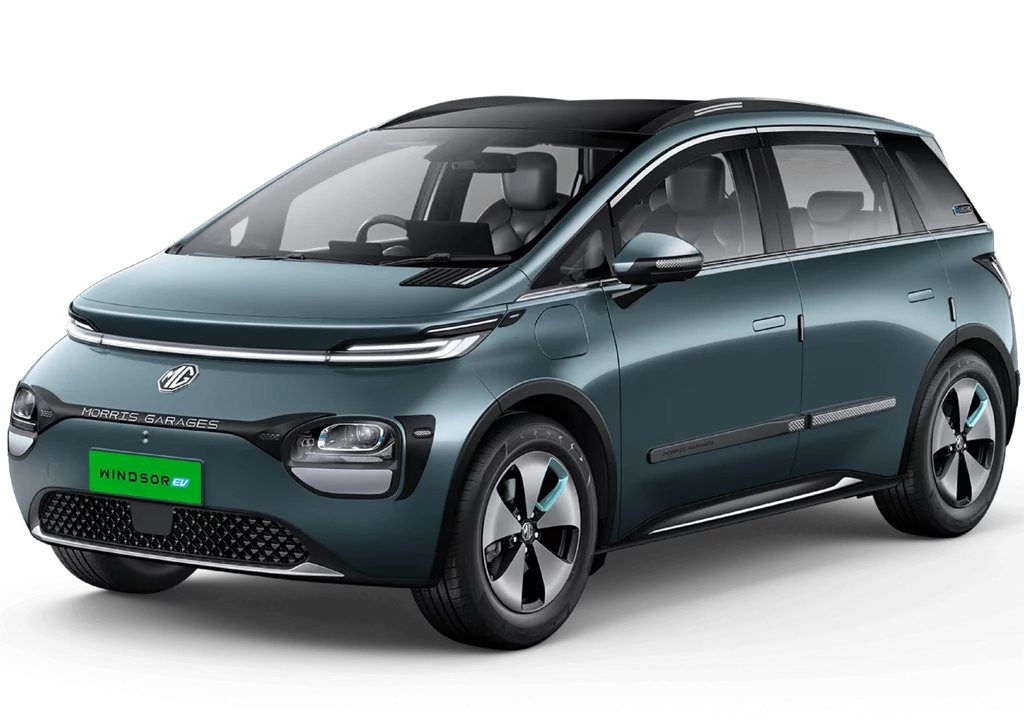
In a timely move addressing the escalating air quality crisis in India, JSW MG Motor India has announced that its entire vehicle lineup now comes equipped with advanced PM 2.5 air filters or purifiers. This upgrade aims to safeguard passengers from harmful pollutants, particularly as winter approaches and festive celebrations intensify pollution levels through firecrackers, stubble burning, and vehicular emissions. The rollout covers all MG models, including the compact Comet EV, the mid-size Astor SUV, the premium Gloster, the upcoming Windsor EV, and the ZS EV. This marks the first time the brand has standardized such technology across its portfolio, ensuring accessibility for buyers at every price segment without restricting it to higher trims, the feature was exclusive to the MG Hector, where it debuted as a dedicated air purifier complete with an integrated Air Quality Index (AQI) display. Now, with this expansion, MG is positioning itself as a leader in in-cabin health and wellness amid growing public awareness of environmental hazards.
Understanding PM 2.5 and Its Health Risks
PM 2.5—particulate matter measuring less than 2.5 microns in diameter—represents some of the most insidious air pollutants. These microscopic particles, originating from sources like vehicle exhaust, industrial fumes, construction dust, and biomass burning, can penetrate deep into the lungs and even enter the bloodstream, leading to respiratory issues, cardiovascular diseases, and long-term health complications.
India’s air quality often plummets during the Diwali season and post-harvest periods in northern states, where AQI levels frequently cross hazardous thresholds. According to recent reports, Delhi-NCR and other urban centers are bracing for another tough winter, making innovations like MG’s filtration systems not just a luxury, but a necessity for urban commuters.
How MG’s Technology WorksAt the heart of this initiative are high-efficiency PM 2.5 filters capable of capturing 95% to 99% of these fine particles, along with allergens, bacteria, pollen, smoke, soot, and dust.
The systems employ multi-layered filtration, including activated carbon elements that neutralize odors and volatile organic compounds (VOCs), ensuring a fresher and healthier cabin environment. For the MG Hector, the setup is even more sophisticated: a full-fledged air purifier integrated into the HVAC system provides real-time AQI monitoring via a dashboard display. This allows drivers and passengers to track improvements in air quality on the go, offering peace of mind during smoggy commutes
Across other models like the Astor and Gloster, the filters are seamlessly embedded into the existing climate control units, operating quietly without compromising performance or fuel efficiency. “We’re committed to making mobility not just efficient, but also safe and sustainable,” a JSW MG spokesperson stated, emphasizing the brand’s focus on customer well-being.
Broader Implications for the Auto Industry
This development comes at a pivotal moment for the Indian automotive sector, where electric and hybrid vehicles are increasingly incorporating smart health features to appeal to eco-conscious consumers. With government pushes for cleaner air under initiatives like the National Clean Air Programme, automakers are racing to integrate such technologies. MG’s move could set a new benchmark, potentially pressuring rivals like Tata Motors, Hyundai, and Maruti Suzuki to enhance their cabin filtration offerings. As stubble burning ramps up in Punjab and Haryana, and Diwali fireworks light up the skies, MG owners can now drive with one less worry. Whether navigating city traffic or embarking on family road trips, these filters promise to filter out the bad air—and let in a breath of fresh perspective on sustainable driving.Image for representation: Courtesy of JSW MG Motor India