Switching to an electric vehicle feels like a game-changer—no more fuel stops, just plug in and go. But if you’re coming from a petrol car, a few new habits make all the difference. With over 2 million EVs hitting Indian roads last year, these five simple precautions keep your battery happy, your family safe, and those garage bills low.
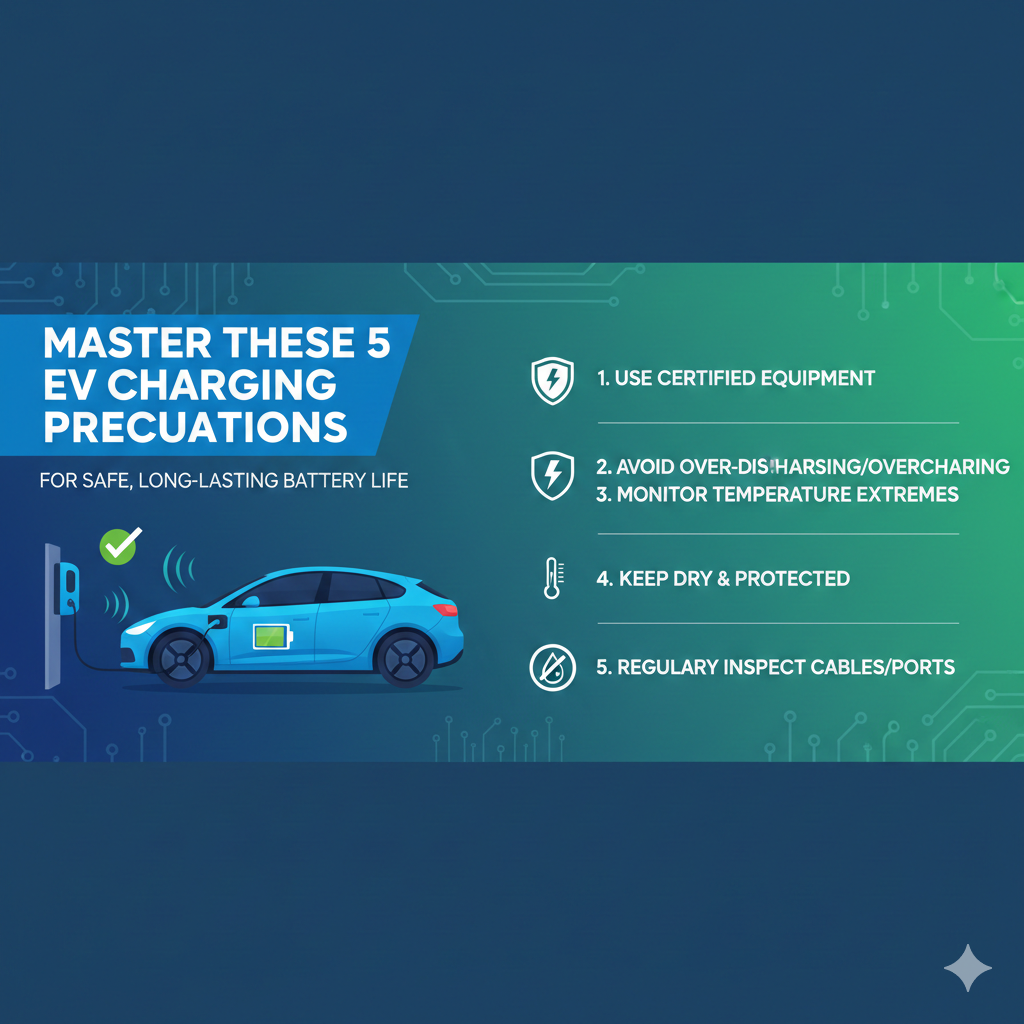
1. Stick to the 20-80% Charging Rule for Daily Use
Lithium-ion batteries in most EVs thrive when kept between 20% and 80% state of charge (SoC) for everyday driving. Regularly charging to 100% or letting the battery drop to near 0% stresses the cells, accelerating degradation over time. Aim to recharge when the battery hits around 20-30% and stop at 80% for routine top-ups. Many modern EVs let you set a charge limit in the app or vehicle settings—use it! Only go to 100% when you need the full range for a long trip, and avoid leaving it sitting fully charged for extended periods. This simple habit can significantly extend battery lifespan, preserving more capacity for years of reliable performance.
2. Prioritize Slower AC Charging Over Frequent DC Fast Charging
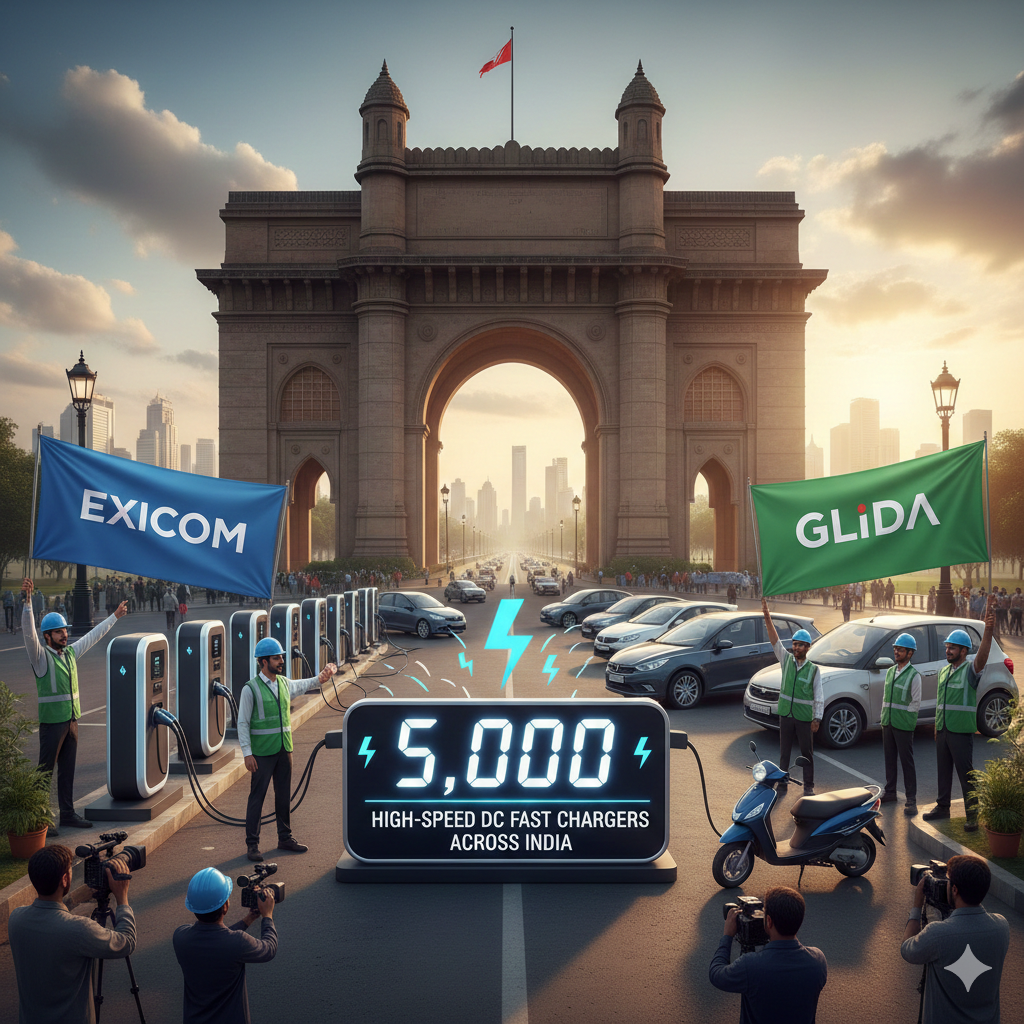
Level 1 (home socket) or Level 2 (dedicated wall charger) AC charging is gentler on the battery than DC fast chargers. Fast charging generates more heat and higher currents, which can speed up chemical wear inside the cells—especially if used daily. Reserve DC fast charging (like at public stations) for occasional needs, such as road trips. In India’s hot climate, where temperatures often exceed 40°C, excessive heat from fast charging compounds degradation. Stick to slower charging at home overnight whenever possible; it’s not only kinder to the battery but often cheaper with off-peak electricity rates.
3. Protect Your Battery from Extreme Temperatures
Heat is one of the biggest enemies of lithium-ion batteries in India. Parking in direct sunlight or charging in very hot conditions accelerates degradation, while extreme cold (though less common) can temporarily reduce efficiency. Whenever feasible, park in shaded areas, garages, or under covers. Use your EV’s preconditioning feature (if available) to cool or warm the battery before charging or driving—this helps maintain optimal temperatures. Charge in well-ventilated spaces to avoid heat buildup, and follow manufacturer guidelines for temperature limits during charging sessions.
4. Use Certified Chargers and Inspect Equipment Regularly
Always use BIS-certified chargers and cables recommended by your EV manufacturer to ensure compatibility and safety. Damaged cables, dirty connectors, or incompatible equipment can cause inefficient charging, overheating, or even hazards. Before plugging in, do a quick visual check: look for frayed wires, bent pins, or debris on the plug. At public stations, choose reputable networks with maintained equipment. Many EVs have built-in protections like residual current devices, but personal vigilance prevents issues. Regular home charger maintenance keeps everything running smoothly and safely.
5. Charge Regularly and Follow Manufacturer Recommendations
Unlike petrol cars, EVs benefit from consistent, partial charging rather than waiting until nearly empty. Regular top-ups prevent deep discharges that strain the battery. Plug in daily or as needed, even if only for a small boost—overnight home charging is ideal. Stay on top of software updates from your manufacturer, as they often optimize battery management. Schedule periodic service checks to monitor battery health via the onboard diagnostics. If storing the EV for long periods, keep it plugged in at around 50% charge to minimize self-discharge.
By adopting these precautions, you’ll maximize your EV battery’s longevity—often lasting 8-10 years or 1.5-2 lakh kilometers with minimal capacity loss—while ensuring safe, worry-free driving. Small changes in charging habits pay off big in reduced degradation, better range retention, and lower long-term ownership costs. Drive electric smartly, and enjoy the ride!