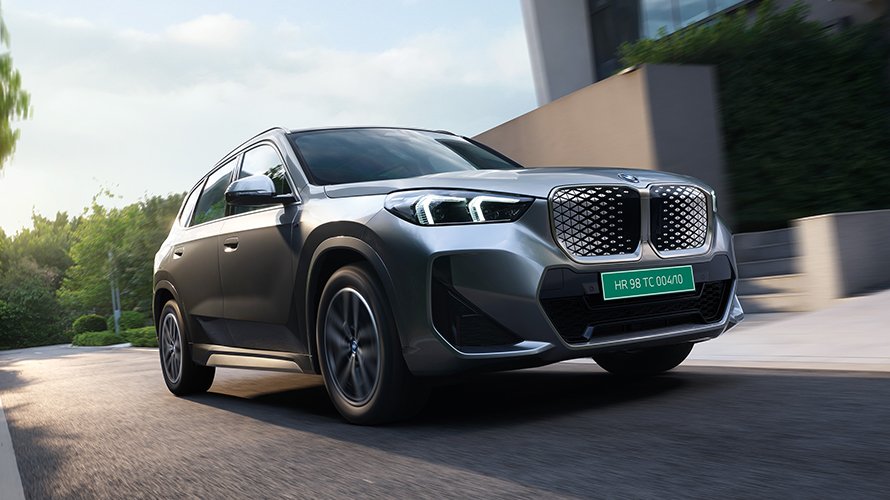
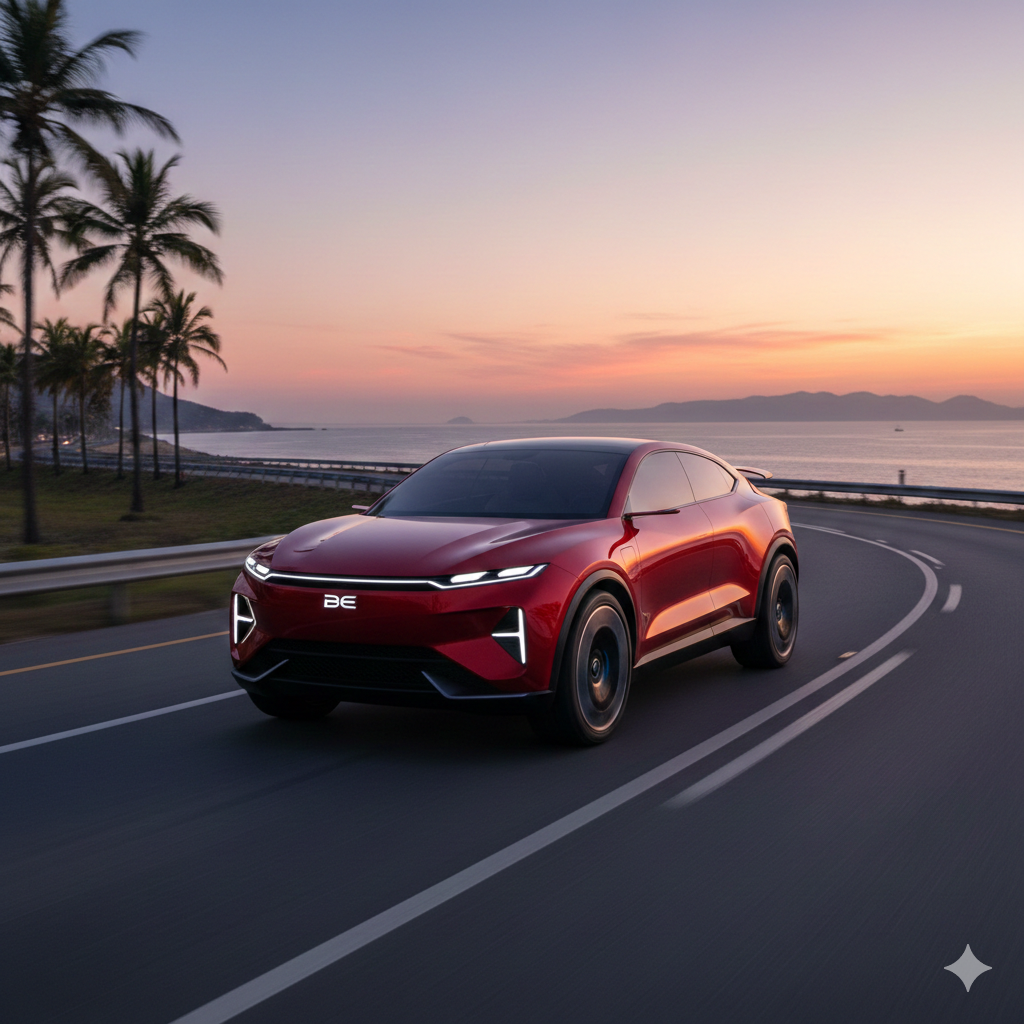
In the rapidly evolving world of electric vehicles, India’s family-oriented buyers now have more choices than ever for spacious, eco-friendly rides. Mahindra has just thrown its hat into the ring with the launch of the XEV 9S, its latest all-electric 7-seater SUV, priced aggressively starting at Rs 19.95 lakh (ex-showroom). Available in six variants, this bold entrant is built on Mahindra’s dedicated INGLO skateboard platform, promising superior space, performance, and safety. It directly challenges the Kia Carens Clavis EV, Kia’s versatile electric MPV that debuted earlier this year as a practical, feature-packed option for urban families and long hauls, starting at Rs 17.99 lakh.
Both vehicles cater to the growing demand for affordable, multi-purpose EVs that can seat seven without compromising on range or comfort. But how do they stack up? Let’s dive into a detailed comparison across key aspects—starting with the powertrain and battery, then moving to range, performance, features, and pricing—to help you decide which one fits your lifestyle best.
Battery and Powertrain: Mahindra’s Edge in Versatility
The foundation of any EV is its battery and power delivery, and here, the XEV 9S flexes its muscles with greater flexibility. Mahindra offers three battery pack options: 59 kWh, 70 kWh, and 79 kWh, catering to different budgets and needs. The 59 kWh unit pumps out a peak power of 170 kW (228 bhp), the mid-tier 70 kWh ups it to 180 kW (241 bhp), and the top 79 kWh variant delivers a whopping 210 kW (282 bhp). All packs pair with a single rear-mounted electric motor producing 380 Nm of torque, ensuring instant acceleration and smooth highway merges.In contrast, the Kia Carens Clavis EV keeps things simpler with two battery choices: a 42 kWh standard pack and a 51.4 kWh extended-range (ER) option. Power output hovers around 120 kW (160 bhp) with 283 Nm of torque across both, making it competent for city duties but less punchy than the XEV 9S’s higher-end setups. Kia’s focus is on efficiency for everyday use, with a front-mounted motor driving the wheels.
| Aspect | Mahindra XEV 9S | Kia Carens Clavis EV |
|---|---|---|
| Battery Options | 59 kWh, 70 kWh, 79 kWh | 42 kWh, 51.4 kWh |
| Peak Power | 170-210 kW (228-282 bhp) | 120 kW (160 bhp) |
| Torque | 380 Nm (all variants) | 283 Nm (all variants) |
| Motor Layout | Single rear-motor | Single front-motor |
Verdict: If you crave power and scalability, the XEV 9S wins with its larger batteries and higher outputs. Kia’s setup suits budget-conscious buyers who prioritize simplicity over raw performance.
Range and Efficiency: Kia’s Claim to Long-Haul Fame
Range anxiety is a real concern for 7-seater EVs loaded with family gear, and both vehicles address it admirably—though with different emphases. The XEV 9S’s 79 kWh pack claims up to 656 km (ARAI-certified), dropping to around 500 km for the 59 kWh variant, thanks to its aerodynamic design and efficient INGLO platform. Real-world figures could hover around 450-550 km, bolstered by regenerative braking and a low drag coefficient.T
he Carens Clavis EV shines in this department with its 51.4 kWh battery offering a claimed 490 km range, while the 42 kWh version manages 404 km. Kia’s engineering, borrowed from the Hyundai Creta EV platform, emphasizes energy efficiency, potentially edging out the XEV 9S in mixed city-highway cycles. Both support fast DC charging: the XEV 9S from 20-80% in about 20 minutes on a 175 kW charger, and the Clavis EV in 39 minutes (10-80%) on a 100 kW unit.
| Aspect | Mahindra XEV 9S | Kia Carens Clavis EV |
|---|---|---|
| Claimed Range | 450-656 km (ARAI) | 404-490 km (ARAI) |
| DC Fast Charging | 20-80% in ~20 min (175 kW) | 10-80% in ~39 min (100 kW) |
| Efficiency Focus | Platform rigidity for stability | Aerodynamic wheels for urban efficiency |
Verdict: The XEV 9S takes the crown for maximum range in its top spec, ideal for inter-city trips. However, the Clavis EV’s consistent efficiency makes it a safer bet for frequent short charges.
Performance and Driving Dynamics: Power vs Practicality
Acceleration is where the XEV 9S pulls ahead dramatically. The top variant sprints from 0-100 kmph in just 7 seconds, rivaling premium SUVs, while the base 59 kWh model takes 7.7 seconds. Its 205 mm ground clearance (222 mm battery clearance) and SUV-like stance ensure confident handling on rough Indian roads, with air suspension on higher trims for a plush ride. The Carens Clavis EV, with its MPV roots, prioritizes comfort over sportiness, hitting 0-100 kmph in about 9.5 seconds. It offers a more van-like driving position with 190 mm ground clearance, excelling in urban maneuverability thanks to a tighter turning radius. Both feature drive modes (Eco, Normal, Sport) and regenerative paddles, but the XEV 9S’s rear-drive layout promises more engaging dynamics.Verdict: Thrill-seekers and highway warriors will love the XEV 9S’s pep. Families seeking a relaxed, space-efficient drive might prefer the Clavis EV’s forgiving nature.
Features and Comfort: Tech-Loaded Cabins for Family Bliss
Both SUVs pamper with premium interiors, but Mahindra leans into innovation. The XEV 9S boasts a triple 12.3-inch screen setup (infotainment, cluster, passenger display), a 16-speaker Harman Kardon audio system, panoramic sunroof, ventilated “Power Boss” front seats (with memory for the passenger), and sliding second-row captain seats for flexible 7-seater (or 5+ boot) configurations. Safety includes up to 7 airbags, Level 2+ ADAS (with blind-view monitoring), and a 360-degree camera. Unique touches like camp mode (for outdoor power) and a frunk add practicality.Kia counters with a 12.3-inch dual-screen setup, wireless Android Auto/Apple CarPlay, ambient lighting, roof-integrated rear AC vents, and a panoramic sunroof. Its Level 2 ADAS suite (20 features, including smart cruise control) is robust, and the cabin offers three-point belts for all rows plus Vehicle-to-Load (V2L) tech for powering gadgets. The Clavis EV’s 25L frunk and 7-seater layout emphasize versatility, though third-row access is easier in its sliding-door-inspired design.
| Aspect | Mahindra XEV 9S | Kia Carens Clavis EV |
|---|---|---|
| Infotainment | Triple 12.3-inch screens | Dual 12.3-inch screens |
| Audio | 16-speaker Harman Kardon | 8-speaker Bose |
| Seating Flexibility | Sliding 2nd row, foldable 3rd | Fixed 7-seater, easy 3rd-row access |
| ADAS Level | Level 2+ (enhanced braking) | Level 2 (20 features) |
Verdict: The XEV 9S feels more futuristic with its multi-screen and audio prowess, but the Clavis EV’s intuitive Kia Connect app and V2L give it an edge in connected convenience.
Pricing and Variants: Value for Money
Mahindra’s six variants (Pack One to Pack Three Above) span Rs 19.95 lakh to Rs 29.45 lakh, offering tiered upgrades in battery, features, and luxury. This makes the base model a steal for entry-level buyers.Kia prices its four variants (HTK+ to HTX+ ER) from Rs 17.99 lakh to Rs 24.49 lakh, undercutting the XEV 9S on affordability while including the ER battery in mid-trims for just Rs 50,000 more.
| Variant Range | Mahindra XEV 9S (ex-showroom) | Kia Carens Clavis EV (ex-showroom) |
|---|---|---|
| Base | Rs 19.95 lakh (59 kWh) | Rs 17.99 lakh (42 kWh) |
| Top | Rs 29.45 lakh (79 kWh) | Rs 24.49 lakh (51.4 kWh) |
| Key Variants | 6 (battery-focused packs) | 4 (HTK+, HTX, HTX ER, HTX+ ER) |
Verdict: The Clavis EV wins on sticker price, but the XEV 9S justifies its premium with superior specs in higher trims.
Final Thoughts: Which One Should You Choose?
The Mahindra XEV 9S bursts onto the scene as a feature-rich powerhouse, ideal for families craving SUV ruggedness, blistering performance, and expansive range in a true born-electric package. It’s the choice for those ready to invest in future-proof tech and bold styling.On the flip side, the Kia Carens Clavis EV embodies accessible electrification—efficient, comfortable, and wallet-friendly—perfect for urban dwellers prioritizing value and seamless daily usability without the frills.With test drives for the XEV 9S starting December 5, 2025, and bookings open from January 14, 2026, now’s the time to experience both. Whichever you pick, these EVs signal an exciting shift: seven seats of sustainable family adventure are here to stay.