The Indian electric two-wheeler (E2W) segment has undergone a dramatic transformation. Legacy manufacturers—TVS Motor, Bajaj Auto, and Hero MotoCorp—have surged ahead, capturing a commanding 60% market share as of January 2026. This marks a sharp reversal from the startup-led disruption that defined the early years of EV adoption in this category.
According to data from automotive research firm Jato Dynamics, the combined share of these three established players rose from just 34% in 2023 to 60% by the start of 2026. Breaking it down:
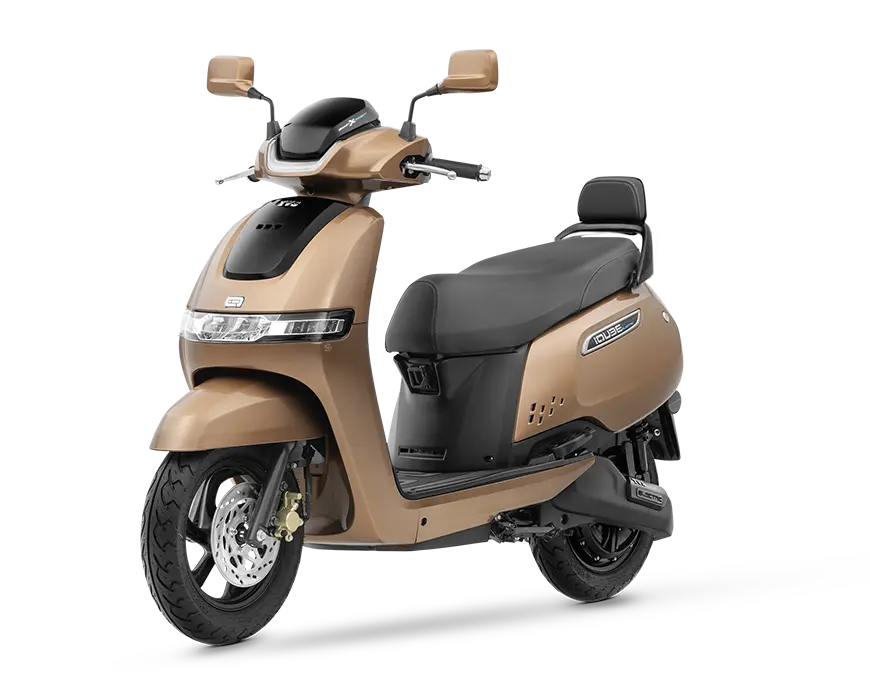
- TVS Motor leads with approximately 28% market share, driven by strong sales of models like the iQube and the more affordable Orbiter.
- Bajaj Auto follows closely at around 21%, bolstered by the evolving Chetak lineup, including recent affordable variants like the Chetak C25.
- Hero MotoCorp holds about 11% through its Vida brand, which has shown explosive growth in recent months.
In stark contrast, their respective shares in 2023 were much lower: TVS at 22%, Bajaj at 10%, and Hero at a mere 2%. This shift highlights how the market has moved from aggressive, price-driven expansion by newcomers to a phase of consolidation favoring scale, reliability, and operational execution.
Why Legacy Players Are Winning
Legacy brands invested early in building robust supply chains, expanding dealer networks, and enhancing service infrastructure tailored to electric vehicles. While startups initially captured attention with innovative designs and aggressive pricing, challenges such as service reliability, after-sales support, and production scaling have eroded their edge.
In January 2026 alone, total E2W registrations reached around 1,22,000–1,22,500 units, with TVS topping the charts at over 34,000 units, followed by Bajaj at roughly 25,500 units. This reflects not just volume growth but also consumer preference shifting toward trusted names with widespread presence and proven dependability.
The competition has evolved from rapid, disruption-focused growth to a battle centered on portfolio depth, manufacturing stability, and superior customer experience. Established players can now leverage economies of scale to offer competitive pricing, better warranties, and more reliable products.
Future Outlook: Scale Favors the Big Players
Ravi Bhatia, President of Jato Dynamics, emphasized that the next phase of growth in India’s E2W market will increasingly favor scale players. Large OEMs benefit from sourcing efficiencies, vertical integration, and the ability to absorb cost increases without severely impacting margins.
A key upcoming factor is the anticipated ABS (Anti-lock Braking System) mandate for all new two-wheelers, expected to take effect from January 2026. This safety regulation—already mandatory for higher-capacity models—will extend to entry-level scooters and motorcycles, inevitably raising production costs due to added hardware and calibration.
Legacy manufacturers are better positioned to handle this through their massive volumes, established supplier relationships, and R&D capabilities. Startups and smaller players, already facing margin pressures from competition and service issues, could find it harder to adapt without significant financial strain.
The Road Ahead
India’s electric two-wheeler market continues to expand rapidly, now accounting for a growing portion of overall two-wheeler sales. With legacy brands firmly in control, the segment is maturing into a more stable, consumer-trusted space. As regulations tighten and infrastructure improves, the focus will shift further toward quality, range, charging convenience, and long-term ownership value.
This consolidation phase signals the end of unchecked startup dominance and the rise of a more sustainable, execution-driven EV ecosystem—led by the very incumbents many once thought would be disrupted. For buyers, it means greater choice from reliable brands, while the industry braces for the next wave of innovation amid stricter norms and intensifying competition.