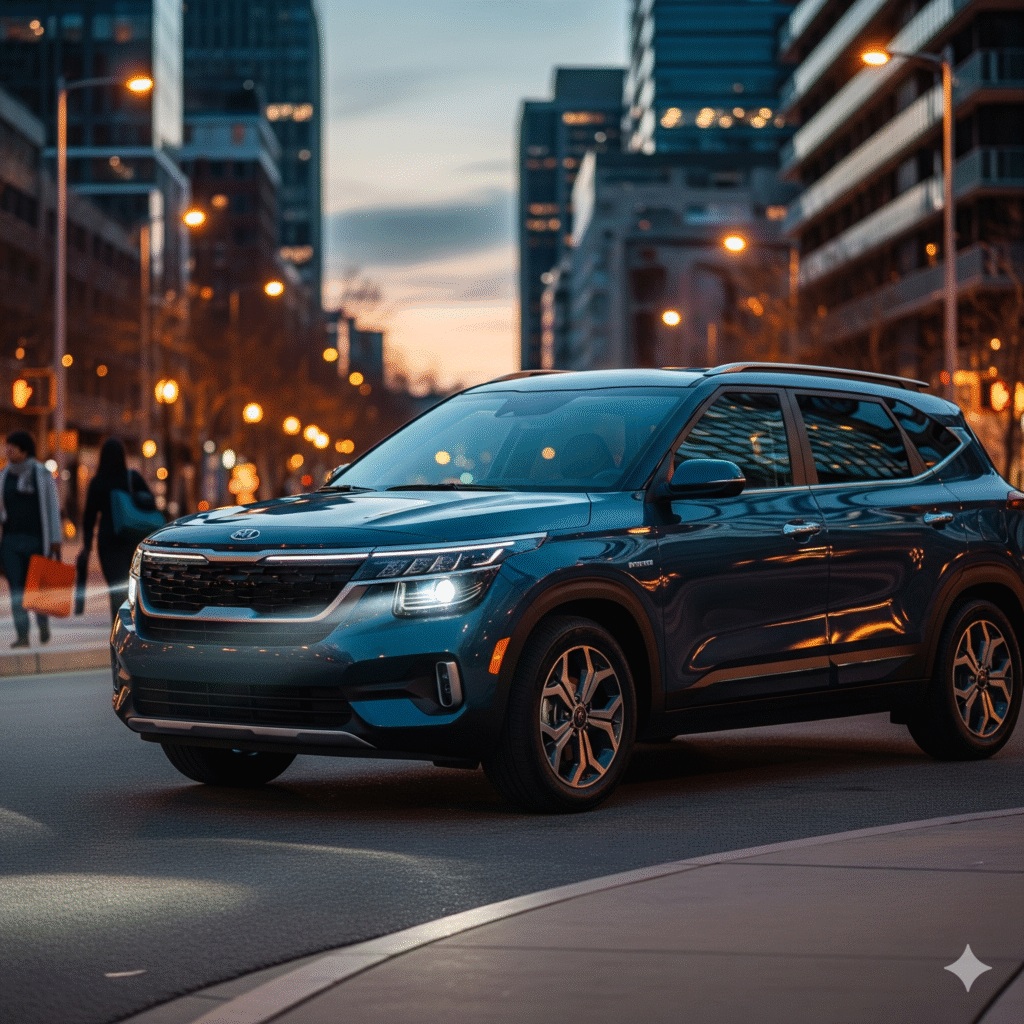
In a move that’s set to redefine Kia’s compact SUV lineup, the South Korean automaker is gearing up for the global debut of the second-generation Seltos on December 10, 2025, in its home market. For Indian enthusiasts, the wait won’t be too long—the refreshed model is slated for a local launch in early 2026, promising to build on the massive success of its predecessor. Since hitting Indian roads in August 2019, the first-gen Seltos has been a runaway hit, consistently ranking among Kia’s top sellers with over 200,000 units dispatched annually at its peak. This update isn’t just a facelift; it’s a comprehensive overhaul featuring a new platform, bold design cues, and—most excitingly—a strong-hybrid powertrain option that could position the Seltos as a frontrunner in the electrified SUV segment.
A Legacy of Success and the Need for Reinvention
The original Seltos burst onto the scene as Kia’s ticket to the premium compact SUV arena, blending sharp styling, feature-packed cabins, and competitive pricing into a package that resonated with urban millennials and families alike. Priced starting from around ₹10.9 lakh, it quickly outpaced rivals like the Hyundai Creta—its corporate cousin—and carved out a loyal following with its turbo-petrol punch and diesel torque. However, six years on, the segment has evolved rapidly. Electrification mandates, stricter emission norms, and shifting consumer preferences toward greener mobility have pushed Kia to accelerate its innovation timeline.Enter the second-gen Seltos: a bolder, bigger, and brainier evolution. Built on an all-new platform—likely an enhanced version of Kia’s E-GMP architecture tailored for hybrids—the SUV is expected to grow in dimensions, offering more cabin space and a sturdier stance for highway prowess.
Spy shots leaked recently reveal a striking exterior redesign, with sleeker LED headlamps, a more aggressive tiger-nose grille, and sculpted flanks that echo the brand’s EV6 and Sportage models. Inside, the cabin gets a high-tech makeover, including dual 12.3-inch digital displays, ambient lighting, and advanced driver-assistance systems (ADAS) as standard across variants. These upgrades aren’t mere cosmetics; they’re designed to future-proof the Seltos against a market increasingly dominated by connected, semi-autonomous vehicles.
The Hybrid Heart: Efficiency Meets Accessibility
At the core of the buzz surrounding this launch is the introduction of a strong-hybrid powertrain—a full-hybrid setup pairing a 1.5-litre petrol engine with an electric motor for seamless torque delivery and superior fuel economy. While exact specs remain under wraps, insiders hint at a combined output exceeding 140hp, with mileage figures potentially touching 25-28 kmpl in city conditions, a significant leap from the current model’s 18-20 kmpl.
This hybrid won’t replace the familiar 1.5-litre naturally aspirated petrol and diesel engines; instead, it’ll slot in as a premium choice, likely commanding a ₹2-3 lakh premium over base variants. For Kia, this is a strategic masterstroke. The strong-hybrid bridges the chasm between traditional internal combustion engines (ICE) and full battery-electric vehicles (BEVs), appealing to buyers wary of EV infrastructure limitations like charging times and range anxiety. In India’s congested metros, where stop-go traffic devours fuel, the Seltos hybrid could deliver real-world savings without compromising on performance—think instant electric boost for overtakes and silent EV-only cruising in traffic.
Squaring Off Against the Hybrids: A Competitive Edge
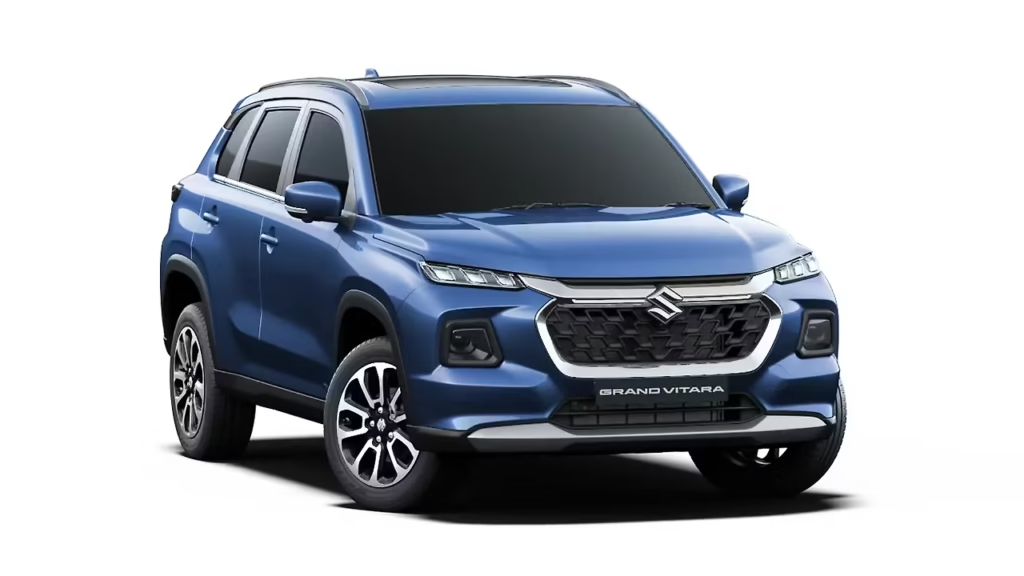
The timing couldn’t be better for Kia. The Indian hybrid SUV market is heating up, led by Toyota’s Urban Cruiser Hyryder and Maruti Suzuki’s Grand Vitara—strong-selling siblings that have cumulatively moved over 50,000 units since their 2022 debut. These models have proven that hybrids can thrive in a diesel-loving nation, offering 25+ kmpl efficiency and tax incentives under government green policies. Priced from ₹16 lakh, they’ve captured eco-conscious buyers seeking a middle ground between ₹10-lakh petrol runabouts and ₹30-lakh-plus EVs.
A hybrid Seltos would directly challenge this duo with Kia’s signature flair: sharper dynamics, a more upscale interior, and potentially faster charging via regenerative braking. For diesel die-hards and budget shoppers, the retained 1.5-litre options (with mild-hybrid assists for better refinement) ensure broad appeal, keeping entry prices accessible around ₹11-12 lakh. This multi-pronged approach could help Kia reclaim segment leadership, especially as competitors like the upcoming Hyundai Creta facelift and Tata Nexon EV variants intensify the rivalry.
Looking Ahead: Kia’s Bet on Balanced Mobility
As December approaches, anticipation is building for what could be Kia’s most pivotal reveal since the EV6. The second-gen Seltos isn’t just an update—it’s a statement of intent, blending heritage with forward-thinking tech to cater to a diversifying buyer base. Whether you’re a city commuter eyeing hybrid perks or a road-tripper loyal to diesel grunt, this Seltos promises something for everyone.
With India’s SUV market projected to hit 3 million units by 2026, Kia’s gamble on hybridization feels prescient. Will it propel the Seltos back to sales supremacy? Only time—and those December spotlights—will tell. Stay tuned for live updates from the unveil.