In a landmark achievement that underscores the accelerating shift toward sustainable transportation in India, JSW MG Motor India has crossed the 100,000 electric vehicle (EV) sales threshold. This feat positions the joint venture as the second four-wheeler manufacturer in the country to reach this milestone, trailing only the dominant Tata Motors. The announcement, made just a day after the symbolic 100,000th vehicle rolled off the assembly line on November 3, highlights the surging popularity of EVs amid government incentives, falling battery costs, and a burgeoning consumer appetite for eco-friendly rides.The milestone is more than just a numbers game—it’s a testament to the evolving landscape of India’s automotive sector. For JSW MG Motor India, a partnership between the SAIC-owned MG Motor and the diversified JSW Group, electric vehicles now dominate its portfolio, comprising over 70% of monthly sales. This strategic pivot from traditional internal combustion engines to battery-powered alternatives has not only boosted revenues but also cemented the company’s reputation as a forward-thinking player in the green mobility space.
A Meteoric Rise Amid Fierce Competition
JSW MG’s journey to 100,000 EVs has been nothing short of meteoric. At the dawn of 2024, the company commanded a modest 26% share of the EV market. Fast-forward to today, and that figure has swelled to 35%, reflecting aggressive expansion, innovative product launches, and savvy marketing. The growth comes at a time when the Indian EV market is heating up, with new entrants like Hyundai, Mahindra, and even luxury brands like Mercedes-Benz vying for a slice of the pie. Historically, Tata Motors enjoyed near-monopolistic control over India’s passenger EV segment, thanks to early movers like the Nexon EV and Tigor EV. However, JSW MG’s entry has disrupted this status quo. By blending British design heritage with Chinese manufacturing prowess and Indian localization, the company has delivered affordable, feature-rich EVs tailored to urban Indian buyers. “This milestone is a proud moment for us and our customers who are leading the charge toward a cleaner future,” said Parth Jindal, Managing Director of JSW MG Motor India, in a statement. “It’s proof that electric mobility isn’t just viable—it’s the future.”
The Star of the Show: Windsor EV Takes Center Stage
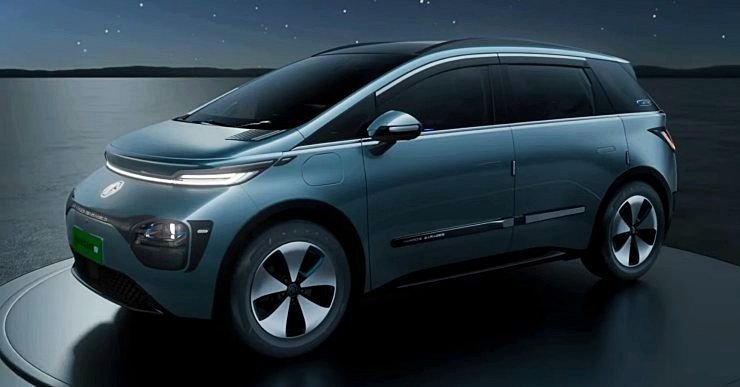
At the heart of this success story is the Windsor EV, JSW MG’s latest crossover utility vehicle (CUV) that blends style, space, and sustainability. Launched in September 2025, the Windsor has quickly become the brand’s bestseller, accounting for approximately 30% of total EV wholesale sales in October alone. With its sleek aerodynamic profile, premium interiors, and a claimed range of over 400 km on a single charge, the Windsor appeals to families and young professionals alike. Bookings for the Windsor have been explosive, averaging 200 units per day since its debut—a figure that rivals even established models from competitors. Priced competitively starting at ₹14.5 lakh (ex-showroom), it undercuts rivals like the Tata Curvv EV while offering advanced features such as ADAS (Advanced Driver Assistance Systems), a panoramic sunroof, and ultra-fast charging capabilities. “The Windsor isn’t just a car; it’s a lifestyle statement,” noted automotive analyst Vinay Piparda. “Its success shows Indian consumers are ready for EVs that don’t compromise on comfort or convenience.”This performance has ripple effects across JSW MG’s lineup. Other hits like the ZS EV and Comet EV continue to contribute, but the Windsor’s momentum has propelled the company past the psychological barrier of 100,000 units. In October, total EV dispatches surged 45% year-on-year, outpacing the industry’s 30% growth rate.
Broader Implications for India’s EV Ecosystem
JSW MG’s triumph arrives against a backdrop of robust policy support from the Indian government. Initiatives like the FAME-III scheme, production-linked incentives (PLI), and reduced GST on EVs have lowered entry barriers and spurred infrastructure development. With over 10,000 public charging stations now operational and plans for 100,000 more by 2026, range anxiety—a perennial EV deterrent—is fading fast.Yet challenges remain. Supply chain disruptions for lithium-ion batteries and intensifying price wars could test the sector’s resilience. For JSW MG, the road ahead involves scaling up its Chakan plant in Maharashtra to meet demand, investing in R&D for solid-state batteries, and expanding its dealer network to Tier-2 and Tier-3 cities.As India aims for 30% EV penetration by 2030, JSW MG’s milestone serves as a beacon. It signals not just corporate ambition but a societal embrace of electric mobility—one that promises reduced emissions, lower running costs, and energy independence. With the Windsor EV leading the charge, JSW MG isn’t just keeping pace; it’s setting the throttle for the next leg of India’s electrified journey.