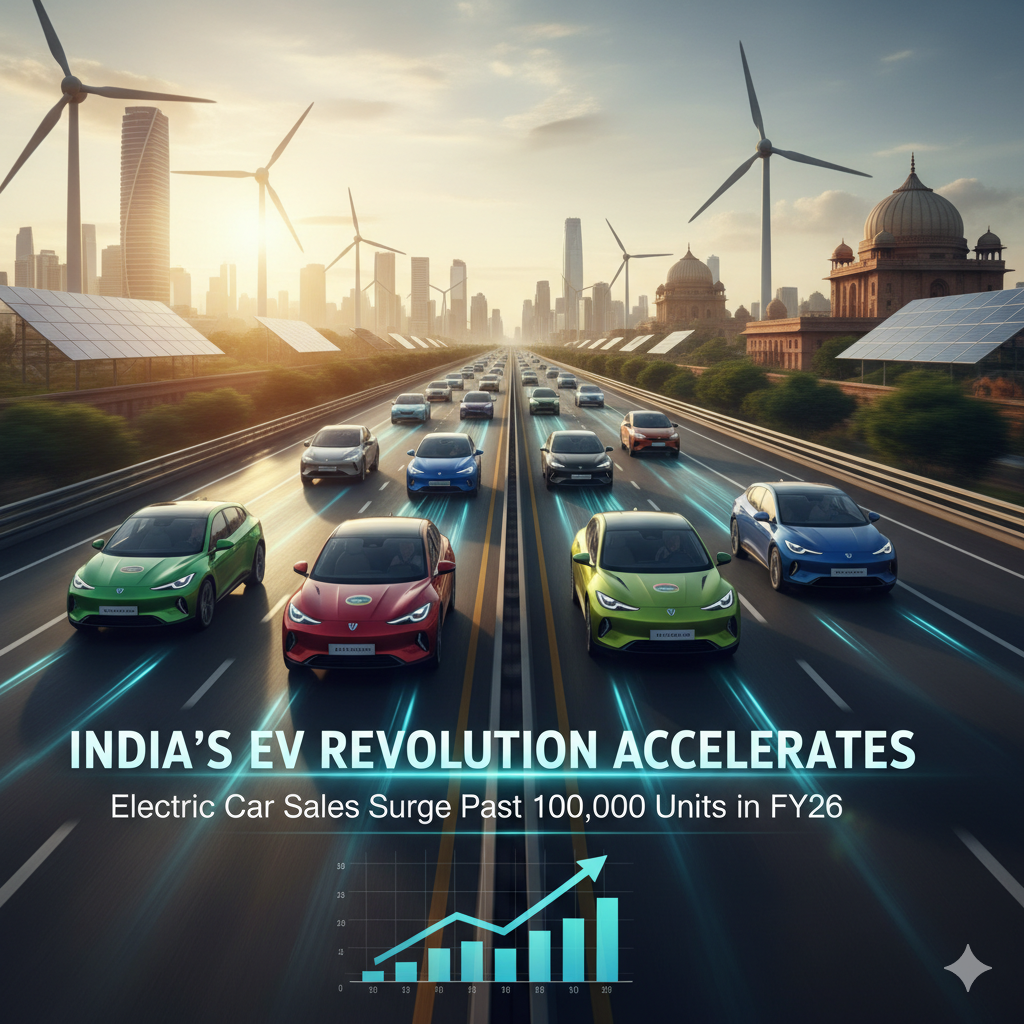
India’s electric vehicle (EV) revolution has hit a major milestone. Electric car (e-4W) sales in India have officially surged past the 100,000-unit mark in the current fiscal year (FY 2025-26), achieving this feat in just the first seven months.The latest industry data reveals that a total of 119,332 electric cars were registered between April and October 2025. This explosive growth not only highlights a massive shift in consumer preference but also means this year’s sales have already eclipsed the entire previous fiscal year’s total of 117,072 units.
Historic Growth: EV Sales More Than Double
The growth metrics are staggering. The 119,332 units sold represent a phenomenal 105.37% year-on-year (YoY) growth compared to the same period in FY 2024-25, when only 58,104 electric cars were sold.This surge has significantly boosted the EV market penetration in the passenger vehicle segment. Electric cars now account for 4.6% of all passenger vehicles sold in India this fiscal year, more than doubling the 2.1% market share recorded in the same period last year.
| Metric | April-Oct 2024 | April-Oct 2025 | YoY Growth |
|---|---|---|---|
| Total e-4W Sales (Units) | 58,104 | 119,332 | 105.37% |
| Market Share in PVs | 2.1% | 4.6% | +119% |
| Full FY24-25 Total | 117,072 | (Ongoing) | N/A |
This table underscores the rapid acceleration, with EVs transitioning from a niche offering to a mainstream choice amid rising fuel prices, environmental awareness, and supportive policies.The “Big Three”: Tata, MG, and Mahindra Dominate 88% of the MarketThe electric car market remains consolidated, with three key players commanding the vast majority of sales.
- Tata Motors: Continues to lead the pack, holding the largest market share at 37.7%.
- JSW MG Motor: Has secured the second spot with a 28.7% market share.
- Mahindra: Sits in third place with a 21.5% market share.
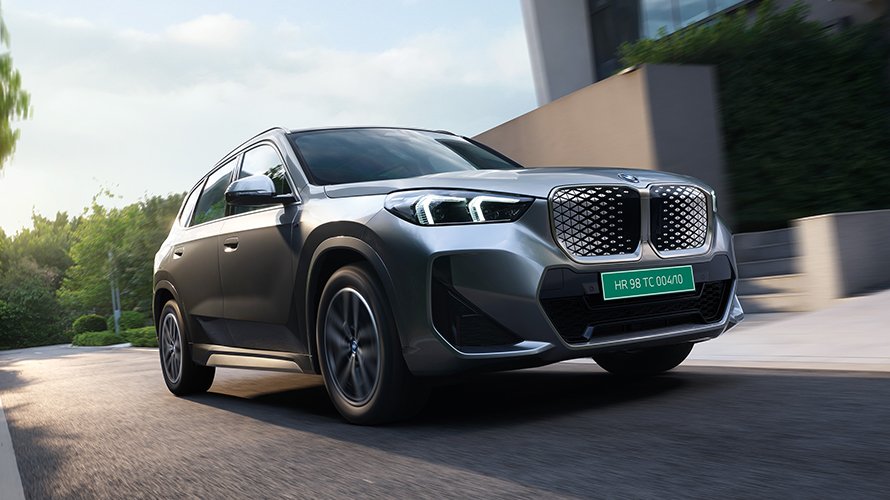
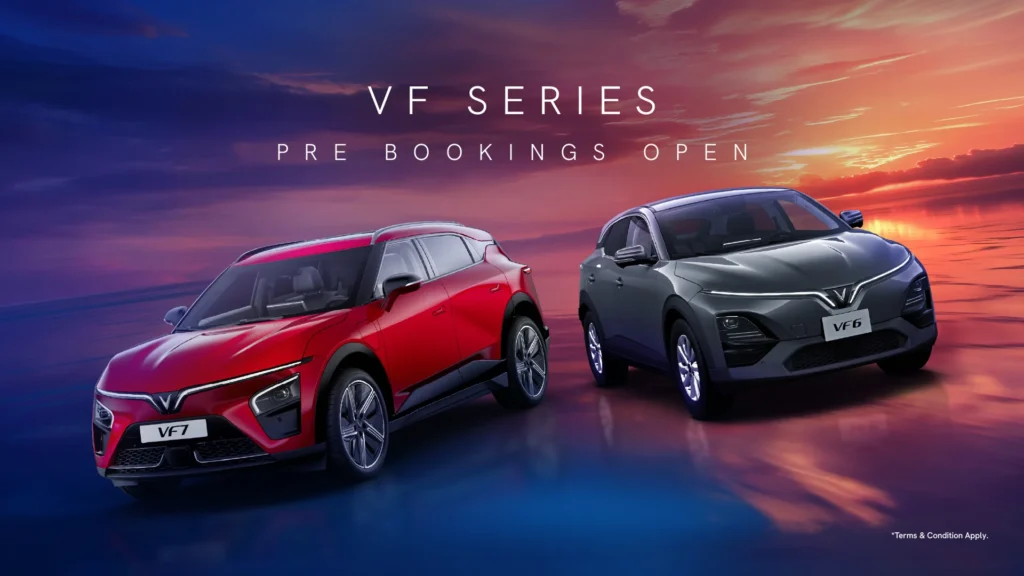
Combined, these top three manufacturers account for approximately 88% of the total e-4W sales in the period, leaving limited room for other entrants in the mass-market segment. Tata’s dominance is fueled by its diverse lineup, including the evergreen Nexon EV and the newly launched Harrier EV, which have resonated with urban buyers seeking affordable yet feature-rich options. MG’s Windsor EV and ZS EV have carved out a premium-yet-accessible niche, while Mahindra’s XUV400 and BE series models are gaining traction through aggressive pricing and indigenous manufacturing.The remaining 12% is splintered among challengers like Hyundai (with its Ioniq 5 and upcoming Creta EV), Kia (Carens Clavis EV), and premium imports from BYD, BMW, and Tesla. Notably, new players like VinFast are making inroads with models like the VF e34, registering over 130 units in October alone, signaling intensifying competition.
Key Drivers Behind the Surge
Several factors are propelling this EV boom:
- Government Incentives and Policies: The Production Linked Incentive (PLI) scheme and FAME-III subsidies continue to reduce upfront costs, with tax rebates making EVs up to 20-30% cheaper than ICE counterparts. States like Maharashtra, Delhi, and Gujarat offer additional perks, including road tax exemptions and free charging for the first few years.
- Falling Battery Costs and Expanding Infrastructure: Global lithium-ion prices have dropped 15% YoY, enabling longer ranges and faster charging. India now boasts over 12,000 public charging stations, a 150% increase from last year, with networks from Tata Power, BPCL, and IOCL expanding rapidly in metros and highways.
- Consumer Shift: Urban millennials and Gen Z buyers, facing volatile petrol prices (hovering around ₹100/liter), are prioritizing sustainability and tech-loaded EVs. Festive season discounts in October further amplified sales, with models like the Tata Punch EV seeing a 40% MoM spike.
- Corporate and Fleet Adoption: Ride-hailing giants like Uber and Ola have committed to electrifying 50% of their fleets by 2026, boosting bulk orders.
Challenges on the Horizon
Despite the optimism, hurdles remain. Charging infrastructure lags in Tier-2/3 cities, where 60% of India’s population resides, leading to “range anxiety.” Supply chain disruptions for batteries—India imports 80% of its cells—could inflate prices if global tensions escalate. Moreover, the shift to BIS-compliant imported cells under recent mandates has temporarily slowed some OEMs.Competition from hybrids, which saw a 25% sales uptick in the same period, poses another threat, as they offer a “bridge” solution without full infrastructure dependence.
Looking Ahead: A 30% Penetration Target by 2030?
With FY26 sales on track to exceed 200,000 units, analysts project India’s EV market to hit 1 million annual sales by 2028. The government’s ambitious goal of 30% EV penetration by 2030 seems increasingly attainable, supported by the upcoming ₹10,000 crore battery manufacturing push and green hydrogen pilots.As Tata, MG, and Mahindra solidify their stronghold, expect more disruptors—Hyundai’s mass-market EV launch in Q1 2026 and Tesla’s Gigafactory plans—to shake up the leaderboard. For now, India’s roads are greening faster than ever, one electric mile at a time.This milestone isn’t just numbers on a dashboard; it’s a testament to India’s leap toward a sustainable mobility future. Buckle up—the EV ride is just getting electrifying.