In calendar year 2025, battery electric passenger vehicle (BEV) sales in India reached a historic 176,500 units, marking a blistering 77% year-on-year growth from around 99,700 units in 2024. This explosive expansion reflects intensified competition, aggressive pricing strategies, innovative business models, and the entry of new players disrupting the established landscape.
The market witnessed a shift in dynamics, with Tata Motors maintaining its leadership position but facing significant pressure as challengers gained ground rapidly. New entrants like Tesla and VinFast added buzz and diversity, while established players like JSW MG Motor and Mahindra accelerated their momentum through compelling new models.
Tata Motors: Still the Leader, But Share Erodes
Tata Motors retained the top spot with approximately 70,000 units sold (including models like the Punch EV, Nexon EV, Curvv EV, and the newly launched Harrier EV). This represented a modest 13% growth, lagging far behind the industry’s 77% surge. As a result, its market share dropped sharply from 62% in 2024 to around 40% in 2025. Despite a broad portfolio and early-mover advantage, Tata faced challenges from more affordable and feature-rich rivals.
JSW MG Motor: The Strongest Challenger
JSW MG Motor emerged as the most formidable contender, delivering around 47,000–50,000 units and capturing nearly 30% market share (up from 20% the previous year). The star performer was the Windsor EV, which drove a remarkable 165% year-on-year growth for the brand. Marketed with an innovative battery-as-a-service (BaaS) model that lowers upfront costs, the Windsor achieved over 50,000 cumulative sales in just 14 months—the fastest for any four-wheeler EV in India.
Here are some popular views of the MG Windsor EV, showcasing its modern design and spacious interior:The model’s success highlights how innovative pricing and premium features can accelerate EV adoption in the mass-market segment.
Mahindra: Highest Growth Story
Mahindra recorded the most dramatic surge, selling around 30,000 units—a staggering 347% increase from 2024. Market share jumped from 7% to 19%, fueled by the launch of the born-electric SUVs BE 6 and XEV 9e on the INGLO platform. These models gained strong traction for their bold design, advanced tech, and long-range capabilities.
Other Key Players
- Hyundai secured fourth place with around 6,400 units (up 621%), boosted by the Creta Electric launch.
- BYD India doubled sales to around 5,100 units, driven by the Sealion 7 SUV.
- Kia India jumped with around 2,400 units (up 620%), thanks to the locally assembled Carens Clavis EV.
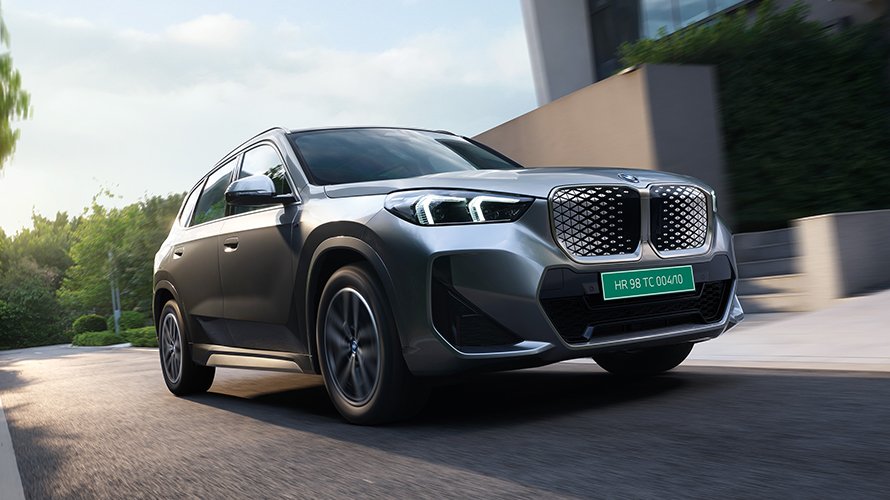
The luxury EV segment grew 77% to around 4,500 units in the first 11 months, led by BMW India (2,800+ units, up 164%) with models like the i7, iX, and iX1.New Entrants: Tesla and VinFastTesla entered mid-2025 with the imported Model Y (priced ₹59.89–67.89 lakh), generating significant media attention but modest volumes—around 150–225 units through the year, as it targeted the ultra-premium segment.
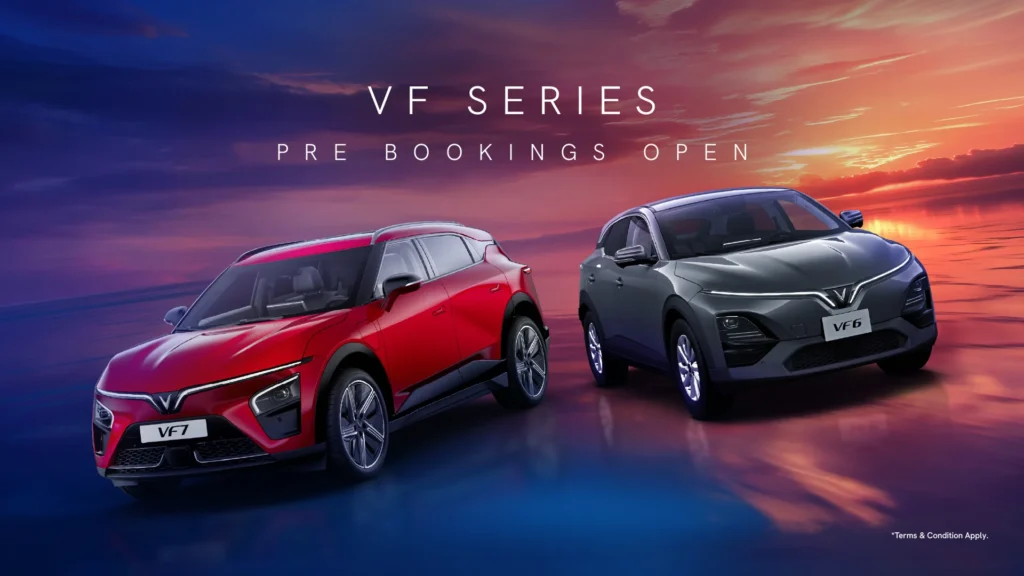
VinFast, the Vietnamese brand, launched the locally assembled VF6 (starting ₹16.49 lakh) and VF7 (up to ₹25.49 lakh), achieving over 200 units by November and building momentum with plans for a Tamil Nadu assembly plant and 35 showrooms.
Outlook for the EV Revolution
2025 marked a pivotal year for India’s BEV market, with competition driving innovation and accessibility. While Tata held firm, the rapid rise of MG and Mahindra signals a more fragmented, dynamic landscape ahead. With improving infrastructure, falling battery costs, and government support, the sector is poised for continued growth—potentially crossing new milestones in 2026 and beyond. The entry of global players like Tesla and VinFast further underscores India’s emergence as a key EV battleground.