India’s electric two-wheeler (E2W) segment recorded strong growth in Financial Year 2026 (FY26), crossing the 14 lakh unit mark for the first time. New product launches, improving charging infrastructure, better battery technology, and rising consumer acceptance for affordable, zero-emission mobility drove this momentum.
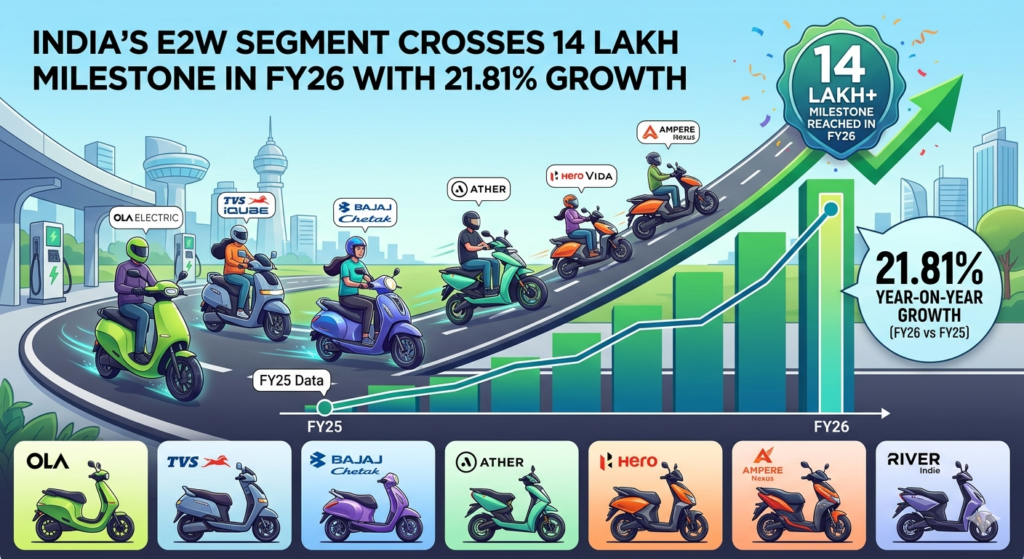
Total retail sales in FY26 stood at 14,01,818 units, registering a 21.81% year-on-year (YoY) growth over 11,50,790 units sold in FY25. Electric two-wheelers also increased their share of the overall two-wheeler market from around 6.1% in FY25 to 6.5% in FY26
Key Highlights of FY26 E2W Performance
- Record fiscal close: The segment benefited from consistent monthly growth, with a massive surge in March 2026 (nearly 1.91 lakh units, up ~70% MoM in some reports). This was driven by year-end buying, festive demand earlier in the year, and incentives under schemes like PM e-Drive.
- Market leadership shift: Legacy players with strong dealer networks and reliable products gained significant ground, while some pure-play EV startups faced challenges related to service, quality perception, and aggressive pricing sustainability.
- Top performers:
- TVS Motor Company emerged as the clear market leader with approximately 3,41,000–3,41,647 units (market share ~24–28%). Strong demand for the iQube series and the new Orbiter helped TVS consolidate its position.
- Bajaj Auto secured second place with around 2,76,000–2,89,000 units (share ~21–22%), powered by the expanding Chetak portfolio, including more affordable variants like the C2501.
- Ather Energy posted impressive growth, selling roughly 2,29,000–2,39,000 units (share ~17–18%). The Rizta family scooter proved highly popular among urban buyers seeking practical features and range.
- Hero MotoCorp (VIDA) showed strong traction with over 1,00,000+ units in some estimates, leveraging its vast service network and competitive pricing.
- Ola Electric saw a significant decline (reportedly ~52% YoY drop in some data points), slipping in rankings despite earlier dominance. It registered lower volumes compared to peers amid service and quality concerns.
Other notable players included:
- Ampere (Greaves Electric Mobility)
- River Mobility
- BGauss
These brands contributed to the mid-tier and emerging segments with competitive offerings.
Factors Driving Growth in FY26
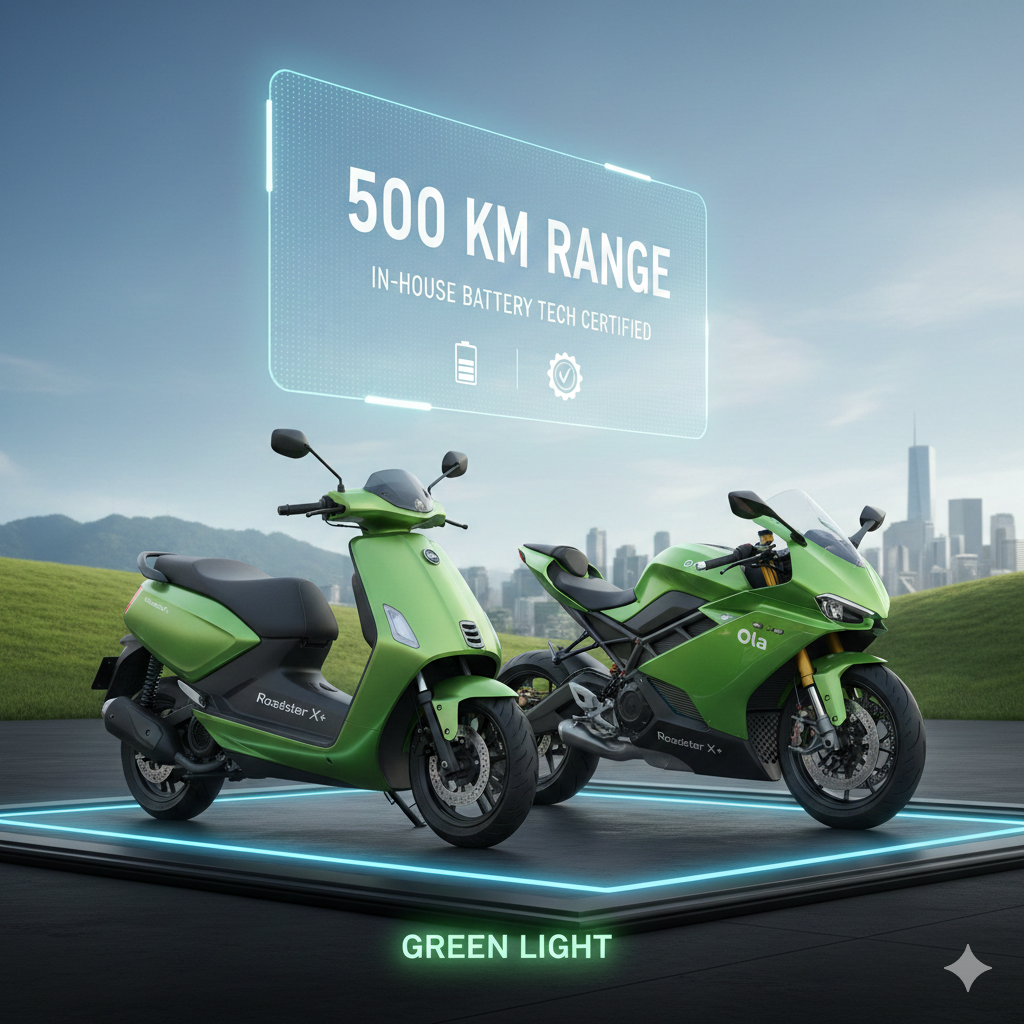
- Product Innovation — Brands focused on practical features like better range, faster charging, family-friendly designs (e.g., Ather Rizta), and affordable entry points. Models blending style with everyday usability gained traction.
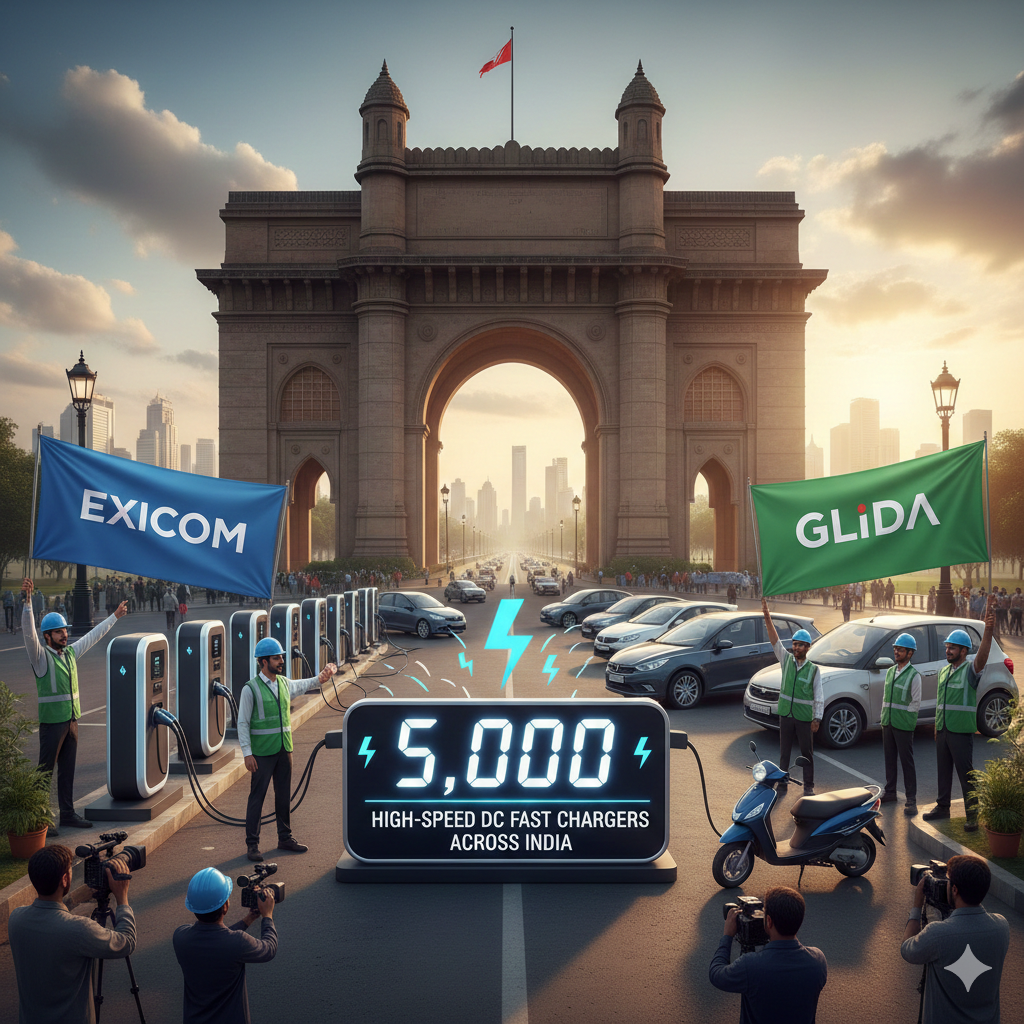
- Infrastructure Push — Expansion of public charging networks and home charging solutions reduced range anxiety.
- Policy Support — Subsidies and schemes (though subject to changes) continued to make EVs more accessible. The extension of certain incentives boosted Q4 sales.
- Consumer Shift — Rising fuel prices, environmental awareness, and lower running costs made electric scooters attractive, especially in Tier-1 and Tier-2 cities. Rural demand also showed early signs of pickup.
- Dealer Network Strength — Established two-wheeler giants (TVS, Bajaj, Hero) leveraged their widespread service and sales infrastructure, giving them an edge over newer entrants.
Despite the strong numbers, the segment faces hurdles such as:
- Battery cost and supply chain issues
- Charging infrastructure gaps in smaller cities
- Service and after-sales experience consistency
- Competition from improving ICE two-wheelers in affordability
Ola Electric’s decline highlights the importance of balancing aggressive growth with reliable ownership experience.
With the segment crossing 14 lakh units and EV penetration in the two-wheeler market inching towards higher single digits, FY27 is expected to see continued momentum. New launches, potential policy clarity, further battery tech improvements, and increasing consumer confidence could push sales toward the 16–18 lakh mark.
TVS, Bajaj, and Ather are well-positioned to lead, while Hero’s scale and newer players like River could intensify competition. The industry’s ability to address service pain points and expand into semi-urban/rural markets will determine the pace of electrification in India’s massive two-wheeler industry.
The electric two-wheeler story in FY26 underscores a maturing market where reliability, network strength, and customer-centric products are becoming as important as innovation and price. As India moves toward sustainable mobility, E2Ws remain the frontline warriors in this transition.