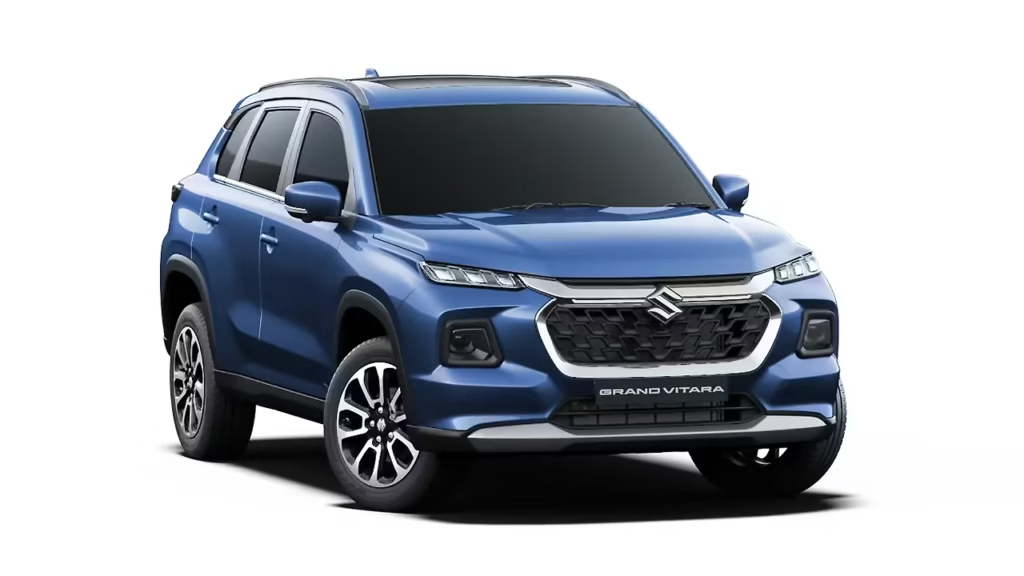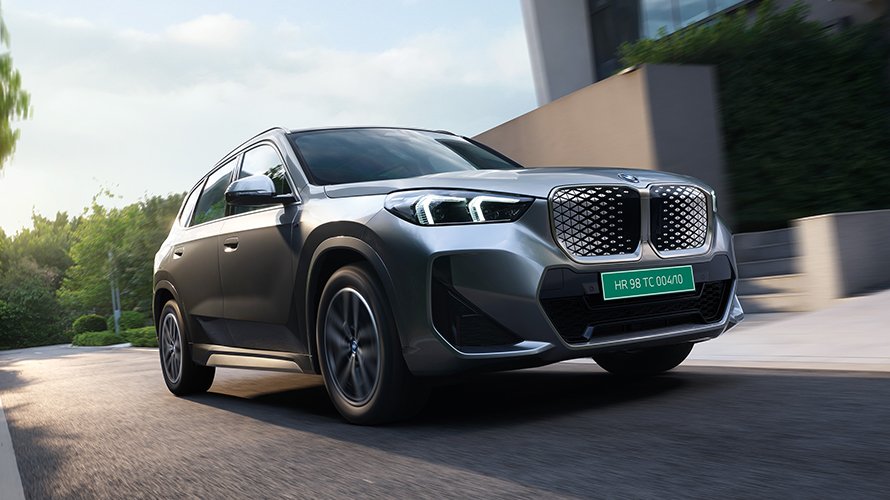
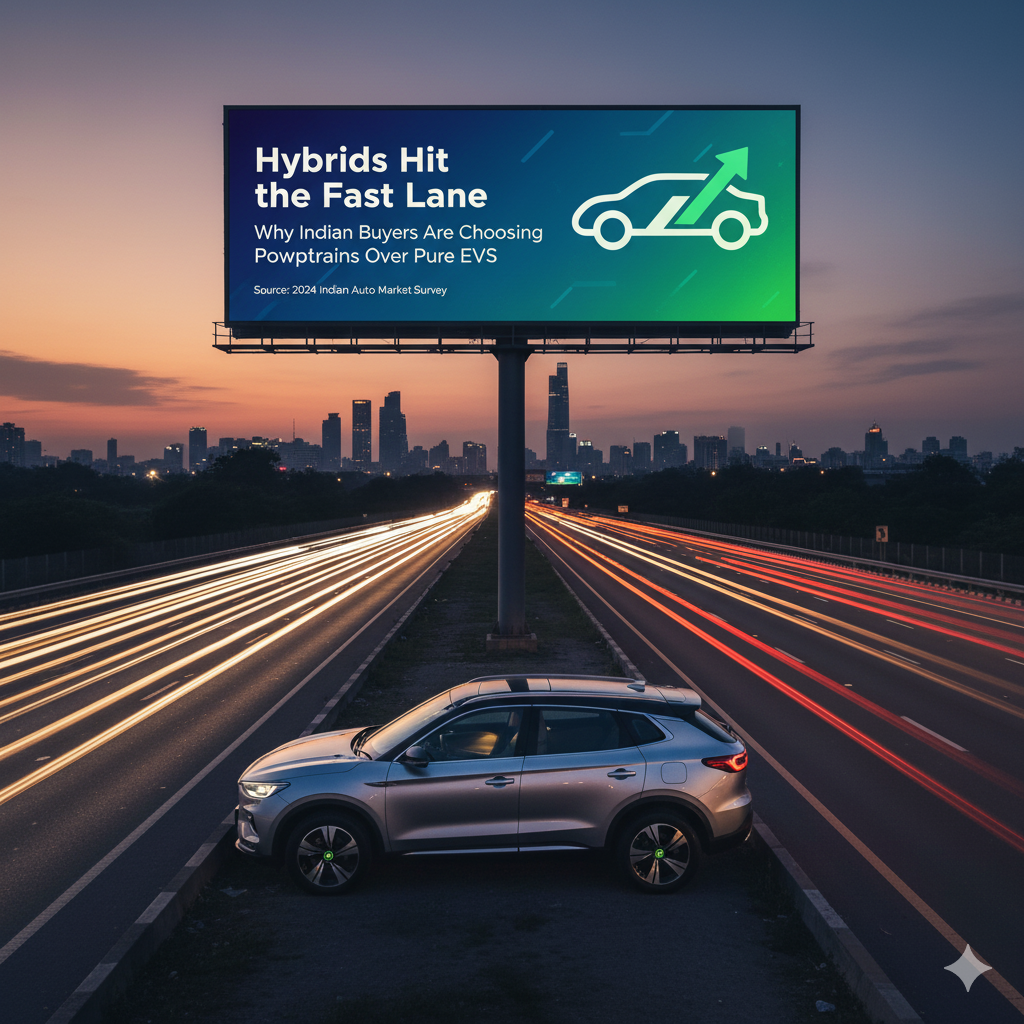
In a rapidly evolving automotive landscape, where sustainability meets everyday practicality, hybrid vehicles are emerging as the undisputed champions of consumer choice. A comprehensive survey by Grant Thornton Bharat has unveiled a seismic shift in preferences among Indian car buyers, underscoring a pivotal moment for the industry as it gears up for the festive frenzy.Conducted across diverse urban and semi-urban landscapes, the study—aptly titled Festive Drive: What Consumers Want in Their Next Ride—polled over 2,800 consumers from various cities and age demographics. The results paint a vivid picture of changing tastes: a resounding 38% of potential buyers now favor hybrids, eclipsing the 30% who stick with traditional petrol engines and the mere 21% eyeing fully electric vehicles (EVs). Diesel, once a staple for long-haul reliability, has plummeted to an all-time low of just 8%, signaling the twilight of an era dominated by internal combustion engines.
This isn’t merely a statistical blip; it’s a watershed moment that could redefine market dynamics in India, the world’s third-largest automobile market. As global pressures mount to curb emissions and transition to greener mobility, Indian consumers appear to be charting a uniquely pragmatic path—one that balances environmental responsibility with real-world usability.
The Allure of the Hybrid Middle Ground
At the heart of this surge lies the hybrid’s inherent appeal: it marries the familiarity of a conventional petrol engine with the efficiency of an electric motor, creating a seamless blend that sidesteps the pitfalls of its purer counterparts. Unlike EVs, which promise zero tailpipe emissions but grapple with “range anxiety”—the fear of running out of juice mid-journey—hybrids deliver enhanced fuel economy and reduced emissions without demanding a nearby charging station. For the average Indian driver, who might navigate congested city streets one day and embark on a cross-country road trip the next, this versatility is a game-changer.”Hybrids are the practical bridge we’ve all been waiting for,” notes Rajesh Gupta, a 35-year-old IT professional from Bengaluru and one of the survey respondents. “I love the idea of going electric, but with my family’s weekend getaways to the hills, the uncertainty of charging points just doesn’t cut it.” His sentiment echoes the broader findings, where hybrids are lauded for their ability to recharge via regenerative braking and engine power, eliminating the need for plugs altogether in many self-charging models.
The survey’s timing couldn’t be more opportune. With Diwali and other festivals on the horizon—traditionally a peak buying period for vehicles—41% of respondents indicated plans to splurge on a new ride within the next three to four months. This pent-up demand is a boon for manufacturers, but it’s tempered by savvy consumer behavior. A staggering 72% admitted to postponing purchases in anticipation of GST rationalization, a policy tweak that promised to ease tax burdens on automobiles. The eventual rollout of these changes has not only unlocked wallets but also amplified the call for cost-effective, future-proof options like hybrids.
Infrastructure Woes and the Rise of Tier 2, Tier 3 Demand
Delving deeper, the preference for hybrids stems from stark infrastructural realities. While metro cities like Mumbai and Delhi boast expanding networks of EV charging stations, the picture grows patchier in Tier 2 and Tier 3 towns—regions where car ownership is exploding, fueled by rising middle-class aspirations and improved road connectivity. Here, EVs remain a luxury for the urban elite, with long-distance travelers citing range limitations as a primary deterrent. Hybrids, by contrast, offer the best of both worlds: electric assist for stop-go traffic, petrol reliability for highways, and no downtime hunting for outlets.This urban-rural divide is particularly pronounced among younger buyers, aged 25-40, who comprised a significant chunk of the survey. They prioritize not just eco-friendliness but also lifecycle costs—hybrids’ lower maintenance and fuel bills make them a smart financial play amid fluctuating oil prices and green incentives. Government pushes, such as subsidies under the FAME-III scheme, further sweeten the deal, positioning hybrids as a stepping stone to full electrification.
For automakers, the message is clear: adapt or get left in the dust. Japanese giants like Toyota and Maruti Suzuki, long-time hybrid pioneers, stand to gain immensely, while legacy diesel players scramble to pivot. Even EV frontrunners like Tata Motors and Mahindra are ramping up hybrid offerings to capture this middle-ground market, projected to grow at a CAGR of over 25% through 2030.
A Festive Roadmap to Sustainable Mobility
As fireworks light up the skies this festive season, the Festive Drive survey serves as a clarion call for the automotive sector. It’s a reminder that India’s mobility revolution won’t be dictated by Silicon Valley dreams alone but by the grounded aspirations of its 1.4 billion people. Hybrids aren’t just a trend; they’re a testament to thoughtful innovation—delivering greener drives without derailing daily life.For buyers eyeing their next set of wheels, the takeaway is straightforward: in the race to sustainability, the tortoise-like hybrid might just outpace the hare. With strong festive tailwinds and policy tailwinds aligning, 2025 could mark the year when India’s roads fill with a harmonious hum of petrol-electric synergy. Buckle up—the drive ahead looks electrifyingly hybrid.