India’s automotive landscape is undergoing a significant transformation, and strong hybrids are poised to become the dominant force in the coming years. With fuel prices remaining volatile and buyers prioritizing fuel efficiency alongside lower operating costs, hybrids are emerging as the practical bridge between traditional internal combustion engines and full electrification.
For decades, diesel vehicles—particularly cars and SUVs—have ruled the roost for cost-conscious Indian buyers. Diesel’s superior fuel economy on highways, combined with cheaper per-litre prices compared to petrol (often by ₹8-15/litre depending on the state), delivered noticeably lower running costs. A typical diesel SUV might achieve 18-24 kmpl, translating to running costs far below petrol equivalents, making them the default choice for high-mileage users, fleet operators, and families.
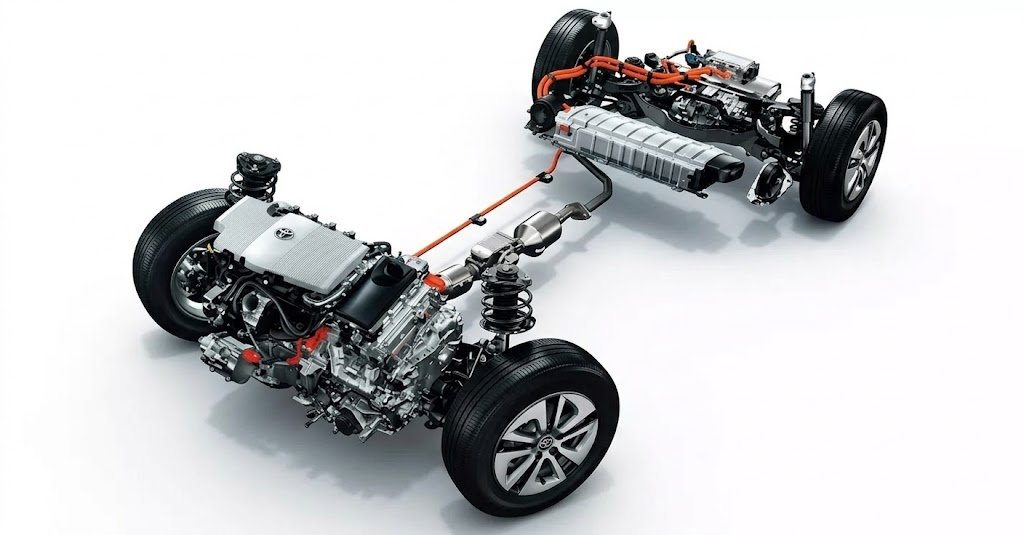
However, the tide is turning. Stricter emission norms, urban restrictions on older diesels, higher upfront costs for newer diesel models, and maintenance complexities have eroded diesel’s appeal. Enter strong hybrids (also known as full or self-charging hybrids), which combine a petrol engine with a powerful electric motor and battery pack capable of pure EV driving at low speeds. These systems excel in India’s stop-go city traffic, where regenerative braking recaptures energy and boosts efficiency dramatically.
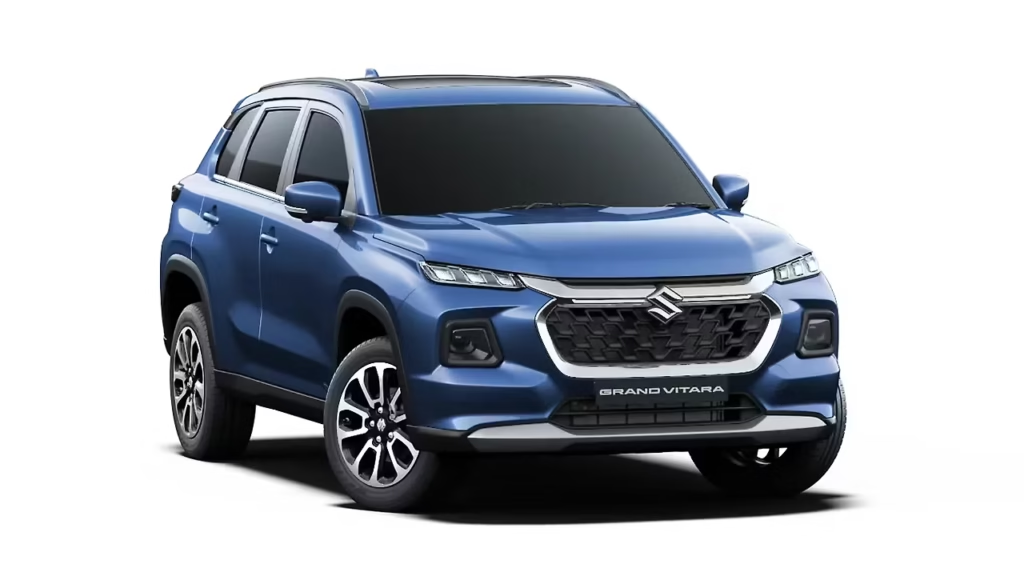
Current strong hybrids like the Toyota Urban Cruiser Hyryder / Maruti Suzuki Grand Vitara, Toyota Innova Hycross, and Honda City e:HEV already deliver real-world figures of 20-28 kmpl—often surpassing diesel in urban conditions while matching or beating them on highways. Running costs for hybrids frequently fall in the ₹3-4/km range (versus ₹6-8/km for petrol and ₹4-6/km for diesel in mixed use), thanks to exceptional mileage without diesel’s drawbacks.
The real game-changer is the imminent influx of strong hybrid models across segments and price points in 2026 and beyond. Automakers are aggressively expanding hybrid offerings to capture the value-conscious buyer who once flocked to diesel.
Here are some of the most anticipated upcoming strong hybrids:
- Hyundai Creta Hybrid — Expected around 2026-2027, featuring a 1.5-litre petrol-hybrid setup with ~22-25 kmpl mileage, priced competitively in the mid-size SUV space.
- Kia Seltos Hybrid — A strong contender in the popular mid-size SUV segment, promising 20-22 kmpl and modern features.
- Honda Elevate Hybrid — Building on Honda’s proven e:HEV tech (as seen in the City), targeting ~20-27 kmpl in city-heavy use.
- Renault Duster Hybrid — Reviving the iconic nameplate with a strong hybrid option (potentially E-Tech system), offering 18-22 kmpl at accessible prices.
- Nissan Tekton / C-SUV Hybrid — Aimed at the affordable mid-SUV bracket with strong efficiency.
Additional models from Maruti Suzuki, Toyota (including potential 7-seater expansions), and others are in the pipeline, democratizing hybrid technology from hatchbacks to premium SUVs.This wave addresses key Indian buyer priorities:
- No range anxiety — Unlike EVs, hybrids don’t require charging infrastructure and refuel like regular cars.
- Lower total cost of ownership — Superior fuel savings offset slightly higher upfront costs over time, especially for 15,000+ km annual drivers.
- Better urban performance — Electric assist provides smooth, torquey acceleration in traffic, with quieter operation.
- Environmental edge — Reduced emissions compared to pure petrol or older diesels, aligning with tightening regulations.
In essence, strong hybrids are set to inherit diesel’s throne as the smart, efficient choice for cost- and value-driven buyers. They deliver diesel-like (or better) economy without the noise, vibrations, higher service bills, or future regulatory risks associated with diesel.
As 2026 unfolds with this barrage of hybrid launches spanning affordable to premium segments, the “new diesel” is here—and it’s electrified, efficient, and ready to dominate India’s roads. For buyers eyeing long-term savings without compromising on practicality, the hybrid era isn’t coming—it’s already arrived.