As the lamps of Diwali flickered across India on October 20, illuminating homes and hearts with joy, the nation’s automobile showrooms glowed with a different kind of light: the promise of sustainable mobility. The festival of lights, celebrated on the auspicious Amavasya tithi from October 20 evening through October 21, marked not just a spiritual high but a commercial pinnacle for the auto industry. Amidst GST reforms, attractive discounts, and a growing eco-conscious consumer base, hybrid cars emerged as the undisputed stars of this Diwali, blending tradition with tomorrow’s technology.
Diwali 2025, falling squarely in the heart of the festive season, supercharged vehicle sales across the country. Preliminary data from the Federation of Automobile Dealers Associations (FADA) and industry reports paint a picture of unprecedented demand. Passenger vehicle (PV) retail sales during the broader Navratri-Diwali window (early October to mid-month) are estimated to have crossed 600,000 units nationwide, a staggering 15-35% year-on-year (YoY) growth. This boom was fueled by post-GST 2.0 price cuts announced in late September, which slashed costs on everything from entry-level hatchbacks to premium SUVs, alongside cash discounts of up to ₹2 lakh on hybrids.
The Hybrid Revolution: Why Buyers Went Green This Diwali
Hybrids – vehicles that seamlessly combine internal combustion engines with electric powertrains for superior fuel efficiency and lower emissions – stole the spotlight this year. A recent Grant Thornton Bharat survey of over 1,000 car buyers revealed a seismic shift in preferences: 38% opted for hybrids, eclipsing petrol (30%), electric vehicles (EVs, 21%), and diesel (8%).
business-standard.com This marks a departure from traditional fuel choices, driven by rising fuel prices, environmental awareness, and state incentives like reduced RTO charges for hybrids in several states.
The appeal is clear: Hybrids offer the range and reliability of petrol/diesel without the charging infrastructure woes of pure EVs, all while delivering 20-30% better mileage. Priced between ₹12-18 lakh for popular models, they fit neatly into the mid-size SUV segment – the hottest category this festive season, accounting for over 50% of PV sales.
Key Players and Sales Spotlight
Leading the hybrid charge was Toyota Kirloskar Motor (TKM), long the kingpin of India’s hybrid market with a 79% share in FY2025.
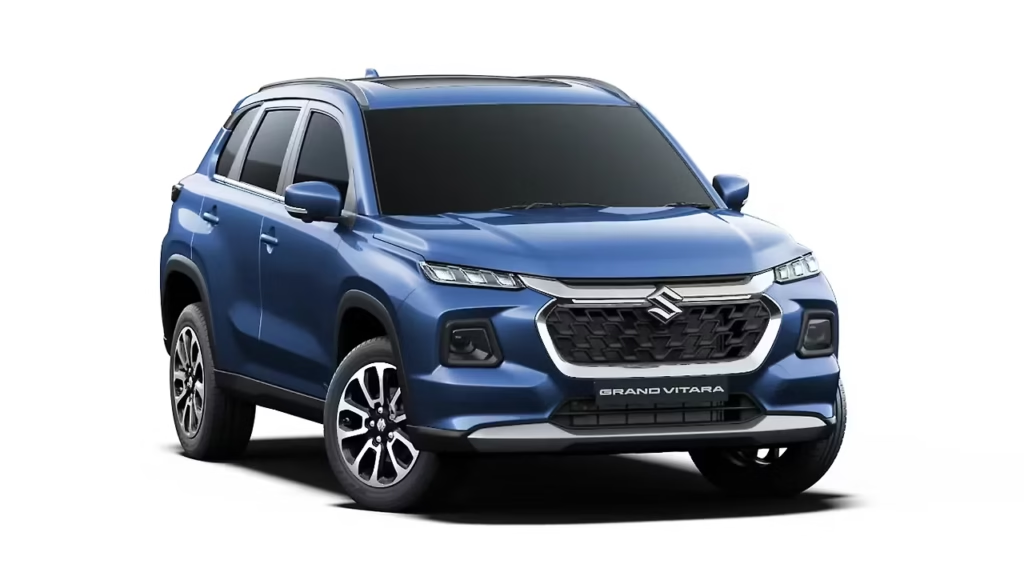
TKM’s festive deliveries contributed significantly to the industry’s over 100,000 PV units handed over on Dhanteras (October 18) and Diwali alone, generating ₹8,000-8,500 crore in revenue. Preliminary estimates peg TKM’s October hybrid sales at around 22,000 units – a 25-30% jump from September’s 17,391 units (led by the Innova Hycross at 9,783 and Urban Cruiser Hyryder at 7,608). The company’s hybrid lineup, including the Hycross MPV and Hyryder SUV, saw discounts up to ₹1.35 lakh, drawing families seeking spacious, efficient rides for post-Diwali road trips.Maruti Suzuki, India’s volume leader, wasn’t far behind. The company’s Grand Vitara – available in mild and strong hybrid variants – clocked an estimated 6,000 units in October, up from 5,698 total sales (roughly half hybrids) in September.
With overall festive retails hitting a record 325,000 units (including 51,000 on Dhanteras-Diwali), Maruti’s hybrids benefited from discounts up to ₹1.8 lakh, making them accessible to urban millennials. The Invicto, Maruti’s premium hybrid MPV, also saw upticks, contributing to the brand’s strong hybrid push. Other notables included Honda’s City e:HEV and upcoming launches like the Honda WR-V hybrid, though Toyota and Maruti dominated with over 90% market share. Tata Motors, fresh off 100,000+ festive deliveries (33% YoY growth), hinted at hybrid expansions, while Hyundai’s hybrid explorations remain nascent.
How Many Hybrid Cars Were Sold? The Numbers Breakdown
While full FADA October data awaits official release (expected early November), industry insiders and preliminary dealer reports estimate total hybrid car sales in India for October 2025 at approximately 30,000-35,000 units. This represents a robust 20-25% sequential rise from September’s ~25,000 hybrids (extrapolated from OEM dispatches and retail trends), and aligns with the 38% buyer preference translating to a 5-7% penetration in overall PV sales (total PV retails: ~350,000-400,000 units for the month). business-standard.com +1
| Carmaker/Model | Estimated October 2025 Hybrid Sales | Key Highlights |
|---|---|---|
| Toyota Innova Hycross & Hyryder | 22,000 | 30% YoY growth; discounts up to ₹1.35 lakh drove family buys. |
| Maruti Grand Vitara (Strong Hybrid) | 5,000-6,000 | ₹1.8 lakh off; mid-size SUV demand surged 40%. |
| Others (Invicto, City e:HEV, etc.) | 3,000-5,000 | Emerging players; total festive hybrid bookings up 50%. |
| Total Hybrids | 30,000-35,000 | 5-7% of PV market; greenest Diwali on record. |
Beyond the Numbers: A Sustainable Festive Legacy
This Diwali’s hybrid frenzy isn’t just about sales – it’s a signal of India’s maturing auto ecosystem. With GST cuts making hybrids more affordable (effective price drops of 2-4%), and upcoming launches like nine new hybrids post-Diwali (including strong contenders from Maruti and Toyota), experts predict hybrids could claim 10% market share by FY2026.
Lucknow dealers reported 30% YoY growth in hybrid enquiries, with mid-size models like the Hyryder leading the pack.
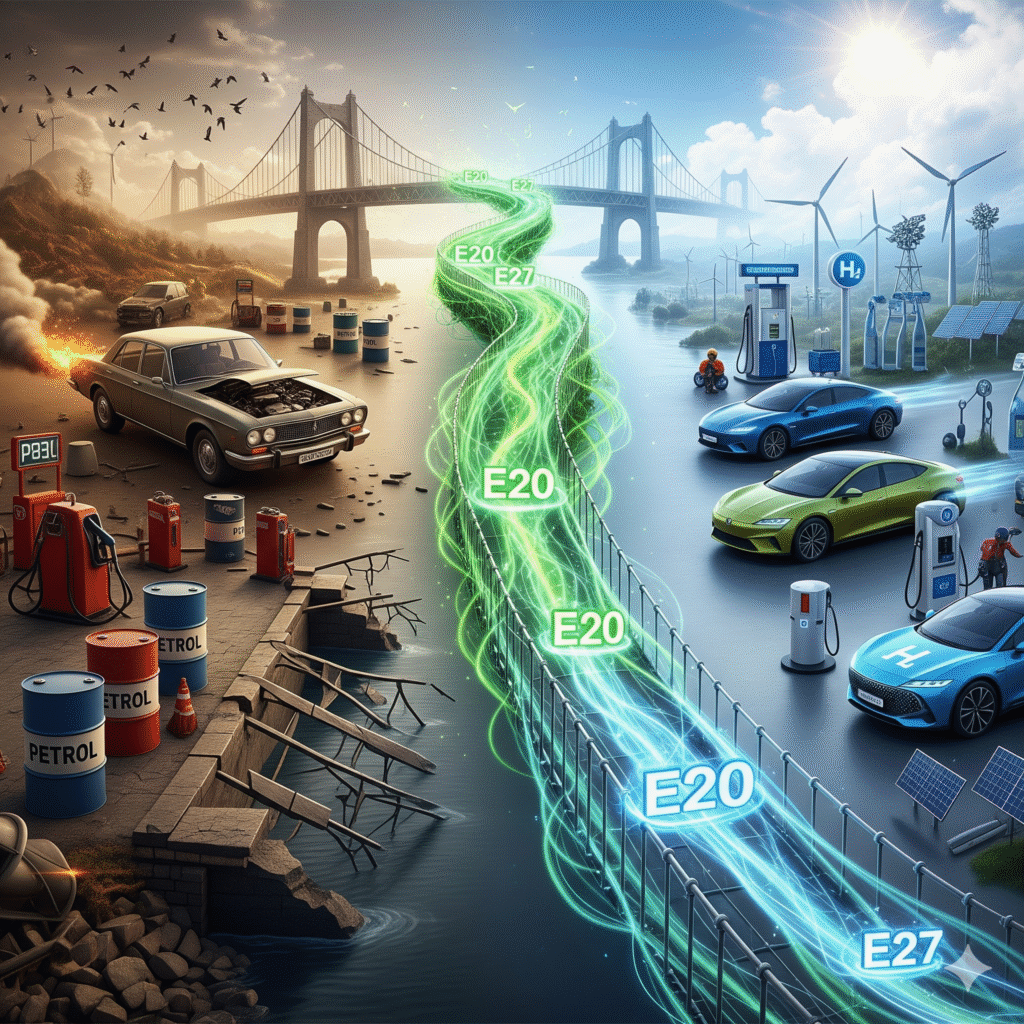
As firecrackers fade and the pataka of progress echoes, Diwali 2025 reminds us: In the race to net-zero, hybrids are the bridge we can all afford to cross. With cleaner roads ahead, India’s festive buyers have lit the way – one eco-friendly mile at a time.