Honda Motorcycle & Scooter India (HMSI) has faced a tough introduction to the country’s booming electric two-wheeler segment. The company’s initial offerings, the Activa e: (launched with swappable batteries) and the QC1 (a more basic fixed-battery moped-style scooter), debuted in early 2025 amid high expectations. Leveraging the legendary Activa nameplate — India’s best-selling scooter for years — Honda aimed to capture a significant share of the growing EV market. However, the reality proved challenging.
The Activa e: offered a claimed range of around 102 km with two swappable 1.5 kWh batteries, a top speed of 80 kmph, and premium features like a 7-inch TFT display in higher variants. The QC1, priced more affordably (starting around ₹90,000–1.11 lakh ex-showroom), provided an 80 km range, a 50 kmph top speed, home charging, and 26 litres of under-seat storage. Despite these specs, both models struggled with limited sales. Production reportedly paused by mid-2025 (around August for some sources), with only a fraction of manufactured units sold — highlighting issues like restricted availability (initially limited to cities like Delhi, Mumbai, and Bengaluru), dependency on nascent battery-swapping infrastructure for the Activa e:, modest real-world performance compared to rivals, and pricing that didn’t fully align with customer expectations.
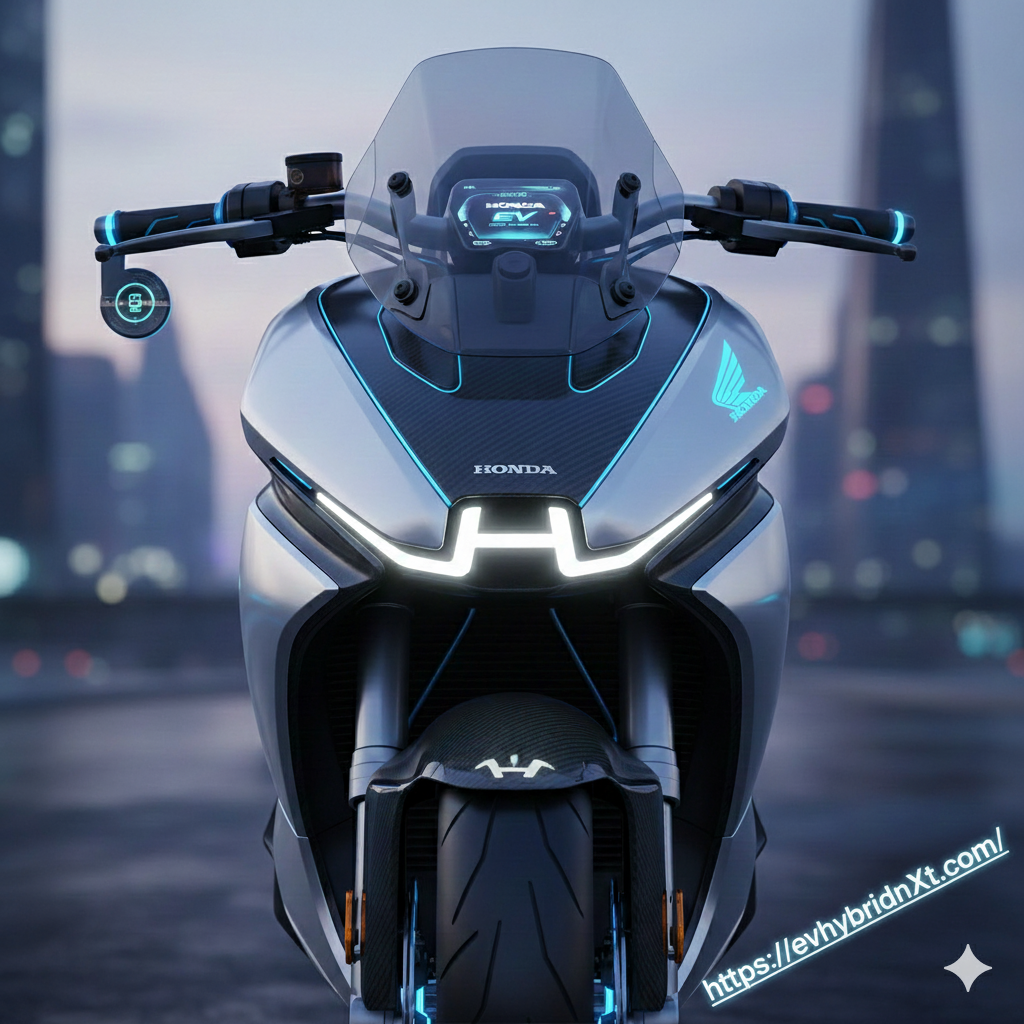
In contrast, established players like TVS (iQube), Bajaj (Chetak), Ather (Rizta), and others have dominated with longer ranges, better features, larger storage, and more competitive pricing, appealing strongly to Indian buyers prioritizing practicality and value.Honda isn’t backing down from the EV race. Recent reports indicate the company is actively developing a new electric scooter tailored specifically for the Indian market. This upcoming model draws directly from lessons learned with the Activa e: and QC1, addressing key shortcomings head-on.Here are the main highlights of what to expect:
- Heavy Localization — The scooter will use a high percentage of locally sourced components to drive down costs, enabling aggressive and competitive pricing that can challenge leaders like the TVS iQube, Bajaj Chetak, and Ather Rizta.
- Improved Practicality — Expect generous under-seat storage (likely 30+ litres, unlike the Activa e:’s near-zero boot space due to swappable batteries) and convenient charging options.
- Comparable Performance — Range and features are expected to match or exceed market leaders, with better battery efficiency, faster charging, and a more balanced power delivery suitable for daily Indian commuting.
- New Platform — It will be built on Honda’s J1H platform, designed for India-specific needs, marking a shift from adapting global models to creating a truly localized product.
The new scooter is anticipated to launch towards the end of 2026, giving Honda time to refine the design and expand supporting infrastructure like battery networks. This model represents Honda’s renewed commitment to electrification in India, aiming to replicate the petrol Activa’s dominance in the EV space.
With the Indian electric scooter market expanding rapidly and consumers demanding more value-driven, practical options, Honda’s localized approach could finally turn the tide. Stay tuned for more updates as details emerge — this could be the game-changer the brand needs to electrify the masses.