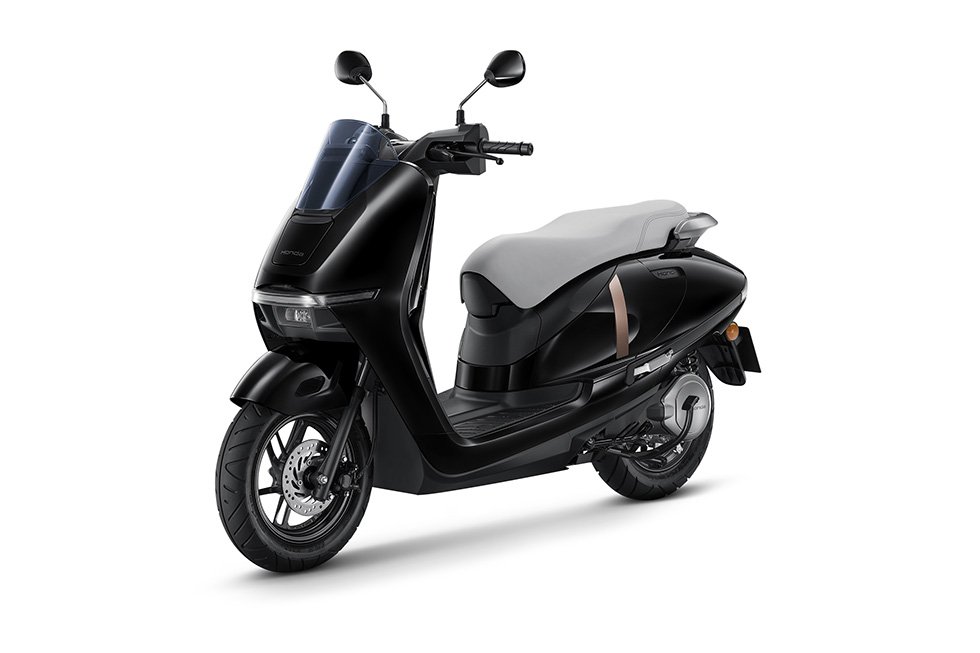
Honda has officially expanded its electric mobility footprint in Southeast Asia with the launch of the Honda UC3 electric scooter, debuting in Thailand and Vietnam as part of the company’s broader electrification strategy. This new model highlights a significant shift in Honda’s electric two-wheeler approach, moving away from its previous emphasis on swappable batteries toward a fixed battery architecture designed to appeal to a broader consumer base.
A New Chapter in Honda’s EV Strategy
The Honda UC3 is positioned as an electric commuter equivalent to a 110cc internal combustion motorcycle, offering practical range and charging for everyday urban use. Some key details include:
Fixed-type lithium-iron phosphate (LFP) battery for improved durability and range.
Up to ~122 km range on a single charge under WMTC standards. 6 kW motor, three riding modes, reverse gear, and a modern TFT-LCD dashboard with smartphone connectivity. Charging options of 1200W and 450W, with a 0–100% charge in approximately four hours using the higher-power charger. Honda is also rolling out charging infrastructure in major urban centers in Thailand and Vietnam, including CHAdeMO-standard charging stations and expanding its existing Honda e:Swap BATTERY STATION network for its swappable battery models.
Why the UC3 Matters
The UC3 represents a strategic attempt by Honda to compete in the mass-market EV segment where the battery-swap ecosystem is still limited or developing. By adopting a fixed battery configuration, Honda is offering a product that simplifies ownership and broadens appeal in regions where charging infrastructure is increasingly available but swapping stations aren’t widespread yet.
What About India?
At this stage, Honda has not officially announced plans to launch the UC3 in India. The current rollout is focused on Southeast Asian markets — Thailand and Vietnam — with sales starting in spring 2026 and local production planned for Vietnam in the same year.
However, India remains a key strategic market for Honda’s electric two-wheeler efforts. The company has already introduced electric models tailored specifically to India, such as the ACTIVA e: (swappable battery) and QC1 (fixed battery) — both part of Honda’s plan to launch 30 electric models globally by 2030.
Honda is also developing Honda e:Swap battery sharing services in major Indian cities — Bengaluru, Delhi, and Mumbai — to support customers with convenient battery options and reduce charging anxiety.