The electric two-wheeler market in India is no longer a niche playground for plucky startups—it’s a high-stakes battleground where giants are finally rolling up their sleeves. With sales surging past the million-mark annually and government incentives fueling the fire, the segment is maturing into a powerhouse of innovation and affordability. Legacy titans, once content to observe from the sidelines, are now diving in headfirst. Honda Motorcycle & Scooter India (HMSI) exemplifies this shift, transforming from a cautious spectator to a committed contender. Yet, as it unleashes a groundbreaking dedicated EV factory, Honda enters not as the frontrunner, but as a challenger hungry to reclaim its throne in a landscape reshaped by agile rivals.
Globally, Honda’s EV footprint has been modest, with electric scooters like the EM1 e: trickling out in limited volumes and garnering lukewarm buzz. In India, the story echoes: while TVS iQube, Bajaj Chetak, Ather 450X, and Ola S1 have built fervent followings through bold early bets, Honda’s initial forays—such as the imported Benly e—felt more like test balloons than game-changers. This backdrop tempers expectations, framing Honda’s latest gambit as a pivotal pivot rather than an overnight coup. But make no mistake: the forthcoming Narasapura plant isn’t just infrastructure—it’s Honda’s declaration of war on the status quo, poised to supercharge its EV ambitions.
From Tentative Toasts to Full-Throttle Launches
Honda wasted little time dipping its toes deeper. February 2025 marked a milestone with the India-exclusive debut of the Activa e: and the versatile QC1 electric personal mobility vehicle. Priced competitively and tailored for urban hustlers, the Activa e: blends the iconic Activa’s family-friendly ergonomics with a peppy 108 km claimed range, swappable batteries for hassle-free swaps, and Honda’s signature reliability. Deliveries kicked off swiftly, with battery-swapping stations rolling out in Bengaluru and Delhi—expanding to Mumbai by spring.
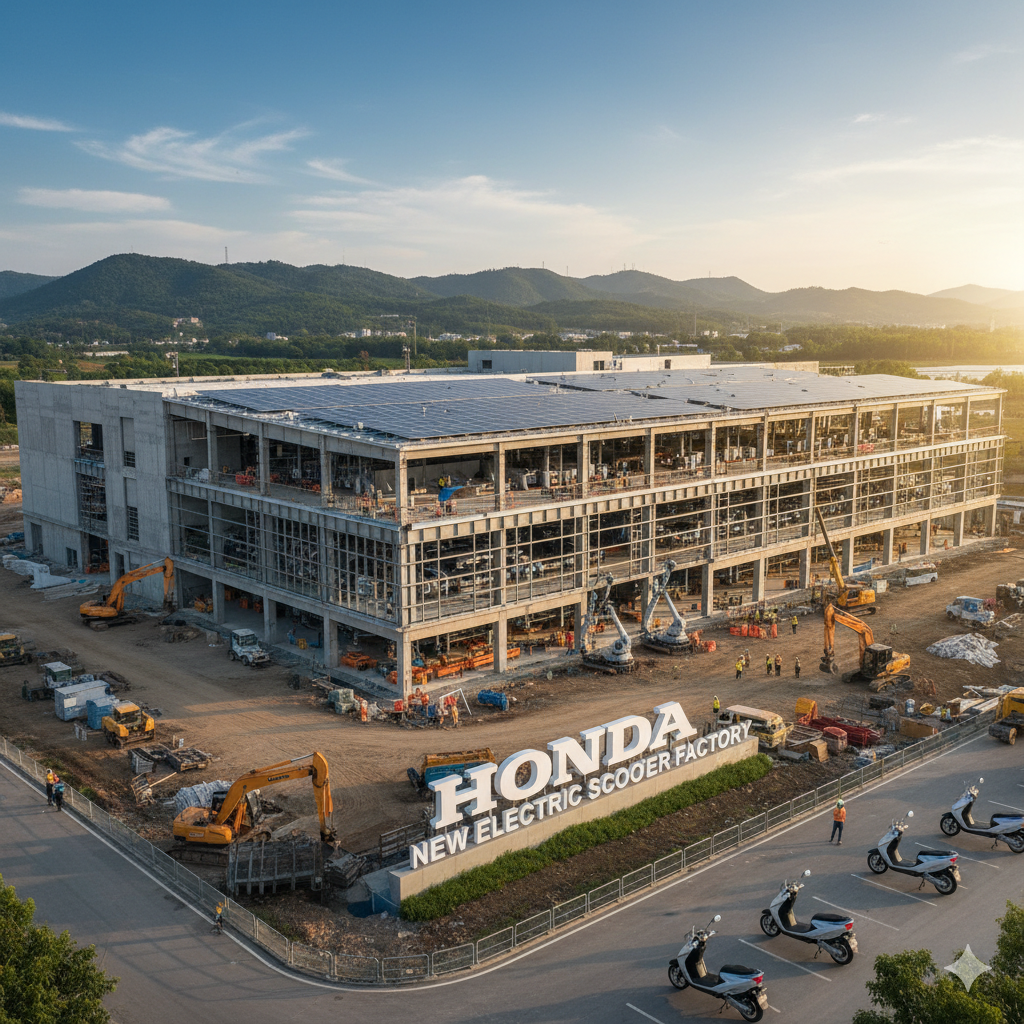
The QC1, meanwhile, targets last-mile delivery pros with its compact form and robust 85 km range, underscoring Honda’s multi-pronged assault on city mobility. These launches were no small potatoes—they signaled Honda’s readiness to play in the big leagues, even as production initially leaned on existing facilities and partnerships. But volume constraints and import dependencies highlighted the need for a bolder stroke. Enter the Narasapura factory: a ₹600 crore behemoth in Karnataka, engineered exclusively for electric two-wheelers and slated to hum to life by 2028.
Unlike the pilot projects or kit-assembly hacks from other globals, this ground-up facility promises rapid scaling, churning out scooters and potentially motorcycles for both domestic devouring and export conquests.
A Strategy Built for the Long Haul
What elevates this plant beyond brick-and-mortar hype is Honda’s laser-focused playbook. Localization isn’t an afterthought—it’s the cornerstone, with plans to source 90% of components indigenously, slashing costs and insulating against supply snarls. R&D firepower will pour into proprietary battery tech, moving away from full-throttle reliance on external suppliers toward in-house innovation that could yield denser packs and quicker charges. The emphasis? Urban warriors that nail the quartet of range (aiming for 150+ km real-world), blistering fast-charging (under 30 minutes for 80%), dirt-cheap ownership (sub-₹0.20/km), and that unshakeable Honda dependability etched into every rider’s muscle memory. Teasers hint at a design renaissance, too—sleek, minimalist lines that carve a distinct EV identity from the petrol Activa’s curvaceous legacy. No more badge-engineered hybrids; these will scream “electric evolution” with integrated LED accents, aerodynamic fairings, and intuitive dashboards blending physical toggles with touchscreens for seamless software updates.
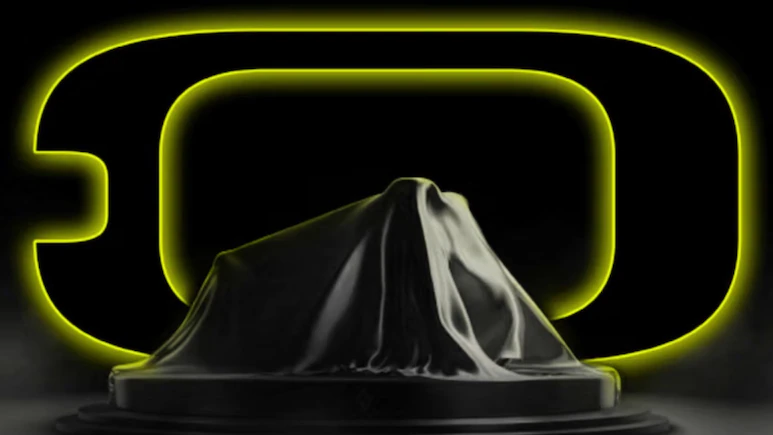
The Road Ahead: Promises vs. PotholesOn blueprint, it’s a masterclass in measured aggression. But India’s EV riders, battle-hardened by fits-and-starts from the field, demand more than specs—they crave scooters that charge as promised (no more “fast” meaning “kinda quick”), apps that don’t glitch mid-ride, and economics that eclipse petrol’s allure without hidden gotchas like battery degradation.Looking ahead, the U-Go electric scooter looms as a December 29, 2025, wildcard: a premium urban glider with whispers of 200 km range and adaptive regen braking, poised to test Honda’s mettle further.
As the Narasapura plant gears up, Honda’s trajectory could mirror its ICE dominance—methodical, relentless, transformative. In a market where early birds like Ola feast on subsidies and Ather on premium polish, Honda’s late-but-loaded entry might just redefine the chase. The throttle’s twisting; the real ride starts now.