In a significant policy tweak aimed at sustaining momentum in India’s electric vehicle (EV) sector, the Centre has announced revised timelines for demand incentives under the ambitious PM E-DRIVE scheme. Electric two-wheelers (E2Ws) registered until July 31, 2026, will continue to qualify for subsidies, while support for electric three-wheelers — including e-rickshaws and e-carts — will run until March 31, 2028.The move comes via an official notification from the Ministry of Heavy Industries dated March 27, 2026. It provides a short additional breathing room for the popular two-wheeler segment beyond the original March 2026 deadline, even as the overall scheme gets a longer runway.
Phased Approach to SubsidiesUnder the revised guidelines:
- Electric Two-Wheelers (E2Ws): Demand subsidies will be available at a reduced rate for vehicles registered between April and July 2026. The incentive is currently set at ₹2,500 per kWh, with a cap of ₹5,000 per vehicle.
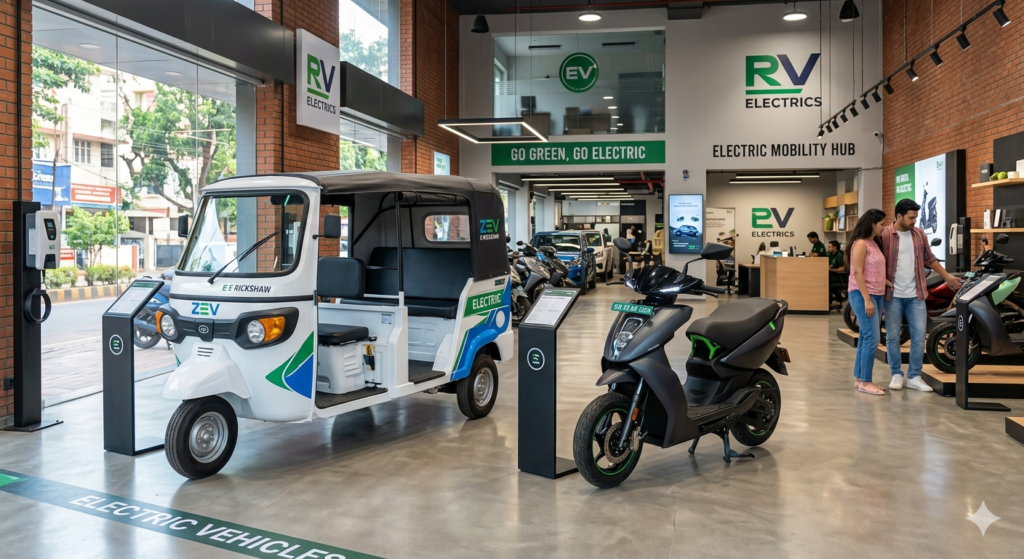
- Electric Three-Wheelers (E3Ws): Incentives for e-rickshaws and e-carts will continue uninterrupted until registrations done by March 31, 2028.
The government has also introduced caps on the total number of vehicles eligible for support — around 24.79 lakh for E2Ws and 39,034 for e-rickshaws and e-carts — to manage the scheme’s finances effectively.
Broader Scheme Extension
The ₹10,900-crore PM Electric Drive Revolution in Innovative Vehicle Enhancement (PM E-DRIVE) scheme was originally launched in October 2024 and was set to run until March 31, 2026. It offers purchase incentives not just for two- and three-wheelers but also for electric buses, trucks, and ambulances, alongside support for building charging infrastructure across the country.
The latest notification effectively extends the overall scheme till March 31, 2028 (or until funds are exhausted, whichever is earlier). This longer horizon is particularly beneficial for heavier and emerging EV segments like buses and trucks, which require more time to scale up adoption and manufacturing ecosystems.
However, the policy now draws a clear distinction between segments. While mature categories like electric scooters and motorcycles see their direct buyer incentives tapering off by mid-2026, last-mile connectivity solutions such as e-rickshaws continue to enjoy prolonged government backing — likely to support affordable urban and rural mobility.
What This Means for Buyers and Industry
For potential buyers of electric two-wheelers, the message is clear: if you’re planning to purchase an E2W and avail the subsidy, act before the July 31, 2026 registration deadline. Manufacturers and dealers are expected to see a rush in the coming months as the window narrows.
The industry has largely welcomed the clarity, even with the differentiated timelines. It allows focused support where it’s most needed — for three-wheelers that serve daily wage earners and gig workers — while encouraging two-wheeler makers to innovate and reduce costs independently as the segment matures.
The PM E-DRIVE scheme remains a cornerstone of India’s push towards cleaner transportation, aiming to reduce dependence on fossil fuels, cut emissions, and strengthen domestic EV manufacturing through phased localisation requirements.
As the notification emphasises, once the allocated funds or specific sub-components are utilised, the relevant incentives will automatically cease, regardless of the terminal dates.
This strategic recalibration reflects the government’s balanced approach: accelerating EV adoption where progress is rapid while providing sustained push to segments that still need hand-holding.(End of article)This version uses a more journalistic, reader-friendly style with clearer sections, active language, and a forward-looking conclusion. Let me know if you’d like a shorter version, a more formal tone, or any specific additions!