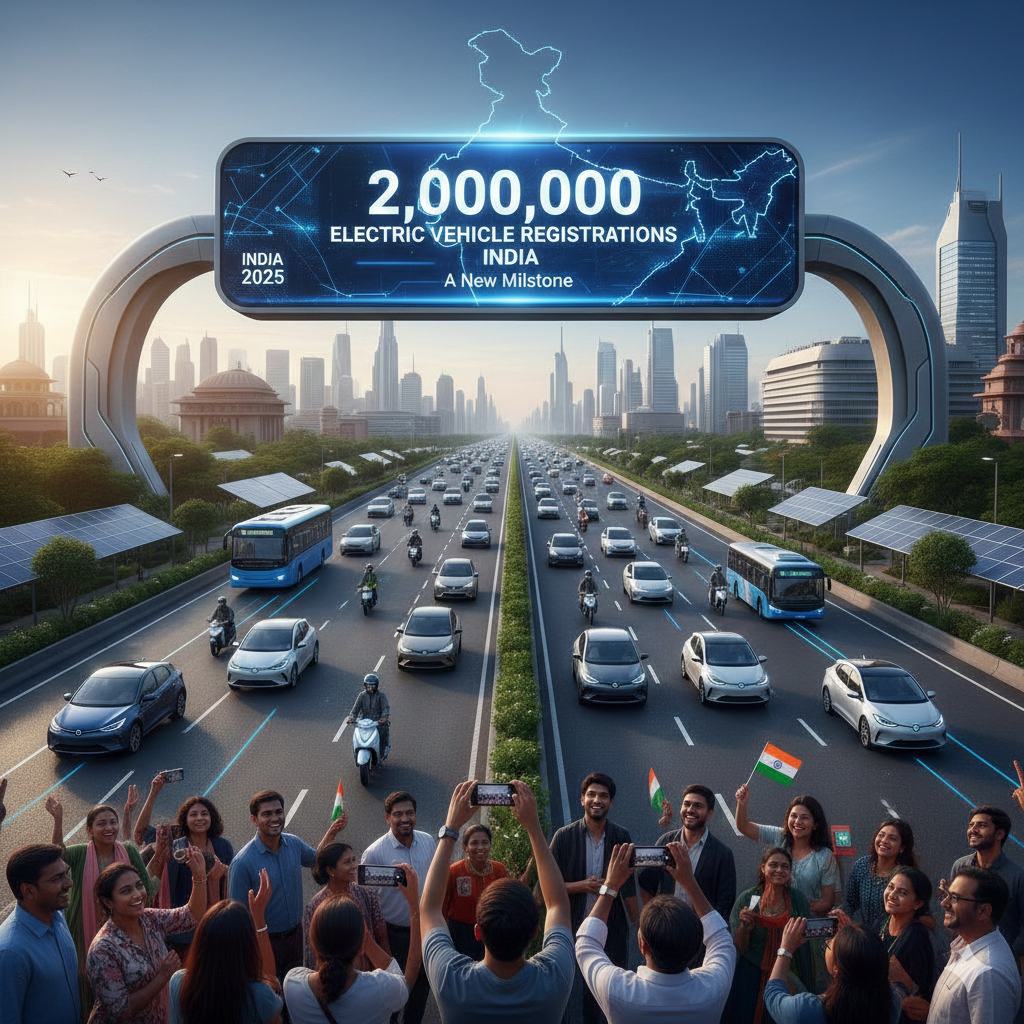
India’s electric vehicle journey reached a historic landmark this week as cumulative EV registrations for calendar year 2025 crossed the 2-million mark for the first time ever. As of Tuesday, 26 November 2025, the total stood at 2.02 million units – already surpassing the full-year 2024 figure of 1.95 million – with more than a month still remaining in the year. The achievement underscores the resilience of EV adoption in the country even as government incentives have been scaled back and policy frameworks continue to evolve. A combination of greater product availability, softening battery costs, expanding model choices, and a slowly improving public charging network has kept buyer interest intact.
Electric two-wheelers continue to dominate the sales chart, contributing 57% of total registrations in 2025. The segment has already registered approximately 1.2 million units this year – higher than the entire 2024 tally of 1.15 million units.Established players have played a pivotal role in this surge. By leveraging extensive dealer networks, aggressive pricing, and the launch of higher-range models (many now offering 150–200 km on a single charge), manufacturers have successfully converted cost-conscious commuters who were earlier hesitant about electric mobility.The sheer volume of electric scooters and motorcycles on Indian roads has also created a powerful normalisation effect. In cities and Tier-2 towns alike, seeing neighbours, delivery agents, and colleagues ride electric two-wheelers daily has reduced range anxiety and made EVs feel like a practical, everyday choice rather than a niche experiment. The predictability of short urban commutes and the growing feasibility of overnight home charging have further accelerated this shift.
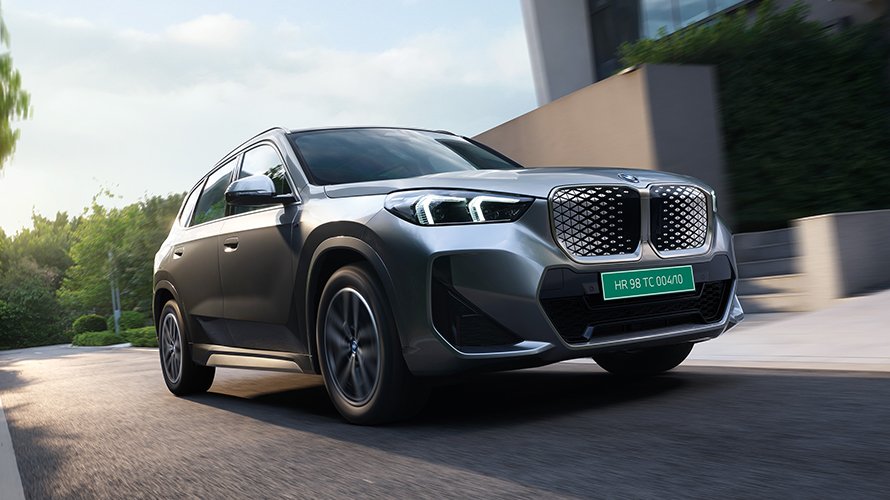
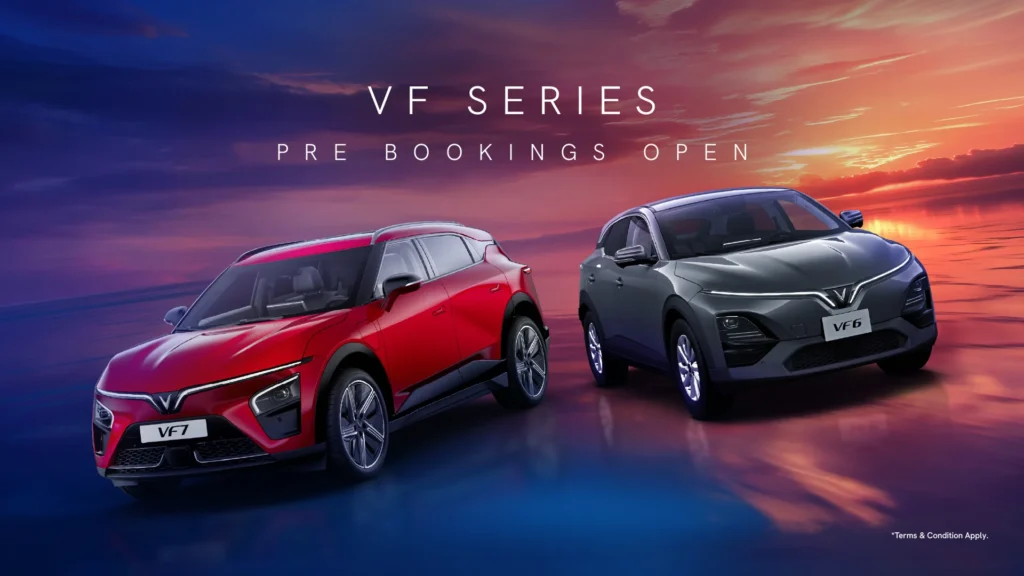
While absolute numbers remain modest compared to two-wheelers, the electric passenger vehicle (PV) segment – comprising cars and SUVs – has shown the sharpest percentage growth. Registrations have touched 156,455 units so far in 2025, reflecting a robust 57% increase over the 99,429 units recorded in the corresponding period of 2024.The leap is being driven by a rapidly expanding portfolio of mass-market offerings. Buyers now have multiple credible options in the crucial ₹10–25 lakh price band – a sweet spot for middle-class Indian families upgrading from hatchbacks or compact sedans. Improved real-world range (300–500 km), faster charging capabilities, and feature-loaded interiors have helped these models compete head-on with established internal-combustion rivals.
Crossing 2 million registrations in a single year is more than just a statistical achievement. It signals that electric mobility in India has moved past the early-adopter phase and is entering mainstream acceptance. Two-wheelers have democratised the switch by making low running costs tangible for millions of households, while the fast-growing four-wheeler segment is bringing aspirational EV ownership within reach of the middle class.
With battery prices continuing to decline, charging infrastructure gaining density (especially in urban clusters and along highways), and both legacy automakers and new-age EV companies ramping up local manufacturing, the momentum built in 2025 is likely to carry forward.India’s EV story, for now, remains overwhelmingly a two-wheeler success – but the four-wheeler segment’s rapid catch-up suggests the next wave of growth could be even more broad-based. If the final numbers for December push the tally significantly higher, 2025 may well be remembered as the year electric vehicles truly went mainstream in India.