As Delhi continues to battle severe air pollution, with vehicular emissions playing a major role in the capital’s poor AQI levels, the Delhi Government is gearing up for a major push toward green mobility. The existing Electric Vehicle Policy (introduced in 2020 and extended multiple times) is set to expire on December 31, 2025. In response, authorities are preparing EV Policy 2.0, with the draft expected to be released in the first week of January 2026.
This revamped policy aims to make electric vehicles more accessible, especially for middle-class commuters, by offering significantly enhanced incentives compared to the current regime (which provides up to ₹30,000 for electric two-wheelers based on battery capacity).
The centerpiece of the proposed EV Policy 2.0 is a generous subsidy targeted at encouraging the switch from petrol-powered scooters and bikes to electric alternatives.
- Proposed Subsidy: ₹35,000 to ₹40,000 per vehicle.
- Eligibility: Primarily for individuals trading in or switching from petrol two-wheelers to electric scooters or bikes.
- Objective: To make EVs affordable for everyday commuters, accelerate adoption, and significantly cut down on tailpipe emissions from the city’s massive two-wheeler fleet.
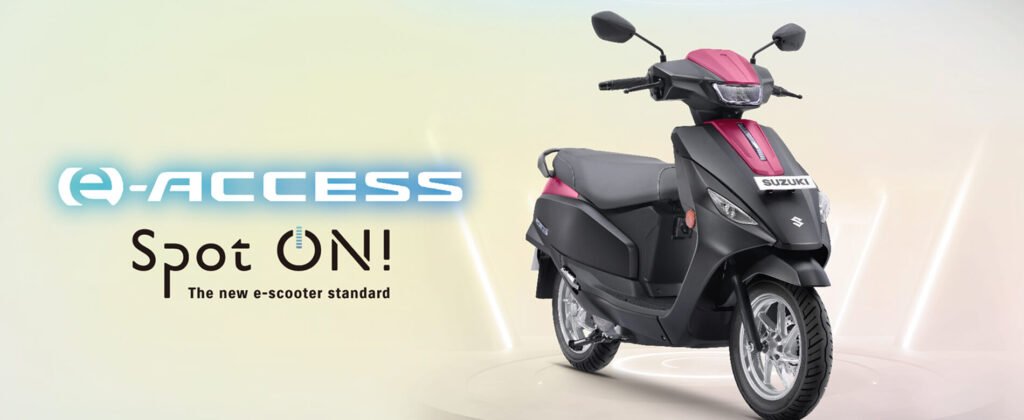
This marks a notable increase from the existing per-kWh-based incentives (capped at ₹30,000), reflecting the government’s intent to close the price gap between electric and conventional vehicles. Reports suggest this could provide massive relief amid rising pollution concerns. Here are some visual examples of popular electric scooters and bikes that could become even more affordable under the new policy:
These models represent the kind of electric two-wheelers that stand to benefit the most from the proposed subsidies, making them competitive with petrol variants.
In a groundbreaking move, the draft also introduces support for retrofitting older petrol or diesel cars into electric vehicles. Owners of vehicles priced up to ₹20 lakh could qualify for subsidies to convert their cars, helping extend the life of existing vehicles while reducing emissions. This initiative aims to address both affordability and environmental concerns without forcing immediate scrappage.
Additional Highlights of EV Policy 2.0
- Charging Infrastructure Expansion: Ambitious plans to install up to 5,000 public charging stations by 2030, focusing on neighborhood-level setups, residential areas, markets, and public spaces to eliminate range anxiety.
- Battery Recycling Focus: For the first time, a structured ecosystem for battery collection, recycling, and safe disposal to support a circular economy and manage e-waste effectively.
- Support for Commercial Vehicles: Substantial subsidies for transitioning commercial three-wheelers (like e-rickshaws and goods carriers) to electric, along with potential plans for compact electric vans in underserved areas.
- Scrappage Benefits: Additional incentives for owners who scrap older, high-polluting petrol/diesel vehicles when purchasing new EVs.
The current policy has seen moderate success in boosting EV registrations, but two-wheelers remain dominated by petrol models. EV Policy 2.0 seeks to change that by prioritizing subsidies, infrastructure, and sustainability.
What Happens Next?
The draft is reportedly ready and expected to be released soon after January 1, 2026, possibly with immediate implementation to avoid any incentive gap. It will likely undergo public consultation and cabinet approval before final rollout.
This aggressive push underscores Delhi’s commitment to becoming a leading EV hub in India, potentially transforming urban mobility and improving air quality for residents. Stay tuned for official notifications from the Delhi Transport Department for the latest updates. If you’re considering an electric scooter or bike, the new year could bring the perfect time to make the switch