As the electric vehicle revolution accelerates in India, one German giant is leaving its rivals in the dust. BMW Group India is firmly leading the pack in the luxury EV segment, outpacing competitors like Mercedes-Benz India and Audi India with a potent mix of innovative models, aggressive pricing, and a growing appetite for premium green mobility. But what’s the secret sauce behind this surge? Spoiler: It’s not the ultra-luxurious flagships stealing the show—it’s the accessible entry-level star, the BMW iX1 long wheelbase (LWB), that’s truly electrifying sales.
With India’s luxury car market buzzing amid government incentives like the GST 2.0 reforms and a wave of first-time high-end buyers, BMW’s EV strategy is paying off handsomely. Let’s break down the numbers, the models driving this momentum, and why BMW is the one to watch in the coming years.
Record-Breaking Sales: EVs Power 21% of BMW’s Portfolio
In a stellar performance for the first nine months of 2025, BMW Group India clocked total car sales of 11,978 units across BMW and MINI brands, marking its best-ever quarterly figures. Of these, electric models stole the spotlight with 2,509 units sold—a whopping 21% share of the overall pie and an explosive 246% year-on-year growth. This isn’t just incremental progress; it’s a quantum leap that underscores BMW’s pivot toward electrification in a market where diesel and petrol still dominate.
The surge aligns perfectly with broader trends: falling battery costs, expanding charging infrastructure in metros like Delhi and Mumbai, and tax breaks that make EVs more wallet-friendly. BMW’s EVs aren’t niche oddities; they’re becoming mainstream choices for urban professionals seeking silent, torque-rich drives without compromising on the badge’s prestige.
The iX1 LWB: Entry-Level EV That’s Punching Above Its Weight
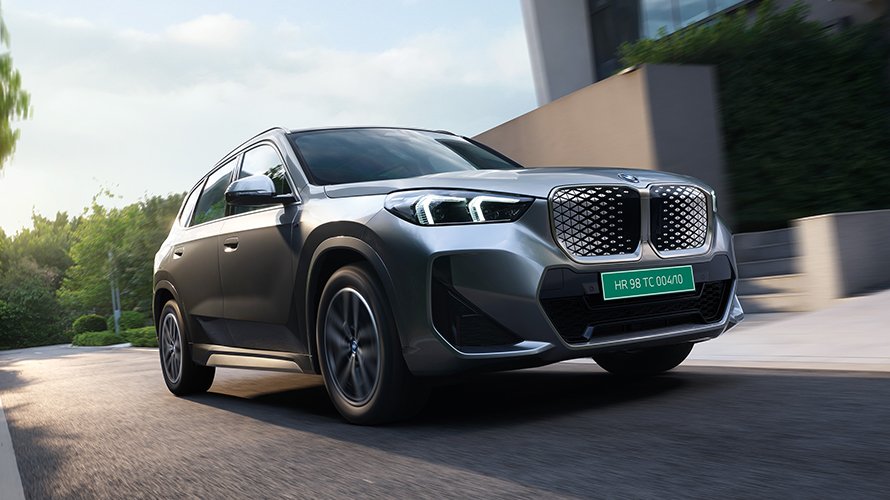
If there’s a poster child for BMW’s EV dominance, it’s the iX1 LWB. This compact SUV, priced starting at around ₹49 lakh (ex-showroom), emerged as the brand’s highest-selling electric model in the January-September period, blending affordability with BMW’s signature sporty flair. With a rear-wheel-drive setup, a 66.5 kWh battery offering up to 440 km of range (WLTP), and rapid charging from 10-80% in under 30 minutes, it’s tailor-made for India’s congested cities and occasional highway jaunts.
What sets the iX1 apart? It’s not just the tech—think adaptive cruise control, a curved display dashboard, and over-the-air updates—but its LWB architecture, which adds rear legroom for chauffeured comfort, a staple in the Indian luxury scene. Buyers love how it delivers 204 hp instantly from standstill, zipping from 0-100 km/h in 8.6 seconds, all while sipping electrons efficiently. No wonder it’s drawing in younger demographics and fleet operators alike, fueling BMW’s growth where pricier rivals falter.
A Stellar Lineup: From Flagships to Fun Hatchbacks
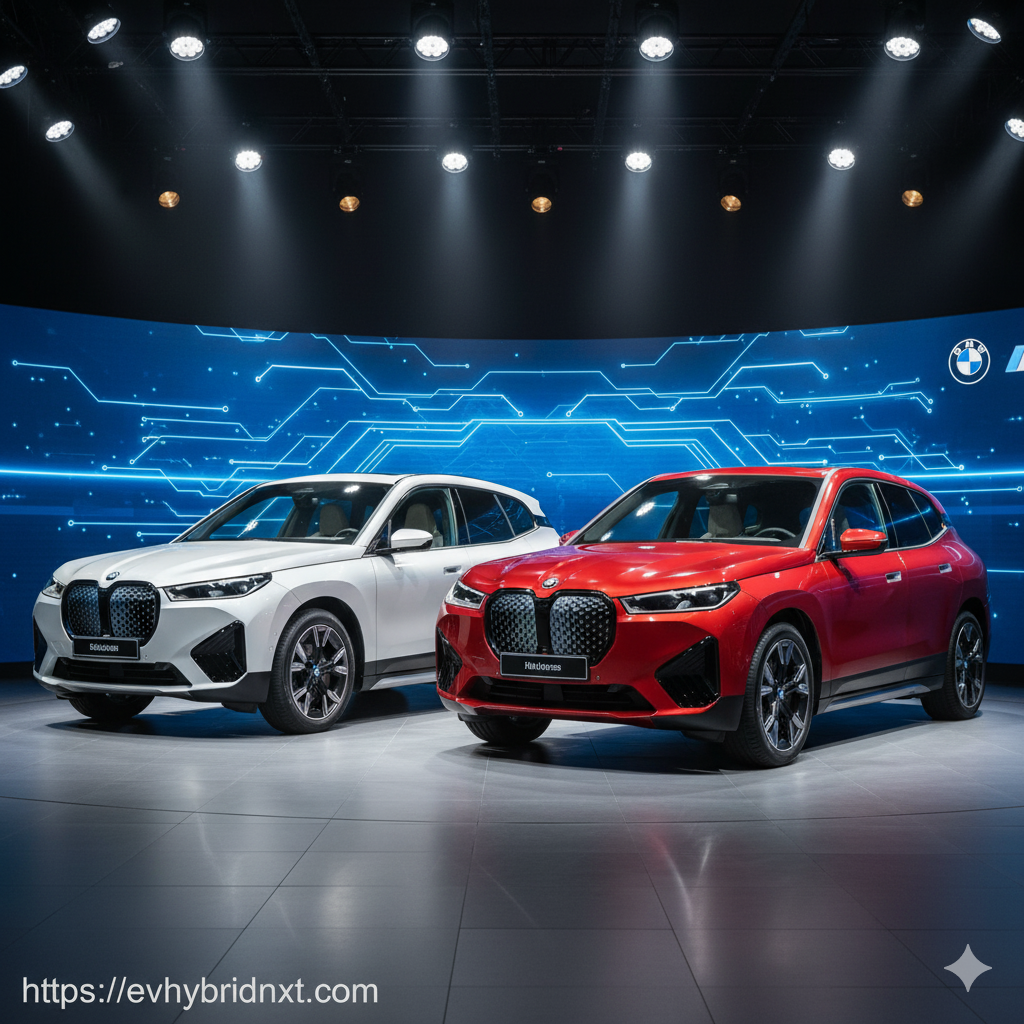
BMW Group India isn’t putting all its eggs in one basket. The brand’s EV portfolio is diverse, catering to everyone from solo commuters to large families. Here’s a quick rundown of the key players:
- BMW iX1 LWB: The volume king, as mentioned, leading with its value-packed proposition.
- BMW i7: The opulent flagship sedan claimed second spot in sales, appealing to those who crave ultimate luxury. With a tri-motor setup pushing 536 hp, a 101.7 kWh battery for 625 km range, and features like massaging seats and a 31-inch theater screen, it’s the pinnacle of EV sophistication—perfect for Bollywood elites and corporate tycoons.
- BMW iX: This bold SUV, with its futuristic design and 619 km range, targets adventure seekers who want space and speed (0-100 in 4.6 seconds).
- BMW i4: A Gran Coupe for style-conscious drivers, offering 590 km range and M Sport variants for that extra thrill.
- BMW i5: The executive sedan’s EV twin, blending efficiency with rear-wheel-drive purity.
- MINI Countryman Electric: MINI’s rugged crossover adds fun to the mix, with playful handling and up to 462 km range, attracting urban millennials.
This breadth ensures BMW covers all bases, from sub-₹50 lakh entry points to seven-figure extravagance, making electrification accessible across segments.
Why BMW is Outpacing the Competition
Mercedes-Benz and Audi have strong EV offerings—the EQS and e-tron, for instance—but BMW’s edge lies in localization. By assembling models like the iX1 at its Chennai plant, BMW slashes import duties and prices, undercutting rivals by 10-15%. Add to that a robust dealer network, BMW’s i Wallbox home chargers, and aggressive digital marketing, and you’ve got a recipe for market leadership.
Moreover, BMW’s focus on long-wheelbase variants resonates deeply in India, where rear-seat passengers often call the shots. The result? A 20%+ EV penetration that’s the envy of the luxury segment, with projections for even steeper climbs as subsidies extend and infrastructure catches up.
The Road Ahead: Sustainability Meets Speed
Looking beyond September, BMW Group India eyes 15-20% overall growth for full-year 2025, with EVs potentially hitting 25% of sales. Upcoming launches like the i5 LWB and Neue Klasse EVs promise to keep the momentum rolling. But challenges remain: Range anxiety in tier-2 cities and supply chain hiccups could temper enthusiasm.
Still, for BMW, the stars are aligning. As India targets 30% EV adoption by 2030, the brand’s blend of heritage, innovation, and Indian-specific tweaks positions it as the undisputed leader.Final Lap: Why BMW EVs Are a Smart BetIn the high-stakes luxury EV race, BMW Group India isn’t just participating—it’s lapping the field, thanks to the unassuming iX1 LWB and a lineup that’s as versatile as it is visionary. If you’re eyeing your first electric luxury ride, start with the iX1; it won’t just move you forward—it’ll redefine what premium mobility means in 2025 and beyond. Head to a showroom, plug in, and feel the charge yourself. The future is electric, and BMW is flooring it.