
India’s push for higher ethanol blends, including the ambitious E20 target, is increasingly looking like a policy detour rather than a genuine step toward clean mobility. While ethanol blending has been promoted as a green solution and a boost for farmers, the numbers and the science tell a different story. Electric vehicles, powered by renewable electricity, offer a far more efficient, scalable and future-proof path.
Consider land use, one of India’s most constrained resources. One hectare of solar panels can generate enough electricity to drive electric vehicles roughly 187 times farther than the same hectare devoted to growing maize for ethanol. The difference is stark. Solar energy conversion is direct and efficient. In contrast, the biofuel pathway is riddled with losses at every stage: photosynthesis in the crop, harvesting, processing into ethanol, blending, combustion in an internal combustion engine, and the inherent inefficiency of that engine itself. By the time useful work reaches the wheels, most of the original energy has been wasted. Solar power feeding a battery-electric vehicle avoids the majority of these losses.
India cannot afford to ignore this inefficiency. The country is land-scarce. Diverting agricultural land or water resources to fuel crops competes directly with food production. In a nation that must feed a large and growing population while protecting ecological balance, the priority should be clear: grow food, not fuel. Using precious land to produce ethanol when the same area under solar can deliver vastly more transport energy is a misallocation of resources.
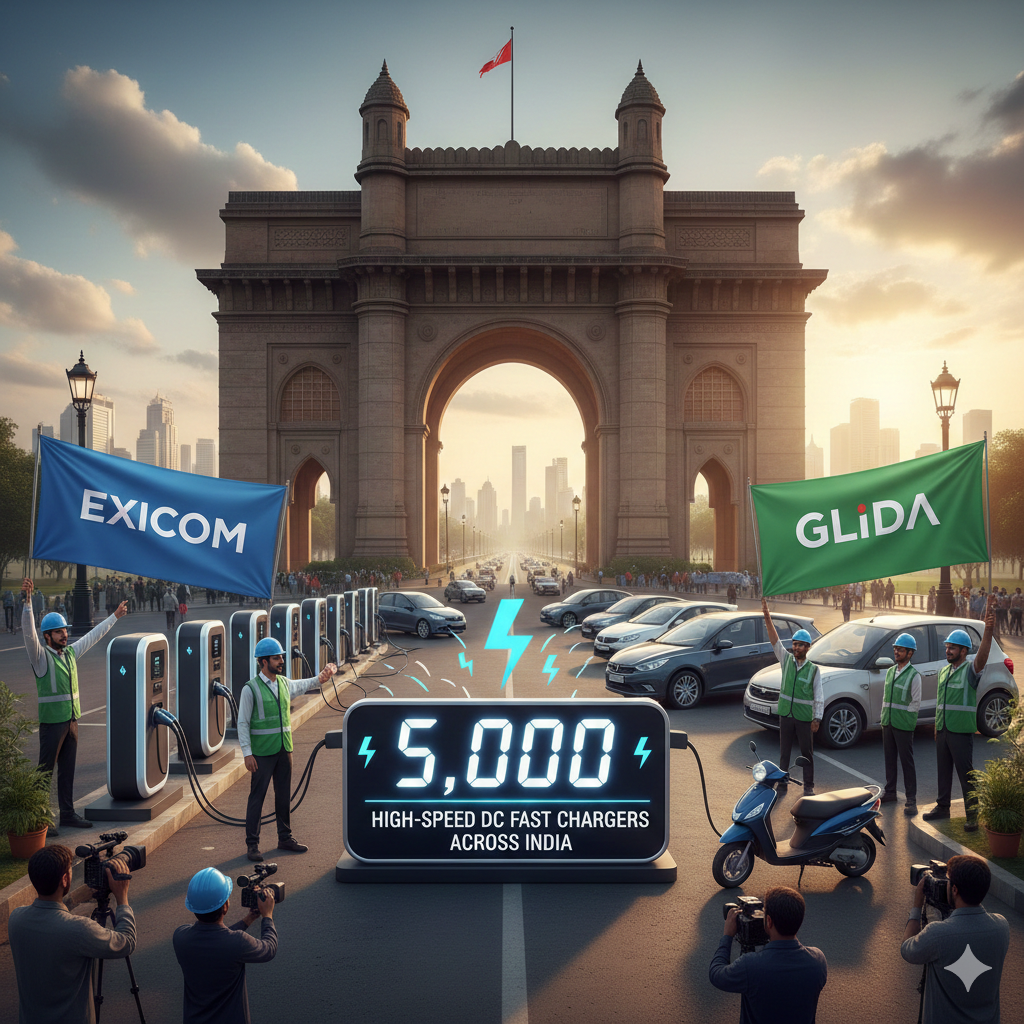
Meanwhile, the economics and infrastructure of electric mobility continue to improve rapidly. Battery costs have been falling steadily for years, making EVs increasingly competitive on total cost of ownership. Charging networks are expanding across cities and highways. These trends are structural, not temporary. Every year that policy remains locked into higher ethanol blends is a year of delayed progress on a technology that is already pulling ahead on efficiency, cost trajectory and environmental impact.
Ethanol blending may have offered a transitional tool in an earlier phase of India’s energy strategy. Today it risks becoming a distraction. Higher blends lock vehicles, fuel infrastructure and agricultural incentives into a less efficient pathway while the superior alternative—electric mobility powered by clean electricity—gains ground globally and within India.
Policy must therefore shift decisively. Support for electric vehicles, charging infrastructure, domestic battery manufacturing and renewable power generation should take precedence over further escalation of ethanol mandates. India needs solutions that maximise energy output per hectare, minimise losses, protect food security and align with falling technology costs. On all these counts, electric vehicles outperform ethanol. The future of Indian mobility is electric, not blended.