India’s electric two-wheeler market is witnessing an intense contest at the top, with TVS Motor Company and Bajaj Auto locked in a close race for leadership. Driven by the strong response to the newly launched Chetak 2501, Bajaj has significantly reduced the gap with TVS in the first half of February.
At the same time, shifting consumer preferences have reshaped the mid-table rankings, with Ampere moving ahead of Ola Electric.
The key driver behind Bajaj’s resurgence is the aggressively priced Chetak 2501. Positioned as a value-for-money offering, the scooter has found strong traction among urban commuters and first-time EV buyers.
In the first 14 days of February, Bajaj recorded robust sales, narrowing the gap with TVS to just 3,167 units. This performance highlights how a well-timed and competitively priced product can quickly alter market dynamics.
The Chetak 2501’s appeal lies in its combination of trusted branding, practical range, and affordable pricing—factors that have helped Bajaj regain lost ground in a highly competitive segment.
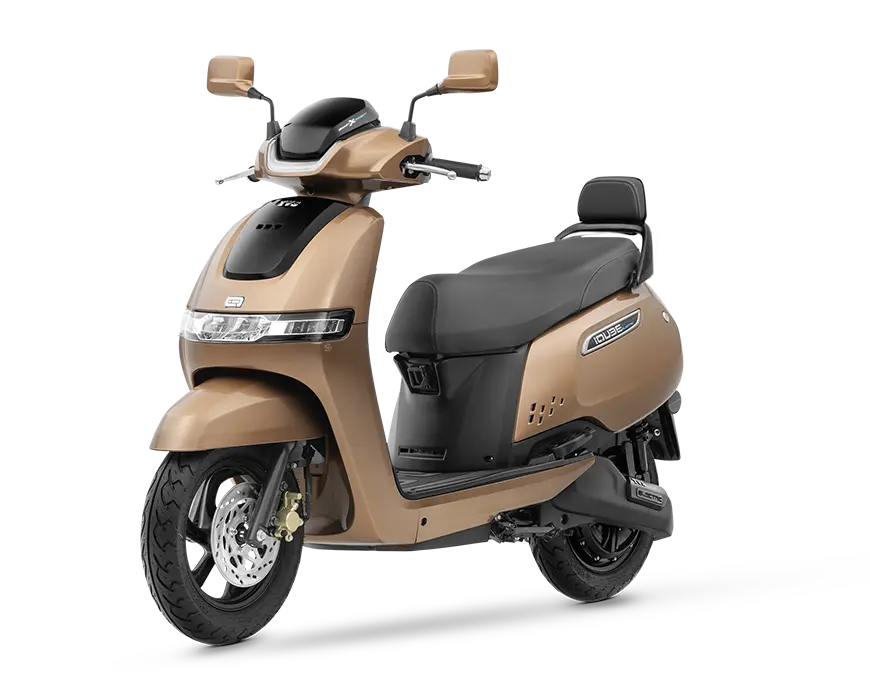
Despite Bajaj’s rapid climb, TVS remains the segment leader, supported by the sustained popularity of the TVS iQube, especially the 2.2kWh variant.
The iQube’s strong brand recall, extensive dealership network, and consistent reliability have helped TVS maintain its edge. However, the shrinking sales gap suggests that the company is now facing its stiffest competition in recent years.
With Bajaj gaining momentum, TVS may need to rely on further product upgrades and pricing strategies to defend its leadership.
Beyond the top two players, the rest of the electric scooter market is also undergoing changes.
- Ather Energy continues to hold its position in the premium segment
- Hero Vida remains steady in the mid-range space
- Greaves Electric Mobility (Ampere) has overtaken Ola Electric
Ampere’s rise reflects growing demand for affordable and dependable models, while Ola’s slip indicates increasing pressure from rivals offering better pricing and service coverage.
The current market scenario underlines a key trend: affordability and reliability are becoming more important than brand hype alone
✔️ Competitive pricing strategies
- ✔️ Wider dealership and service reach
- ✔️ Improved battery reliability
- ✔️ Focus on practical daily commuting needs
Manufacturers that can balance cost, quality, and accessibility are gaining a clear advantage.
With Bajaj closing in rapidly and TVS working to protect its lead, the coming months are expected to be crucial for India’s electric scooter industry. New launches, feature upgrades, and price revisions are likely as brands fight for dominance.
Meanwhile, the reshuffling among mid-tier players shows that the market is maturing, with buyers becoming more discerning and value-focused.
The first half of February has highlighted just how competitive India’s e-2W space has become. Powered by the success of the Chetak 2501, Bajaj is now within striking distance of TVS, while Ampere’s rise past Ola signals changing consumer priorities.
As the segment continues to grow, innovation, pricing, and network strength will remain the decisive factors in determining who leads India’s electric scooter revolution.