The Indian electric two-wheeler market is undergoing a significant transformation in mid-February 2026, with sales trends pointing to a major shift in consumer preference. For the first time in recent memory, Ampere Vehicles has maintained a decisive lead over Ola Electric even after the first half of the month—The Indian electric two-wheeler market is undergoing a dramatic shift in mid-February 2026, with Ampere Electric (under Greaves Electric Mobility) maintaining a decisive sales lead over Ola Electric for the first half of the month. This marks a symbolic turning point in a segment once dominated by Ola, highlighting how reliability, service quality, and brand trust are reshaping buyer preferences amid growing overall EV adoption.
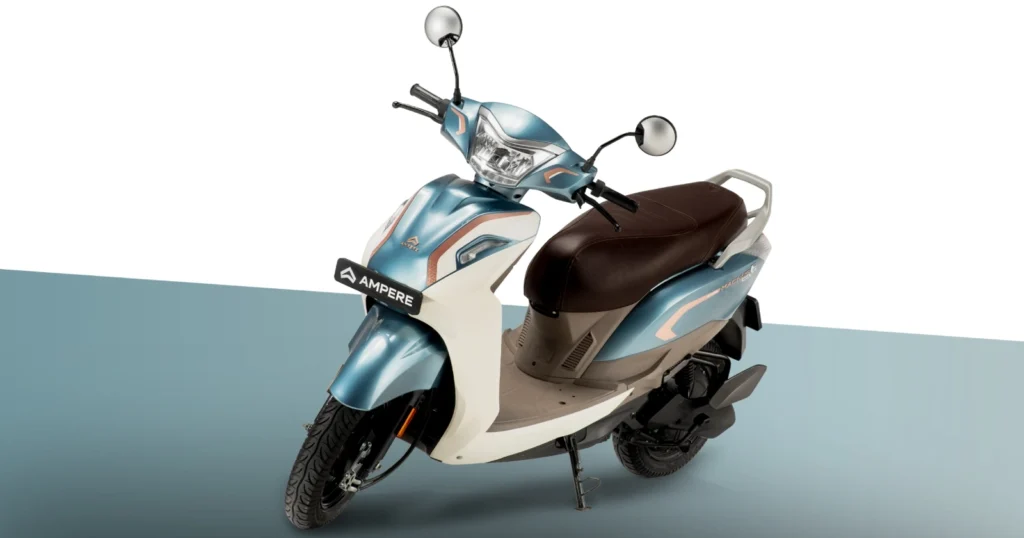
Retail sales data for February 1–14, 2026, shows the industry clocking around 52,007 electric two-wheelers (scooters, motorcycles, and mopeds), with established players leading the charge. While TVS Motor Co holds the top spot with 15,110 units (29% share), followed closely by Bajaj Auto at 11,943 units (23% share), the real story lies lower in the rankings.Greaves Electric Mobility (Ampere) has outsold Ola Electric in this period, registering approximately 2,215 units compared to Ola’s 2,160 units—a narrow but notable lead of about 55 units. This positions Ampere at No. 5 in some retail tallies, with Ola slipping to No. 6. The lead, though slim, is significant given Ola’s historical volumes and underscores Ampere’s steady climb as a value-driven, reliable alternative.This development builds on trends from earlier in 2026:
- In early February Vahan registrations (first few days), Ampere briefly edged past Ola.
- January 2026 full-month data showed Ola at 7,511–7,512 units (sharp decline), while Ampere held steady at 5,335–5,336 units with positive growth.
The mid-month overtake reinforces Ampere’s resurgence, driven by models like the Nexus, Magnus, and Primus series, which emphasize LFP battery durability, practical range, and competitive pricing in the sub-₹1 lakh segment.
Ola Electric, once commanding peaks of 40–50% market share, has seen its fortunes plummet. From dominating with 20,000–30,000+ monthly units in prior years, sales have fallen to four-figure numbers since late 2025. Key factors include:
- Widespread poor customer service: Persistent complaints about service center delays, unresponsive support, prolonged repair times, closed outlets without notice, and backlogs have eroded trust. Regulatory scrutiny from bodies like the CCPA, along with consumer forums and state-level actions (e.g., registration suspensions in some regions), has amplified the damage.
- Brand distrust: High-profile issues—ranging from software glitches and hardware malfunctions to extended service waits—have turned early adopters away. CEO Bhavish Aggarwal has publicly acknowledged service execution gaps as a major sales drag, not product quality per se.
- Market share collapse: From ~24–25% in early 2025 to just 6.13% in January 2026, and hovering around 4–5% in mid-February estimates. This contrasts sharply with legacy players’ service networks built over decades.
The shift favors incumbents with robust ecosystems:
- TVS (iQube, Orbiter) and Bajaj (Chetak series, including the new C2501) lead with strong demand and expansion plans.
- Ather Energy and Hero Vida occupy solid mid-tier positions.
- Together, traditional giants (TVS, Bajaj, Hero) now capture over 60% of the market, up dramatically from earlier years.
Ampere’s rise fills the value gap left by Ola’s decline, appealing to cost-conscious buyers prioritizing after-sales peace of mind over hype.
This mid-February milestone signals that in India’s maturing EV two-wheeler space, sustained reliability and service excellence trump aggressive marketing. Ampere’s lead—however narrow—highlights a buyer shift toward dependable, no-fuss options. For Ola, the road to recovery looks steep without swift, tangible improvements in service infrastructure.As the month progresses, full February figures will clarify if Ampere can hold or widen the gap. One thing is clear: the era of unchallenged startup dominance is giving way to a more balanced, trust-based competition. The Indian electric two-wheeler market is charging forward—but now on more reliable wheels.