Right at the beginning of the new year, three new mass-market electric cars have already been launched in India: the Mahindra XUV 3XO EV, Maruti Suzuki e Vitara, and the updated Tata Punch EV. These launches have injected fresh momentum into the country’s rapidly growing EV ecosystem, offering buyers a mix of compact SUVs, family-oriented options, and accessible entry-level electric mobility.
Soon, three more affordable EVs are likely to hit the market, expected to be priced in the Rs 15–20 lakh (ex-showroom) range in their base trims. These upcoming models promise to further democratize electric vehicles by targeting middle-class families, urban commuters, and those seeking practical seven-seater options without stepping into premium territory.
The Mahindra XUV 3XO EV, launched in early 2026 at around Rs 13.89 lakh, brings a familiar compact SUV silhouette with EV-specific updates, competitive range, and modern features like Level 2 ADAS in higher variants. It effectively replaces or updates the older XUV400 positioning while appealing to buyers looking for something between the Tata Punch EV and Nexon EV.
Maruti Suzuki’s e Vitara, the company’s first dedicated electric SUV, has generated significant buzz with its rugged design, strong safety ratings (including 5-star Bharat NCAP in testing), and battery options promising up to 543 km range on the larger pack. Priced accessibly for a mid-size electric SUV, it marks Maruti’s serious entry into the EV space alongside its hybrid offerings.
The refreshed Tata Punch EV continues Tata Motors’ strong run in the micro-SUV EV segment, offering improved design, features, and efficiency for city buyers who want the Punch’s popular stance in an all-electric form.
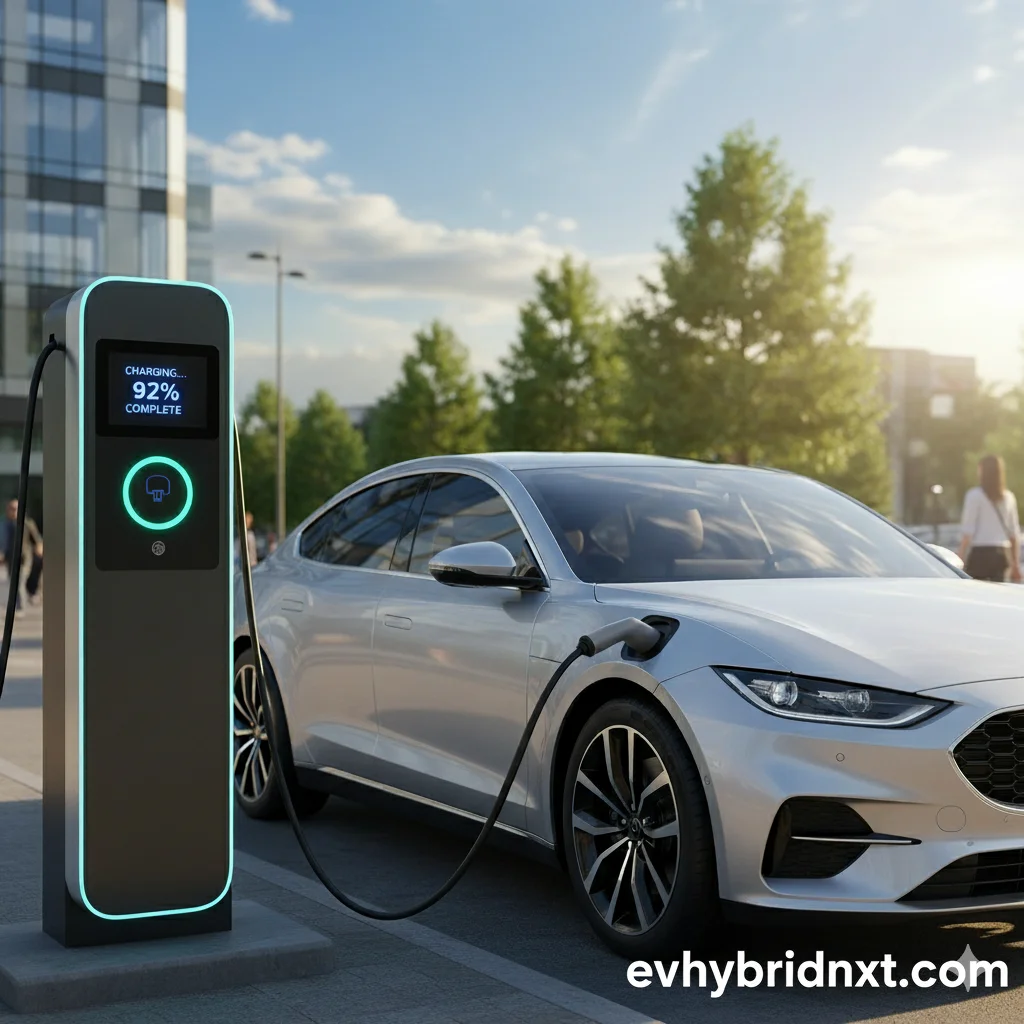
Together, these three models have expanded choices in the sub-Rs 20 lakh EV bracket, focusing on everyday usability, home charging compatibility, and growing public charging infrastructure.
Industry sources and manufacturer hints point to at least three new electric models expected in the April–June 2026 window. These are likely to emphasize affordability, family practicality, and real-world range suitable for Indian conditions. One of them is expected to be a seven-seater model, addressing the huge demand for spacious EVs among joint families and those needing occasional third-row seating.
- Toyota Urban Cruiser EBELLA (or eB ella)
Expected as a rebadged or closely related variant to the Maruti e Vitara, this model is anticipated around April 2026. It will share powertrain and platform elements but could feature unique styling cues (such as a distinctive headlight signature) and interior trims to differentiate it in Toyota’s lineup. With pricing expected to start in the Rs 16–20 lakh range, it will target buyers who prefer the Toyota badge for perceived reliability and resale value. Battery options and range figures should mirror the e Vitara closely, making it a strong contender in the family electric SUV space. - Tata Sierra EV
Tata Motors is preparing to bring back the iconic Sierra nameplate in electric form, with a potential launch by March–June 2026. Positioned as a retro-modern compact-to-mid-size electric SUV, it is rumoured to offer battery packs in the 55–65 kWh range (shared with other Tata EVs like the Curvv and Harrier), supporting both rear-wheel and all-wheel-drive configurations. Base pricing is expected to hover around Rs 15–18 lakh, positioning it as an affordable yet feature-rich option with good highway range and Tata’s proven EV ecosystem (including fast-charging support). It could appeal to enthusiasts who want a blend of nostalgia and forward-looking electric performance. - VinFast Limo Green (or similar 7-seater MPV/SUV crossover)
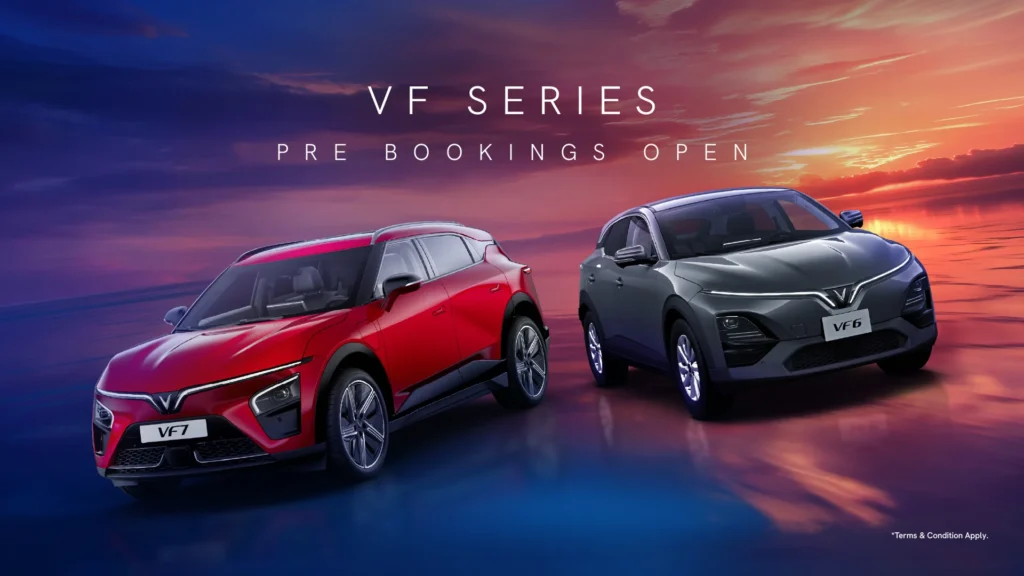
The Vietnamese manufacturer VinFast has confirmed plans for multiple EV launches in India in 2026, starting with a premium yet practical seven-seater electric MPV designed for both family and light commercial use. Expected in the April–May timeframe, this model (often referred to as Limo Green in reports) is likely to feature a ~60 kWh battery delivering around 450 km claimed range and a 201 hp motor. Pricing in the base trim is projected in the Rs 19–24 lakh bracket, but entry variants could dip closer to Rs 20 lakh with incentives or BaaS (Battery-as-a-Service) options. Its 5+2 or flexible seven-seat layout would make it one of the more accessible mass-market seven-seaters in the EV space, filling a gap for larger families seeking zero-emission travel.
These upcoming EVs align with the Indian government’s push for electric mobility through FAME incentives, state-level subsidies, and expanding charging networks. With base prices targeted at Rs 15–20 lakh, they aim to bridge the gap between entry-level models (like the Tata Punch EV and MG Comet) and higher-end offerings (such as the Hyundai Creta Electric or Mahindra BE 6).Key expected highlights across the trio include:
- Practical range — 300–500+ km depending on battery and usage.
- Fast-charging support — Making long trips more feasible.
- Family-friendly features — Including the seven-seater option with flexible seating, good boot space, and modern infotainment.
- Safety and tech — ADAS, multiple airbags, and robust structural ratings.
For buyers, this wave of launches means more competition, which should help drive down effective ownership costs through better pricing, service networks, and resale confidence.
Challenges and OutlookWhile excitement is high, challenges remain around charging infrastructure in smaller cities, battery replacement costs, and monsoon-season real-world range. Manufacturers are addressing these with localized production, robust warranties, and home-charging solutions.
Overall, the next 2–3 months could prove pivotal for India’s EV adoption story. With the Mahindra XUV 3XO EV, Maruti e Vitara, and Tata Punch EV already on roads, the addition of these three new models—including a much-needed affordable seven-seater—will give Indian consumers genuine choices in the mass-market electric segment.