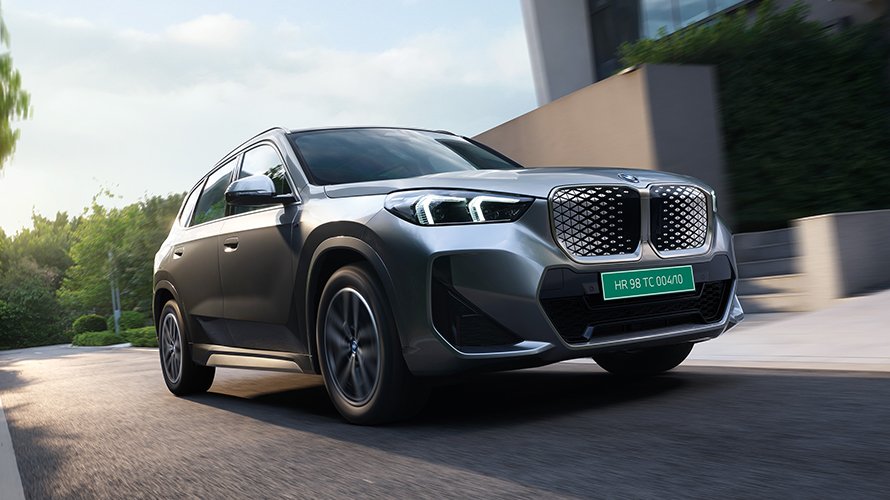

The much-awaited Tata Sierra.EV is set to make its official debut on June 30, 2026, and excitement is already building around its capabilities as a capable long-distance electric SUV. With confirmation of dual battery options — 65kWh for the base variant and 75kWh for higher trims, including the AWD/QWD models — it positions itself strongly against rivals like the Mahindra BE 6, Hyundai Creta Electric, and Maruti e Vitara
A recent drive video from Mumbai to Goa has provided valuable insights, with State of Charge (SOC) data confirming the top model’s 75kWh battery pack. This real-world test highlights what owners can expect on one of India’s popular highway routes.
The Route: Mumbai to Goa (~600-650 km via NH 66)
The Mumbai-Goa highway combines expressway stretches, ghats, coastal roads, and varying traffic. It’s a perfect benchmark for EVs: mix of high-speed cruising, elevation changes, and AC-heavy driving in humid conditions. Chargers are available along the way (Tata Power, ChargeZone, etc.), but planning remains key.
Battery & Powertrain Confirmation
- Top Model: 75kWh battery pack (as verified via SOC telemetry in the drive video).
- Base Variant: 65kWh pack.
- The 75kWh AWD (QWD) variant is expected to deliver a claimed MIDC range of up to ~622km (similar to the Harrier EV’s figures), with combined output around 313 bhp and 504 Nm from dual motors.
In the video, SOC data aligned precisely with expectations for a ~75kWh usable pack, dispelling any speculation and confirming Tata’s larger battery for premium trims.
Real-World Performance Expectations
While official tests are pending post-launch, data from similar Tata EVs (like the Harrier EV AWD with the same 75kWh pack) suggests:
- Highway Efficiency: Around 5.3-6 km/kWh at 80-100 km/h with AC on (real-world range ~400-450 km under mixed conditions). autocarindia.com
- Mumbai-Goa Leg: Likely 1-2 fast charging stops for a comfortable journey, depending on driving style, load, and weather. The video demonstrated feasible one-charge segments on flatter sections.
- Regen & Modes: Strong regenerative braking helps recover energy on descents through the Western Ghats. Eco/Normal modes optimize range, while Sport (with boost) adds fun on overtakes.
Drivers in the video noted confident highway manners, good stability, and the boxy yet modern design offering excellent road presence and visibility.
Key Highlights from the Drive
- Comfort: Spacious cabin, supportive seats, and a premium feel suitable for long hauls with family or luggage.
- Charging: DC fast charging (up to 7.2kW AC onboard option) allows decent top-ups. Expect 10-80% in 20-30 minutes on good 150kW+ chargers.
- Range Anxiety Management: With ~400+ km real-world range on the 75kWh model, Mumbai to Goa becomes relaxed rather than stressful. The 65kWh variant should still manage it with one extra stop.
- Pros: Punchy acceleration, quiet cabin, feature-loaded interior (expected triple screens, ADAS, etc.), and rugged SUV stance for occasional bad roads.
- Considerations: Higher speeds and full AC in coastal humidity will impact range. Pre-trip planning via apps is recommended.
Who Should Buy the Sierra.EV?
- 75kWh Top Model: Ideal for highway cruisers and those wanting maximum range + AWD capability for monsoon ghats or light off-road.
- 65kWh Base: Great value for city-highway mix with still-competitive range (~380-420 km real-world estimate).
Priced competitively (expected ~₹20-28 lakh ex-showroom range), the Sierra.EV revives a legendary name with modern electric credentials. The Mumbai-Goa drive video serves as strong proof-of-concept for inter-city EV travel in India.
Verdict: The Tata Sierra.EV, especially the 75kWh flagship, looks ready to conquer routes like Mumbai to Goa with ease. It combines nostalgia, practicality, and strong real-world performance. With launch just around the corner, this could be one of the most compelling family EVs in its segment.