The luxury electric vehicle (EV) segment in India witnessed significant shifts in FY2026 (April 2025–March 2026), with BMW India solidifying its leadership by a wide margin. The German automaker recorded 3,537 electric car and SUV sales, marking a steep 124% year-on-year (YoY) increase from 1,580 units sold in the previous fiscal year. This strong performance helped BMW widen its gap over rival Mercedes-Benz in the luxury EV space
BMW’s EV volumes surged dramatically, capturing approximately 65.45% of the luxury EV market in FY2026 — up sharply from around 47% in FY2025. In contrast, Mercedes-Benz India saw its EV sales decline by about 10% to 1,047 units (from 1,157 units the previous year), reducing its market share to roughly 19.35%. This meant BMW sold more than three times as many luxury EVs as its Stuttgart-based competitor.
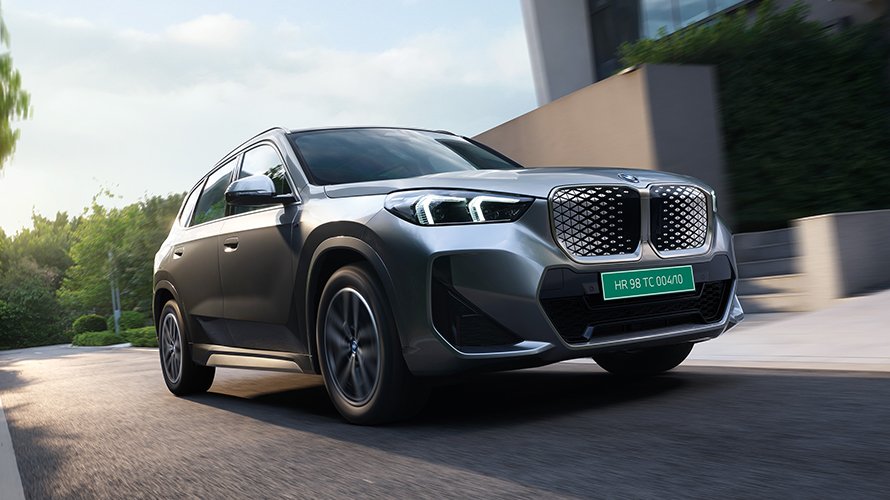
A major contributor to BMW’s success was the BMW iX1 Long Wheelbase (LWB), which accounted for around 3,200 units — the lion’s share of the brand’s total EV sales. The model’s combination of competitive pricing, enhanced rear-seat space tailored for Indian buyers, and a well-equipped feature list resonated strongly in the entry-luxury EV segment.
The overall luxury EV market (cars and SUVs) grew by 61% YoY to a record 5,404 units in FY2026, up from 3,357 units in FY2025. BMW’s outsized contribution played a pivotal role in this expansion, while other players like Volvo saw modest declines
While BMW dominated the electric side, Mercedes-Benz retained its position as the overall luxury car sales leader for the full FY2026, with higher total volumes (ICE + EV) compared to BMW. However, BMW showed strong momentum in the latter part of the year. In Q4 FY2026 (January–March 2026), BMW edged past Mercedes-Benz in total luxury vehicle sales for the first time in over a decade, selling 4,944 units against Mercedes’ 4,862 units. EVs contributed significantly to this quarterly performance, with BMW moving 1,047 electric units in Q4 alone — more than four times Mercedes’ 241 units.
autocarindia.comBMW Group India’s total sales (including ICE models) stood at approximately 17,301 units for the fiscal, reflecting a 14% YoY growth. EVs formed a growing portion of its mix, aligning with the brand’s push toward sustainable mobility.
Analysts attribute BMW’s EV surge to:
- A more balanced and accessible EV portfolio, led by the locally relevant iX1 LWB.
- Competitive pricing in the entry-luxury EV space.
- Increasing customer acceptance of electric powertrains among premium buyers in India.
On the other hand, Mercedes-Benz’s EV sales were skewed toward higher-priced models like the EQS SUV, which limited broader volume growth.
With BMW planning further expansion of its EV lineup and Mercedes-Benz gearing up for new launches (including the upcoming CLA Electric), the luxury EV battle is expected to intensify. The segment’s robust 61% growth in FY2026 signals rising demand for premium zero-emission vehicles, driven by improving infrastructure, policy support, and greater environmental awareness among affluent buyers.
BMW’s commanding performance in FY2026 not only cements its position as India’s leading luxury EV brand but also highlights the rapid electrification of the country’s premium automotive market.