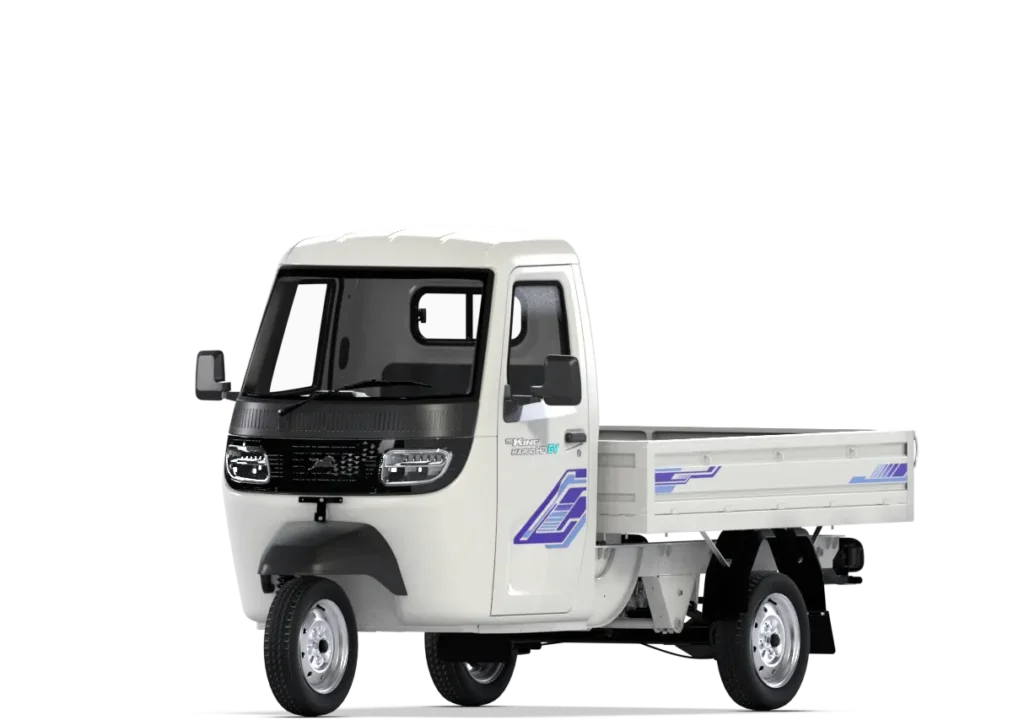
India’s electric three-wheeler segment achieved a historic milestone in calendar year 2025, recording its highest-ever sales of 7,97,729 units. Strong demand from last-mile delivery operators, small businesses, and urban commuters helped the segment register robust growth, led by major players such as Mahindra Last Mile Mobility and Bajaj Auto.
Market Leaders Drive Growth
Mahindra Last Mile Mobility (LMM) emerged as the segment leader in CY2025, supported by its popular Treo and Zor Grand electric three-wheelers. The company continued to strengthen its presence across commercial and passenger mobility segments by expanding its dealership network and after-sales support.
Bajaj Auto also posted impressive numbers, riding on the success of its RE E-Tec electric auto-rickshaw. Backed by its strong brand image, reliable engineering, and widespread service network, Bajaj gained significant traction among fleet operators and individual buyers alike.
Other manufacturers, including Piaggio, YC Electric, Saera Electric, and a host of regional players, also contributed to the segment’s overall expansion, making the electric three-wheeler space one of the fastest-growing segments in India’s EV market.
Demand Boosted by Policy Support
Government incentives under the FAME-II scheme and various state-level subsidies played a crucial role in driving adoption in 2025. In particular, subsidies for L5-category electric three-wheelers made these vehicles more affordable, encouraging many operators to switch from conventional CNG and petrol models to electric alternatives.
Lower running costs, reduced maintenance expenses, and rising fuel prices further strengthened the value proposition of electric three-wheelers, especially for last-mile connectivity and urban freight applications.
Subsidy Withdrawal May Impact Growth
However, the segment may face headwinds in calendar year 2026, as subsidies for L5-category electric three-wheelers are scheduled to end. With the withdrawal of financial incentives, vehicle prices are expected to rise, potentially affecting purchase decisions among cost-sensitive buyers.
Industry experts believe that the end of the L5 subsidy could slow down demand growth, particularly in Tier-2 and Tier-3 cities, where affordability remains a key factor. Fleet operators and self-employed drivers may postpone purchases or opt for cheaper alternatives in the absence of government support.
Industry Response and Future Outlook
To counter the impact of subsidy cuts, manufacturers are likely to focus on improving localisation, optimising production costs, and introducing more affordable models. Several OEMs are also expected to offer innovative financing schemes, battery leasing options, and subscription-based ownership models to keep monthly ownership costs under control.
At the same time, improvements in battery technology, charging infrastructure, and vehicle reliability are expected to sustain long-term demand. Growing emphasis on clean mobility, tightening emission norms, and expanding e-commerce and logistics sectors will continue to support the electric three-wheeler market in the years ahead.
Conclusion
With record sales of nearly 8 lakh units in CY2025, India’s electric three-wheeler segment has firmly established itself as a key pillar of the country’s EV transition. While the impending withdrawal of L5 subsidies in 2026 may temper short-term growth, the sector’s strong fundamentals and evolving business models are likely to ensure steady progress in the long run.